Exploring the Walls of Constantinople with Kids: A Day of Stones and Stories
When you travel with kids, finding a spot that mixes history with enough wiggle room to keep the little ones entertained can be a challenge. Our recent trip to Istanbul’s Theodosian Walls — those long defensive walls that once protected Constantinople — surprised us in good ways and threw a few curveballs too. Walking along these ancient fortifications gave us a dose of fresh air, stories to tell, and a little exercise to use up some of the kids’ boundless energy.
With kids in tow: stroller or no stroller?
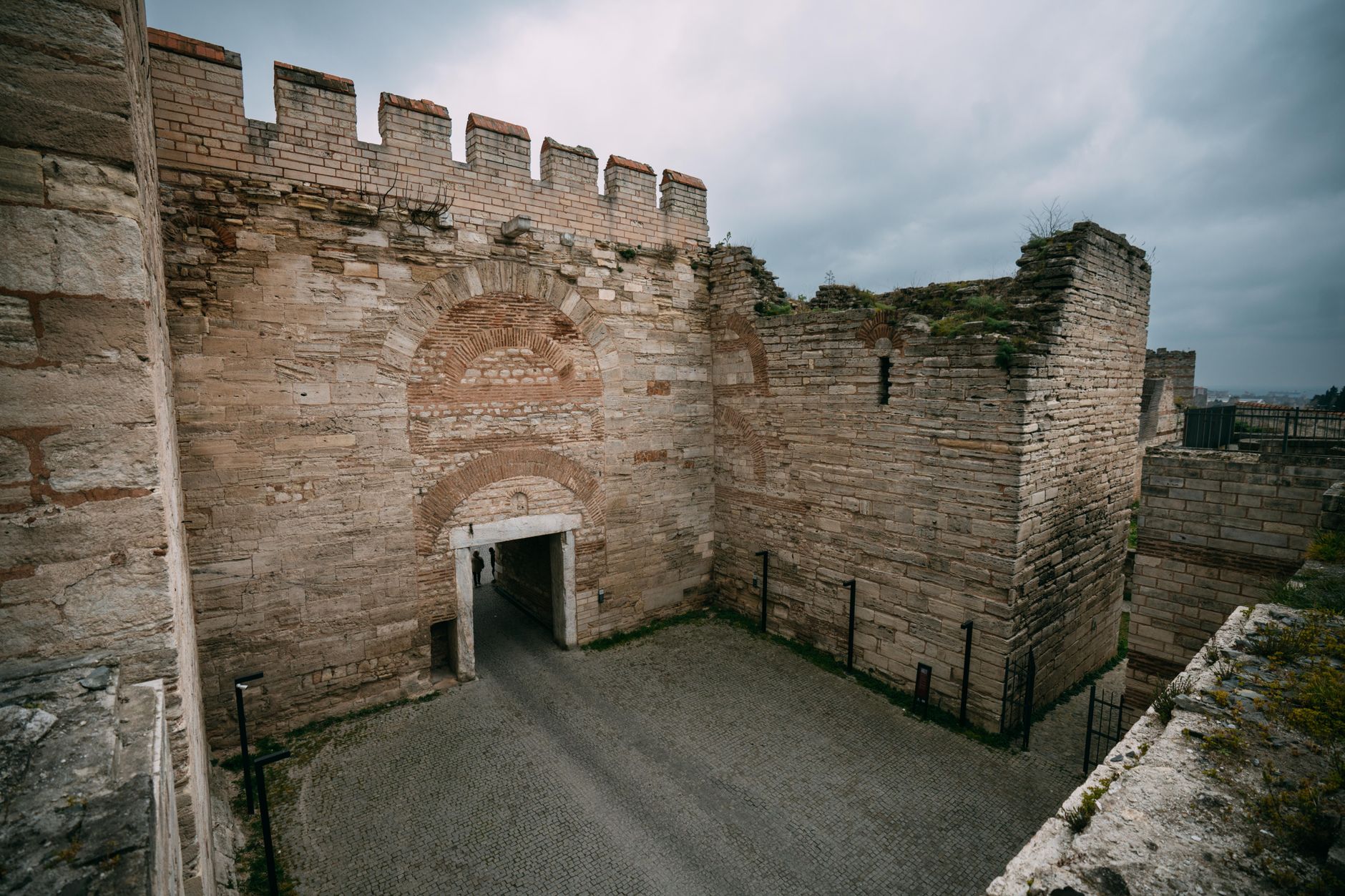
First practical note: if you bring a stroller, expect to do some lifting and carrying. The best-accessible stretch for strollers isn’t very extensive. The walls are mostly outdoors and involve steps or rough patches in many areas — the big ramps near the Yedikule Fortress section are the most stroller-friendly part. The entry there is free, and it’s where the walls feel the most complete and easier to walk side-by-side. We parked our stroller near the ramp and swapped to carrying for a short bit, which our kids took as a fun challenge (especially the 5-year-old, who tried to help carry Dad's backpack!).
Bathrooms are limited along the walls themselves, but close by Yedikule Park, there are public restrooms that were actually clean and well-stocked — a victory worth mentioning when you have small kids. Always bring hand sanitizer because soap dispensers can be sporadic.
The snack strategy: plan your munchies
We discovered the absence of snack stands onsite. So, before setting off, pack a backpack with easy grab-and-go treats. Our kids favored dried apricots and small boxes of juice that didn’t require straws (to avoid mess). There’s a small café near the Yedikule Fortress entrance, but it’s more of a quick pit stop with simple sandwiches and water — nothing fancy but enough to recharge.
Tip: Stop for a longer break at the small picnic area near the ramp entrance. There’s space for kids to run about and let off steam, which made it easier for everyone to focus for the next stretch of wall walking.

Reading the walls through your kid’s eyes
The towering stone battlements might seem like a drag to some kids, but ours loved spotting the arrow slits and imagining archers firing from them. It became a game to count every tower or peek into the tiny rooms behind some of the walls. Bonus: The thick stones hold just enough warmth on sunny days to make a nice spot for a quick rest or story time.
For the slightly older kids (7+), having a little background helps. We prepared a simple tale about how the walls once kept a city safe from invaders. This small framework made the experience less of a ‘walk with no end’ and more like a treasure hunt — looking for signs of battles or places where the walls were patched up. Just don’t expect any signs or official guides onsite, so you’ll want to do a quick Google dive ahead of time for some one-liners.
When to go, and crowd survival tips
Avoid weekends and midday when the walls can attract local visitors, especially families on picnics bringing all their gear. We aimed for a weekday morning and found the atmosphere calm, which made it easier to keep the kids moving along instead of chasing pigeons all day. Entry is free, so no crowds blocking your way, but keep an eye on hot days — there’s not much shade along the walls, so hats and sunscreen are a must.
The afternoon plan: rest and reflect
After roughly two hours of walking and skipping stones along the wall base, our family regrouped at a nearby spot called Yedikule Gardens. There’s a playground that was a hit, letting the kids burn off some last energy before the journey back into the city’s hustle. This downtime helped prevent the dreaded cranky meltdown near dinner time.
Overall, the walls offer a break from Istanbul’s usual packed streets and give a tangible connection to the city’s long past without needing a museum ticket. It’s a nice reminder that history can sometimes just mean a good walk with some big stones and a little imagination.