Tracing Time Along Valens Aqueduct: Quiet Moments in Istanbul
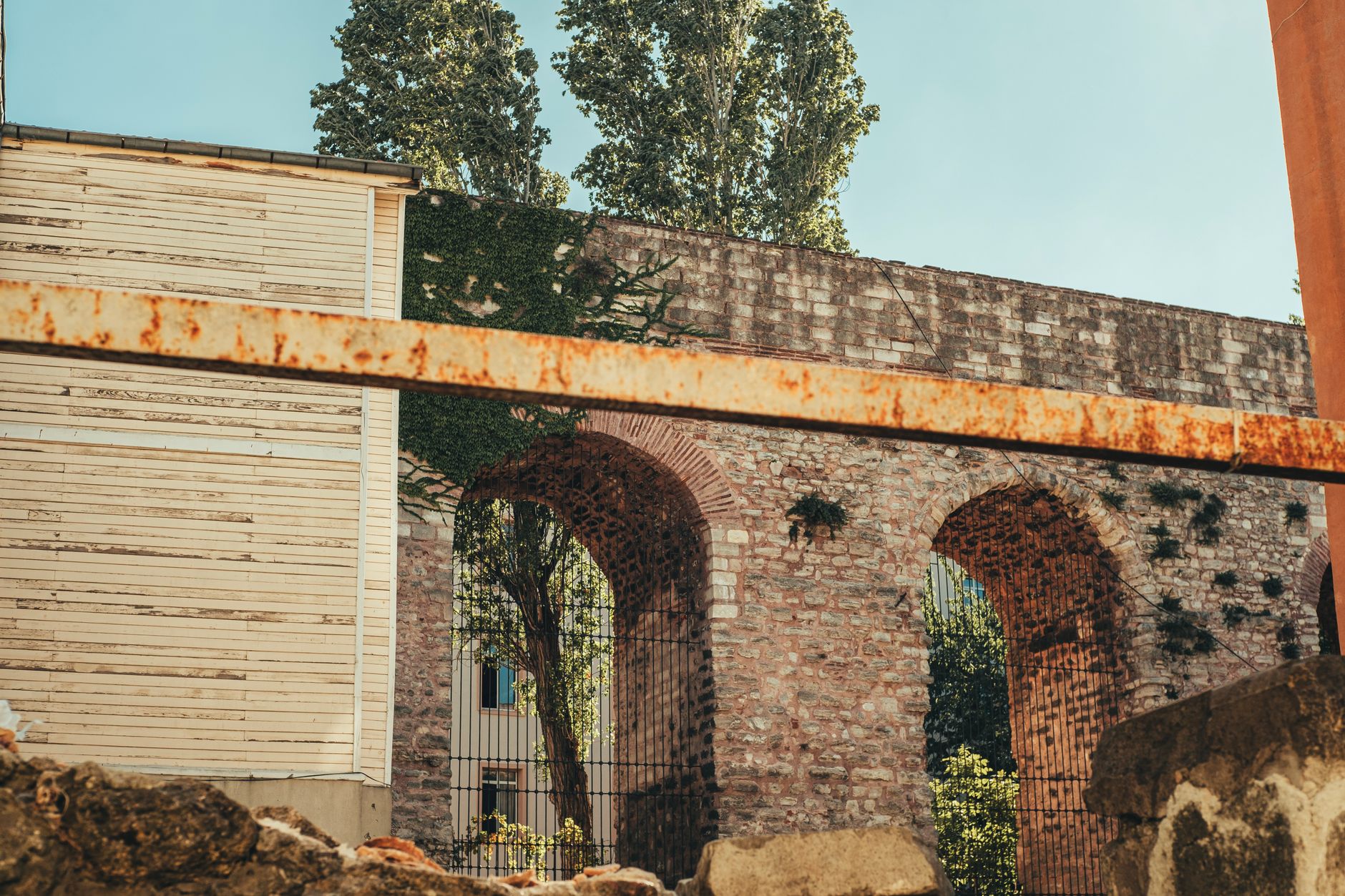
There is a subtle pulse to the Valens Aqueduct that cannot be heard from afar but reveals itself to anyone lingering nearby, letting the passing hours teach their quiet lessons. Early morning light softens the limestone and bricks, casting long shadows that trace the aqueduct's arches like slow waves moving through time. Here, along the ancient line of water and stone, the usual rhythm of Istanbul seems to slow down, inviting a patient gaze.
A slower morning beside the waterway
Starting near Atatürk Boulevard, the aqueduct stretches out across a landscape where city life hums at its usual pace, but somehow the structure holds its own serene space. Walking along the adjacent streets, I noticed a group of elderly men gathered beneath one of the arches, sharing tea and quiet conversation, their laughter mingling with the occasional ring of a bicycle bell from a passing courier. The stones, worn and weathered, seem to absorb these moments, giving them a steadfast character that contrasts with the fleeting bustle around.
Pausing here, watching small birds dart in and out between the cracks, the aqueduct felt like a living museum, but one that didn’t demand reverence through silence. Instead, it encouraged a gentle curiosity, a readiness to listen and observe. One can imagine the water once flowing overhead, channeling life across the city, while merchants, laborers, and children crossed beneath. It makes the everyday feel elevated, every footstep a part of a much longer story.

Questions whispered in the afternoon light
By afternoon, the sun shifts, and the aqueduct takes on a different personality — less monumental, more stoic. I found myself lingering near Şehzadebaşı, where the aqueduct cuts across a busy intersection. The clash of modern traffic and the ancient stone invites reflection on the unfolding layers of Istanbul’s fabric. A young woman at a nearby café was sketching the arches, her pencil strokes deliberate yet tentative, like she was learning to speak this old structure’s language.
On the street, vendors adjusted tarps and children played near the shade cast by massive pillars. Passersby, whether threading between cars or stopping for simit, seemed unconsciously attuned to the aqueduct’s silent, patient endurance. Its presence doesn’t shout; it patiently bears witness to millions of daily passages, a quiet constant against the city's relentless motion.

Evening shadows and human moments
With the sun dipping low, the aqueduct’s arches gain a softness, touched by golden hues that dissolve into twilight. One evening, I noticed a couple resting on a low stone bench beneath an arch, sharing a simple meal. The man pointed up at the stones, recounting what he knew of its past, while the woman listened with a half-smile, distracted by the late-blooming jasmine scent carried on a gentle breeze. Nearby, a stray cat curled up as if claiming the place for itself, adding a touch of casual ownership to this ancient monument.
Such intimate moments, overshadowed by grander histories and architectural marvels, somehow felt more revealing. They remind one that the Valens Aqueduct isn’t simply a relic; it is a slow-moving participant in countless small human stories unfolding continuously, defying the demands of time through sheer presence.
What stays with you after the walk
Walking away along the aqueduct’s direction, past cafés and bookstores, the image lingers—a long, sinuous line of arches bridging different worlds and centuries. It was the way the stones changed color in shifting light, the way local voices rose and softened beneath the arches, and the way this immense structure seemed neither cold nor distant but gently human in its half-shadowed quiet. If you come here, do it without a schedule. Sit. Watch a child’s curiosity peek toward the lofty curve. Listen to laughter reverberate and fade. Notice how the aqueduct patiently invites you to see it anew with each visit, not as a landmark but as a companion in the city’s unfolding story.