Exploring the Rahmi Koc Museum: Istanbul’s Industrial Wonderland
On a crisp spring morning a few years back, I found myself guiding a small, eager group through the winding streets of the Haskoy neighborhood in Istanbul. As we approached a sprawling complex along the northern shore of the Golden Horn, I could see their eyes light up with curiosity. This wasn't your usual museum visit; we were stepping into the Rahmi Koc Museum, a place where metal, machinery, and history converge in unusual harmony. The building itself, an old shipyard from the Ottoman era, carries the scars and stories of Istanbul's industrial past, yet inside, it bursts with eclectic displays that even the most jaded visitors find surprising.
Walking Through Time: The Museum's Physical Story
The Rahmi Koc Museum occupies what was originally a 19th-century shipyard complex. I always love pointing out to groups how many of the rusted iron beams and wooden flooring bear the marks of time and toil — creaking slightly underfoot and whispering echoes of the workers who once toiled here. The museum’s founder, Rahmi M. Koc, an industrialist himself, has meticulously curated a collection that ranges from vintage cars and trains to intricate scientific instruments.
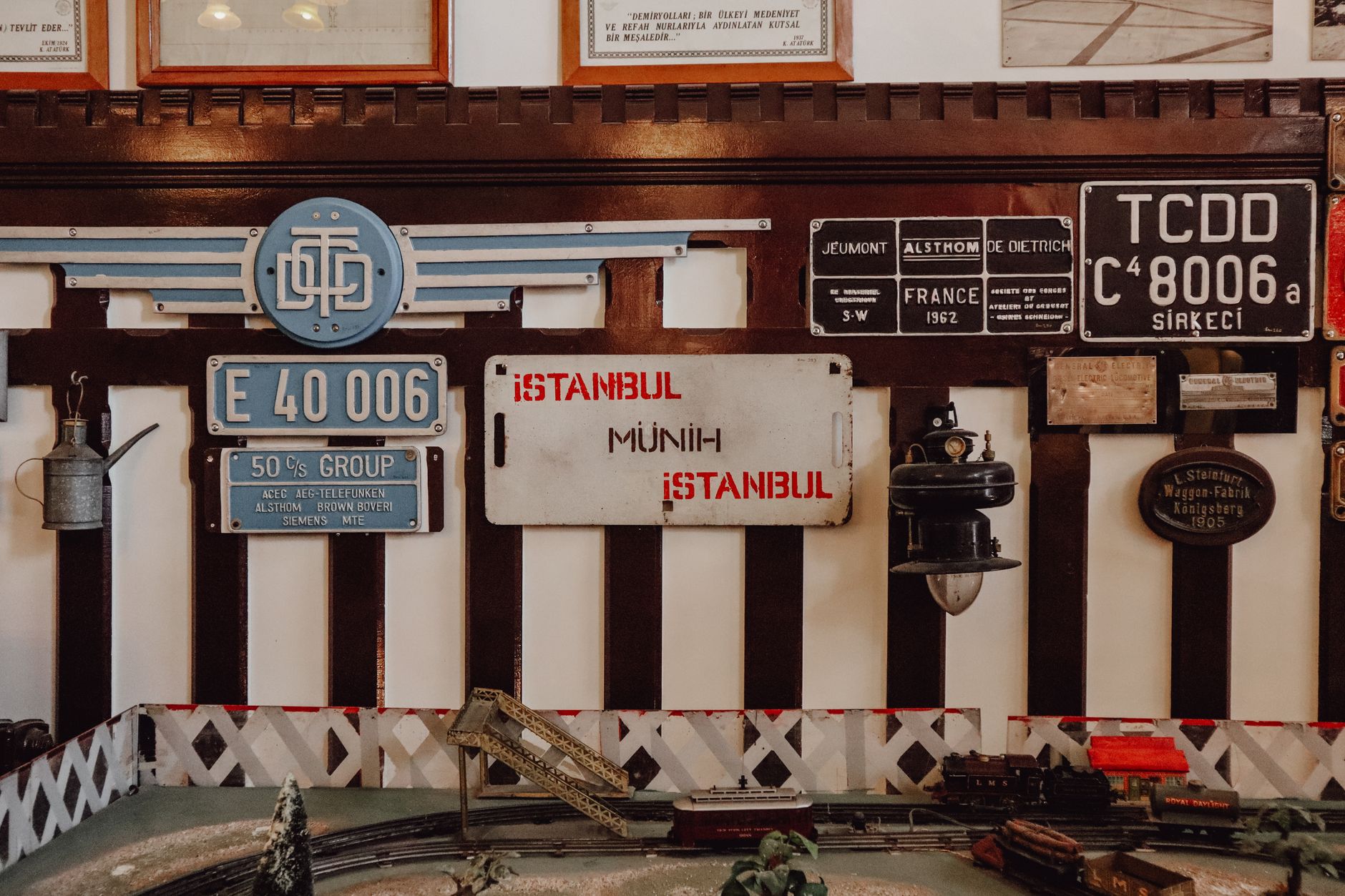
What struck me most on my early visits was the museum's layout that encourages an almost tactile interaction with exhibits. You can actually clamber aboard a historic submarine docked in the harbor, or sit in the cockpit of a 1930s airplane hanging from the rafters. It’s not polished or precious like many shiny new museums; it’s rough around the edges, and that rawness feels authentic. For instance, the beautifully restored Fenerbahce Tram, running through part of the outdoor section, always makes for a lively ride, usually accompanied by stories of Istanbul’s noisy, chaotic streets in the early 20th century.
Unusual Finds and Stories That Don’t Make the Guidebooks
One of my favorite anecdotes to share involves the museum’s collection of antique surgical instruments. Hidden away in what looks like a modest cabinet, these gleaming tools remind you that technology and medicine have long been intertwined. Another area I find gets overlooked is the extensive model ship collection — tiny vessels painstakingly constructed, each with a story about Ottoman maritime adventures or early industrial shipping routes. Visitors often rush past the much flashier engines and vehicles, but I like to linger here, imagining the craftsmen who built these models without the modern tools we have now.
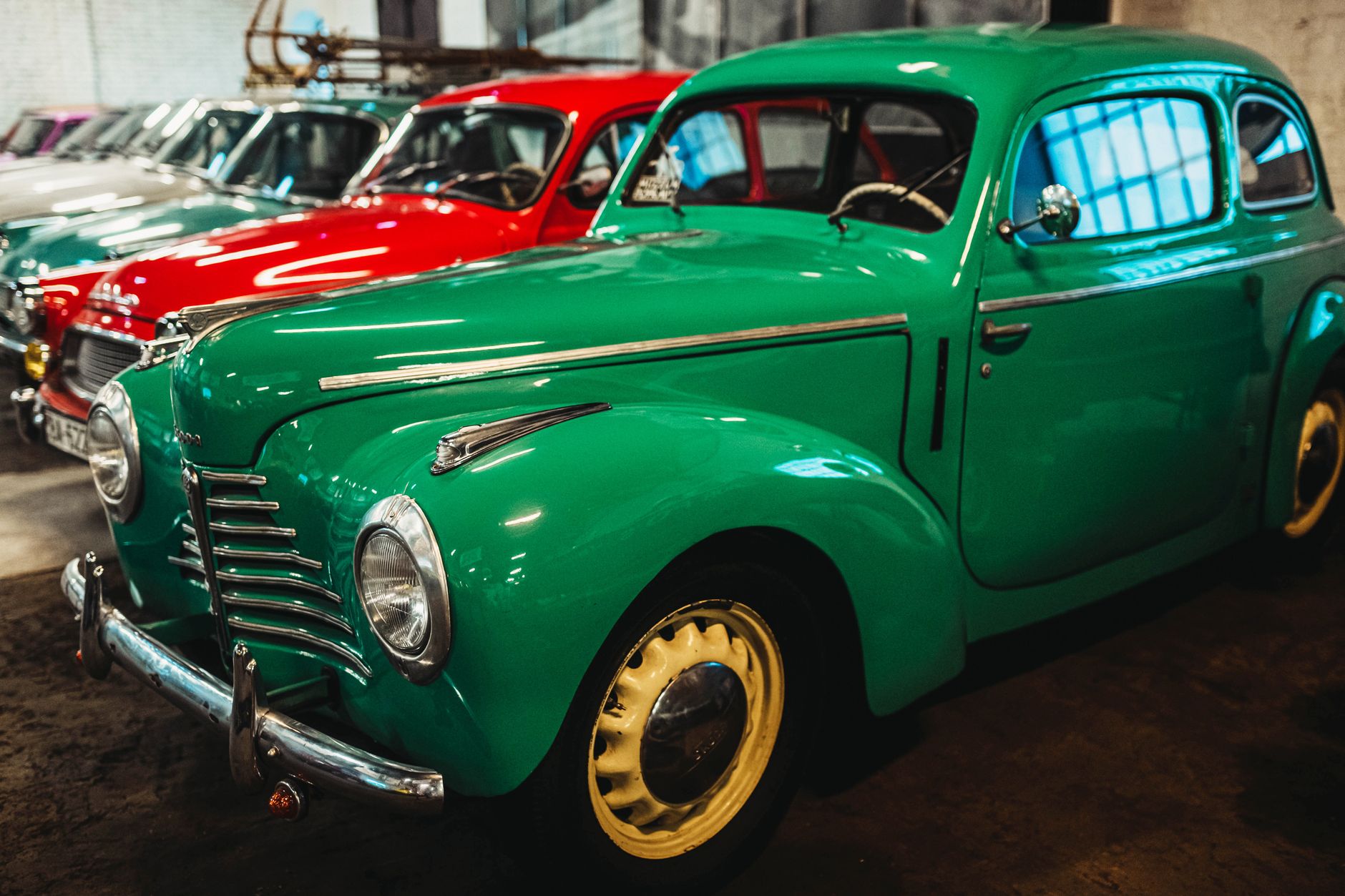
And speaking of engines, the museum boasts an impressive diversity of mechanical marvels: from steam engines powering textiles to vintage motorcycles that once roared through Istanbul’s streets. One time, a kid tugged at my sleeve, wide-eyed, asking if the massive anchor displayed nearby was ‘genuine pirate loot.’ I had to explain, somewhat grinning, that yes—it’s authentic—but no pirates, just a relic from a ship that patrolled the Bosphorus decades ago.
Timing Your Visit: When the Museum Feels the Most Alive
Despite being popular among locals and tourists alike, the Rahmi Koc Museum manages to avoid the crush of large crowds if your timing is right. Early weekday mornings during the shoulder seasons—especially late spring and early fall—tend to be ideal. I remember a May morning several years ago, leading a small tour group that practically had the place to ourselves. We had time to chat with the museum guides, who shared insider stories about recent acquisitions and restorations.
The museum opens from 10 am to 5 pm, closed on Mondays. Entry costs around 75 Turkish Lira for adults (roughly $4-5 USD), with discounts for students and seniors. It's easy to spend several hours here without feeling rushed, especially if you enjoy technical details and historical anecdotes. I often advise visitors to bring comfortable shoes since there’s a bit of walking, including some uneven surfaces in the older parts of the building.
Personal Memories & Quirks That Keep Drawing Me Back
One visit that sticks in my mind happened during winter, just after a heavy rain. The air was sharp, and the Golden Horn shimmered under a gray sky as I showed a friend the outside exhibits, like the massive yellow crane used in early Istanbul shipbuilding. There’s something about this museum that connects you physically with the city’s industrial legacy in a way that no other place in Istanbul does. Plus, the café tucked inside serves a strong Turkish coffee that feels well-earned after a few hours exploring.
Each visit has brought new surprises too—whether it’s a temporary exhibition on Istanbul's old trams or a freshly restored vehicle unveiled in the outdoor yard. I often see families, engineers, and even former factory workers marveling at pieces they remember from their youth. The Rahmi Koc Museum is not just about objects; it’s about the stories and memories they carry, the hands that built and used them, and the city’s constant dance between tradition and innovation. It’s a place that changed how I think about Istanbul and its layers of progress.
For me, every tour here is an invitation to pause and appreciate how technology and history intertwine, and maybe share a laugh or two over curious contraptions from times gone by. If you find yourself drawn to machines, quirky collections, or Istanbul’s industrial past, this museum invites you to look closer.