A Friendly Guide to Exploring Istanbul's Pera Museum Like a Local
Hey there! If you’ve found yourself near Beyoğlu and are wondering where to go next, let me tell you about the Pera Museum. It’s not just any museum—it’s one of those places where you begin to get a feel for Istanbul beyond the typical sights, especially in the Tepebaşı area just off Meşrutiyet Caddesi. I live nearby, so I’m happy to share how you can check out the Pera Museum and the surrounding streets like a local — with some tips that usually escape visitors.
Start Here: The Building and What It Holds
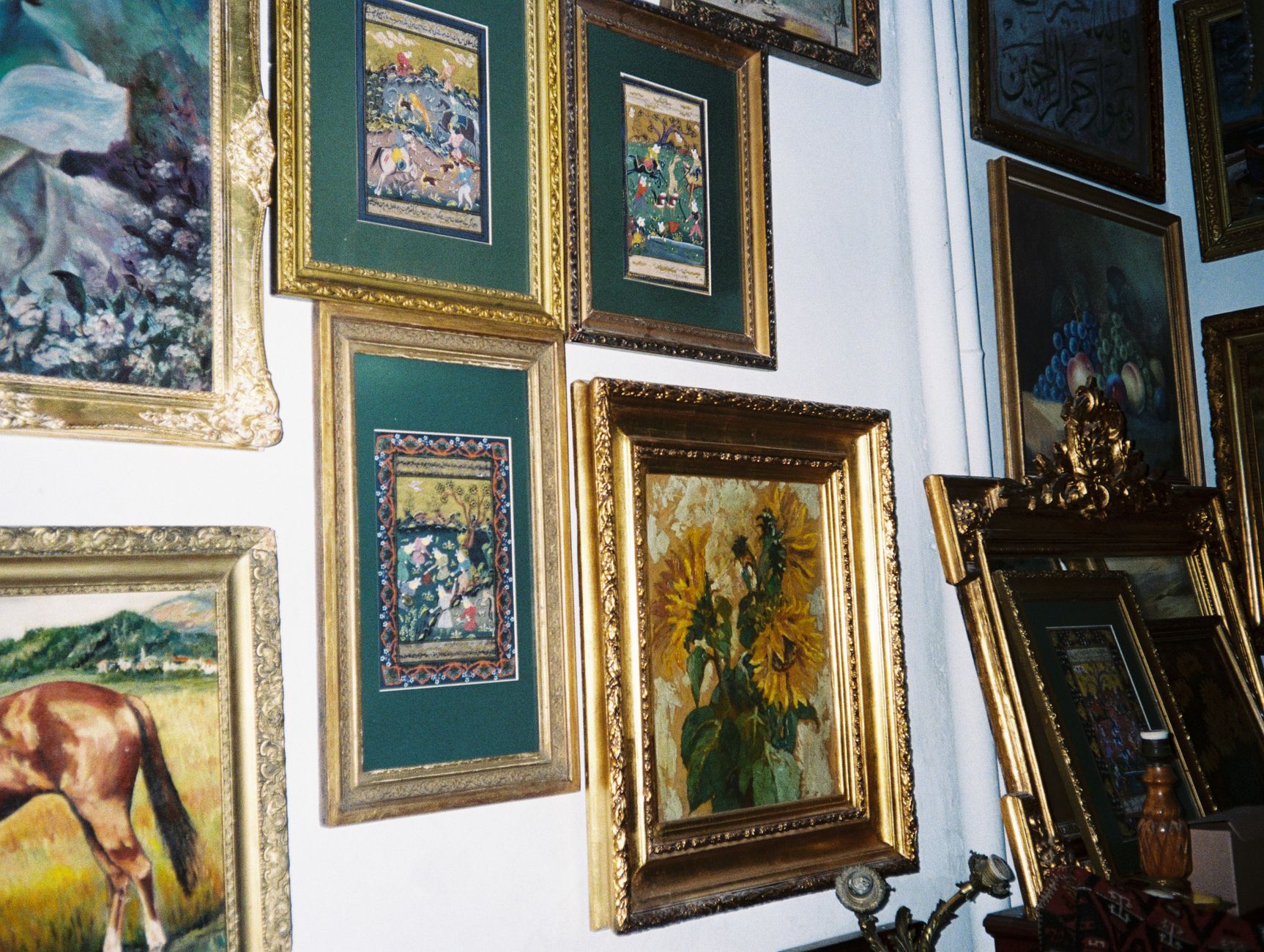
The Pera Museum opened in the early 2000s in a 19th-century building that used to be the Bristol Hotel, right on Meşrutiyet Caddesi. If you’re walking along, you can’t really miss its distinct red bricks and old Ottoman-style windows. Inside, the museum’s permanent collection includes Orientalist paintings—you’ll come face to face with works by artists like Osman Hamdi Bey, whose "The Tortoise Trainer" is some kind of local icon. There’s also a notable collection of Anatolian weights and measures, which sounds dull but is surprisingly engaging when you realize how trade and daily life were structured in the past.

What visitors might not realize is that the museum organizes changing exhibitions regularly, usually contemporary art mixed with regional themes. When I went last fall, they had a show focusing on Istanbul’s bohemian past, with photos and personal items of poets and painters. It felt like sitting in a café while hearing stories from the city’s creative underground. The entrance fee is around 35 Turkish Lira, and on Thursdays after 6 pm it gets cheaper, so that’s a good weekday tip if you want to avoid crowds.
The Side Streets Around Pera
After exploring inside, don’t just head back to İstiklal Caddesi; instead, take a right onto Meşrutiyet and wander down to Kallavi Sokak. Now, this street has a few little shops that even many locals overlook. There’s a shop called "İncirli Pastanesi" where you can grab a slice of a dense walnut cake paired with their strong Turkish tea. The owner, Hasan, will chat if you’re patient — he’s got stories about the neighborhood’s changes over the decades. For coffee lovers, stop by "Petra Roasting Co." on Asmalı Mescit Cad., about a 5-minute walk—locals swear by their single-origin beans and you can watch the roasting process through a glass wall.
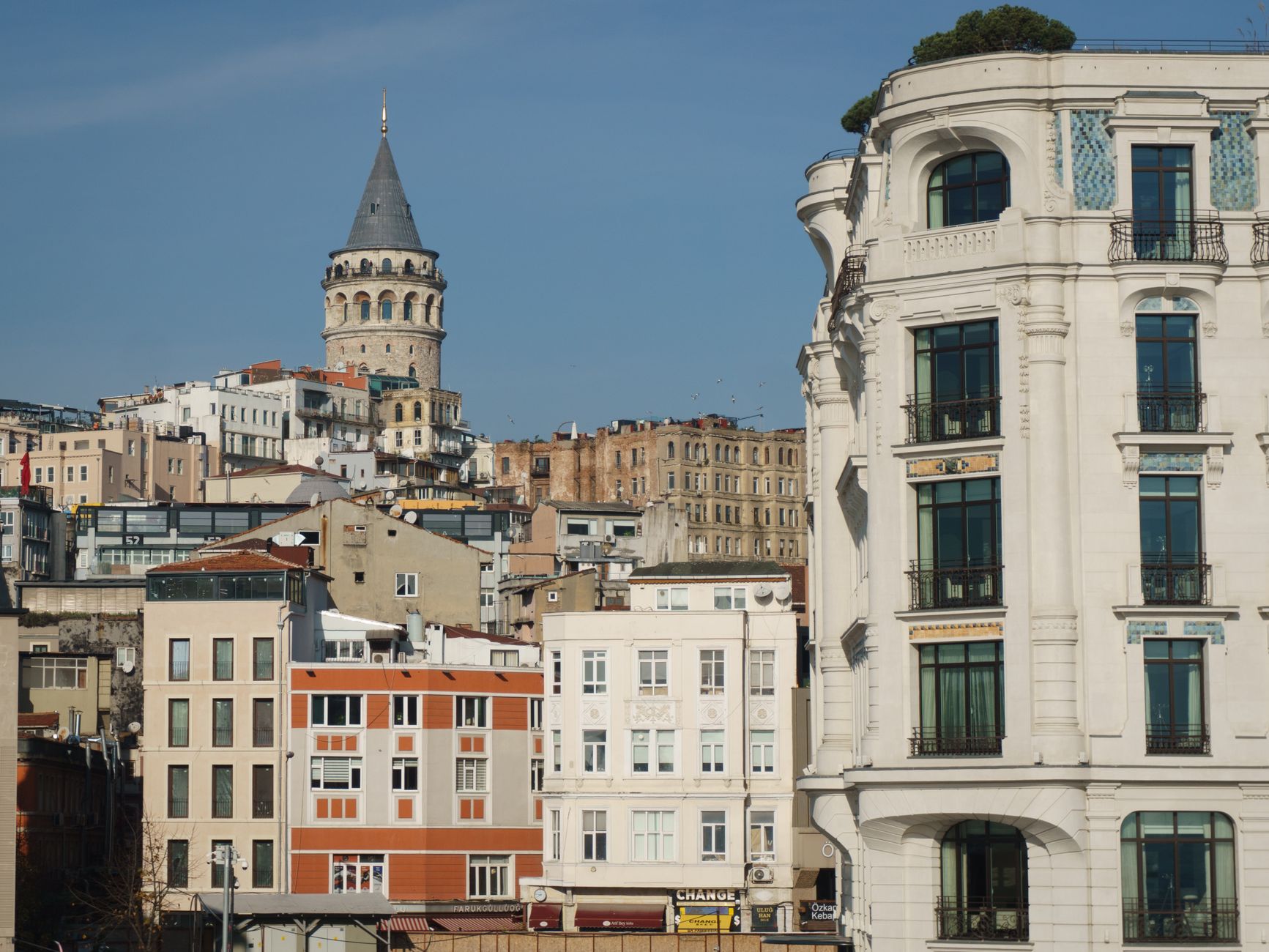
Another decent walk is towards the backstreets leading down to the Galata Tower, about a 10-minute stroll south. Along the way, you’ll pass Bukalemun Pasajı, an arcade with vintage boutiques and some small art galleries. If you want a quiet spot to reflect after your museum visit, the "Ara Cafe" nestled in one of those passageways is almost a local sanctuary—great for people-watching and chatting with Istanbul’s artists or students.
Local Tips for Your Visit
One little tip—I recommend checking if there are any events or talks happening at the museum the day you visit. They often host panel discussions with artists and historians, which tend to be in Turkish but are still fascinating. If you’re serious about understanding the art, attending one of those can add a layer of context that you won’t find in the average guidebook. Also, don't rush your visit. The museum is small enough that you can cover it in an hour or two, but taking your time to appreciate each section makes a difference.
For lunch or a snack, cross the street after your museum tour and pop into "Çiçek Pasajı" on Istiklal Caddesi for an authentic meze plate. It’s touristy but still a good pit-stop if you want quick, reliably good food before continuing your day. Alternatively, the cafes on Meşrutiyet, like "Kafe Ara" mentioned earlier, have more relaxed vibes and aren't swamped during weekdays.
Lastly, if you’re around in the evening, the neighborhood changes pace with the smell of roasted chestnuts and the murmur of conversations spilling out from meyhanes—traditional taverns. "Asmalı Cavit" on Asmalı Mescit is a place I take friends for an authentic experience without the tourist markup. The food is straightforward; the rakı flows freely, and it’s where I’ve learned a few Turkish songs by heart.
So, Pera Museum is more than just the building and its exhibits—it's about the little discoveries in the streets around it, the people behind those stories, and how a local afternoon unfolds in this part of Istanbul. If you follow some of these tips, you’ll see a side of the city that’s usually reserved for people who have lived here a while. And if you have questions about getting around or want to hear more about those little spots hidden in plain sight, just ask—I’m always happy to help.