Experiencing Kucuksu Palace: A Private Day Out on Istanbul’s Asian Shore
Arriving in style by the Bosphorus
Your day begins with a private transfer from your Istanbul accommodation. Gliding across the city’s Asian shore, your driver navigates effortlessly to the Kucuksu Palace gates, bypassing crowds and public transport delays. This 19th-century waterside pavilion sits on the northern edge of the vibrant neighborhood of Beylerbeyi, along the European-to-Asian Bosphorus stretch. Approaching the palace by car offers a privileged perspective on the waterfront mansions and lively local cafés lining the road.
The private chauffeur’s knowledge extends to insider tips on the best timing for photos and quiet moments, steering clear of midday visitor influxes. Arriving before the palace opens around 9 am means you’ll have space to yourself in the elegantly designed gardens flanking the building.
Preparing for the visit: essentials covered
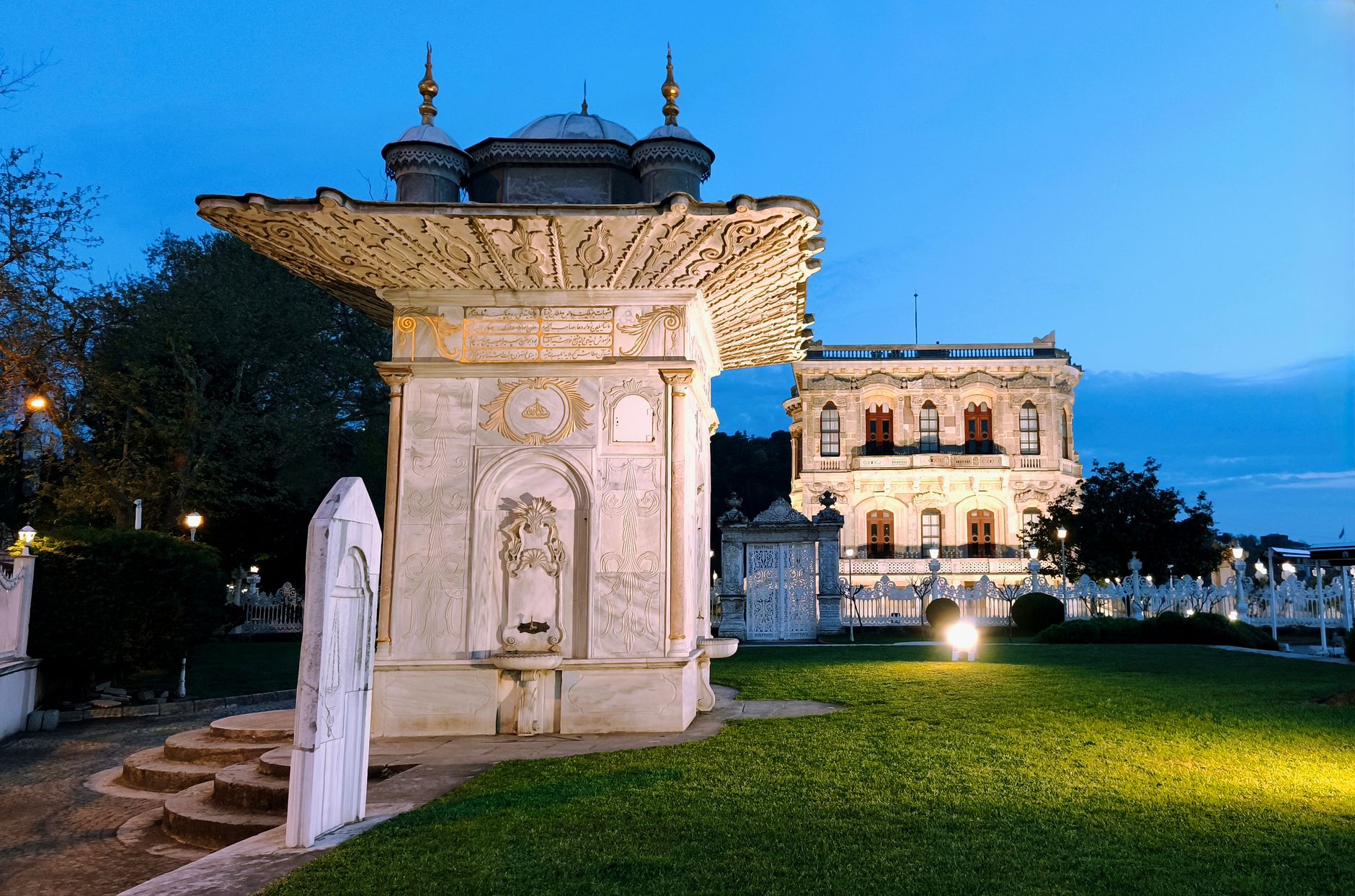
Kucuksu Palace’s entrance fee is modest, just 10 Turkish Lira, but for a small additional charge you can arrange private guided access that dives deeper into the architectural nuances and the palace’s role during the Ottoman era. The pavilion itself was commissioned by Sultan Abdulmecid I and completed in the early 1850s by the architect Nikoğos Balyan, a member of the renowned Balyan family responsible for several imperial projects.
Inside, visitors can explore rooms decorated with intricately carved marble and woodwork, alongside hand-painted ceilings that reveal a synthesis of European influences blended with Ottoman artistry. The palace’s main hall features a notable dome pierced with small windows, filtering natural light onto the antique furnishings and blue İznik tiles lining the walls.

Planning your afternoon: beyond the palace walls
Once you’ve taken your time in Kucuksu Palace, consider a short walk to the nearby Beylerbeyi neighborhood to explore local markets and artisan shops. This district is quieter than the European side’s bustling markets, offering a more relaxed atmosphere and intriguing opportunities to meet artisans crafting traditional ceramics, textiles, and calligraphy.
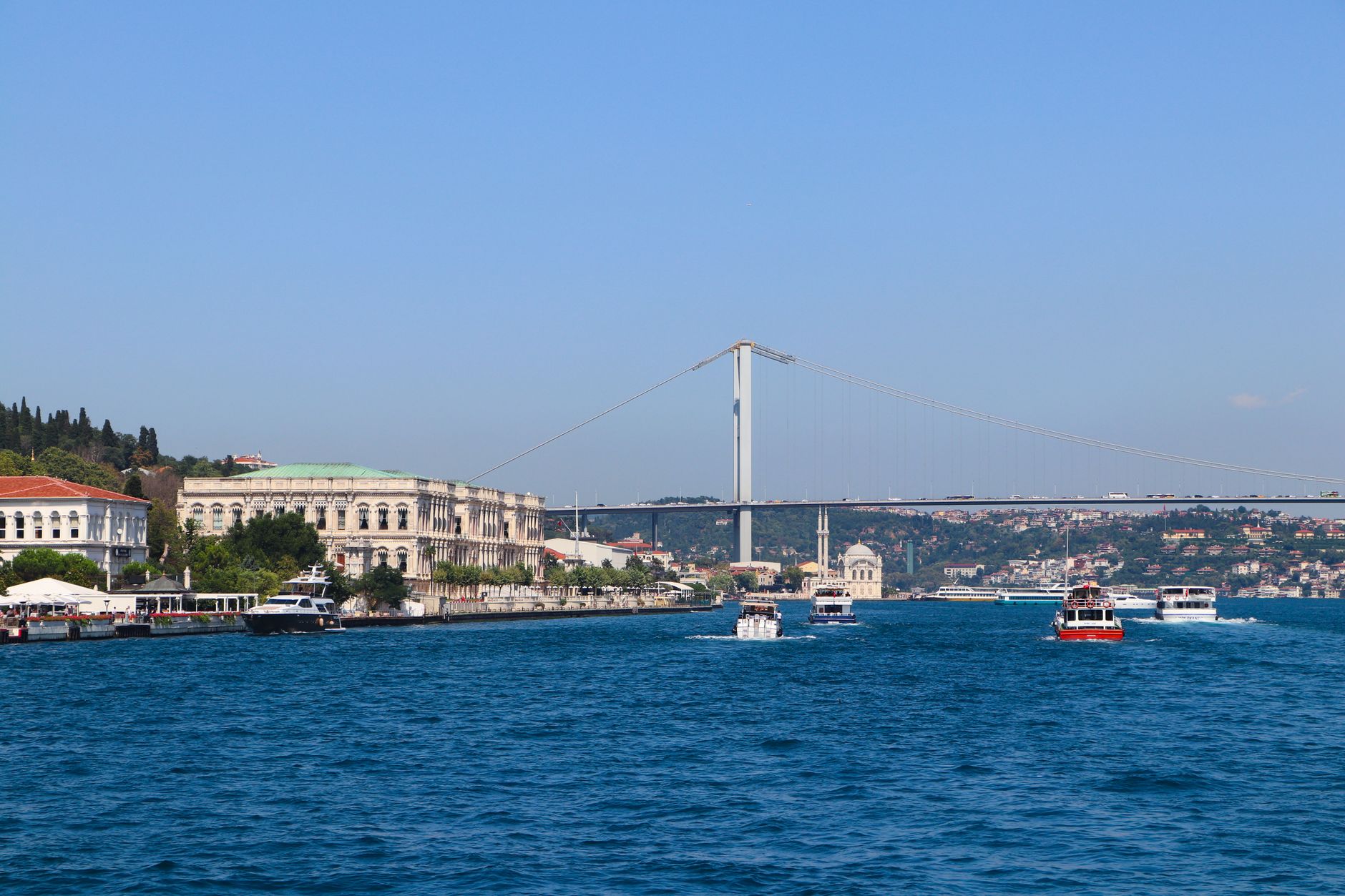
Alternatively, book a private boat tour to trace along the Asian Bosphorus shore, departing from a dock just ten minutes from the palace. These small, intimate cruises provide a fresh vantage point to study waterfront mansions and dense greenery uninterrupted by the throngs common around the historic city center.
Exclusive dining options along the shore
Istanbul’s Asian shore has become a culinary beacon for those seeking refined meals away from the mainland’s tourist hubs. Within easy reach of Kucuksu Palace, there are several upscale restaurants serving modern interpretations of Ottoman cuisine, with panoramic views of the Bosphorus. Booking ahead is wise, especially for tables positioned on terraces overlooking fishing boats and ferry silhouettes against the horizon.
A private transfer can collect you at your preferred time, returning you to your hotel or onward destination without fuss. This personalized approach to logistics adds a layer of comfort that allows you to savor the day completely, with all transport arranged discreetly in the background.
Seasonal notes and practical considerations
Kucuksu Palace opens daily except Tuesdays, typically from 9:00 am to 5:00 pm. The best months to visit are spring and autumn when the weather is mild, and the northern winds from the Black Sea add freshness to the Bosphorus air. Summers can be hot, though the palace interiors remain relatively cool, thanks to their thick stone walls.
Photography is generally permitted, but flash and tripods are not allowed inside to protect the delicate interiors. Private tours can include tailored photo sessions just outside the palace grounds, ideal for capturing the elegance of the exterior and surrounding gardens.
Final reflections on a discreet retreat
By choosing private transfers and selective scheduling, your visit to Kucuksu Palace becomes more than a visit—it transforms into a curated afternoon focused on architecture, quiet contemplation by the water, and authentic interactions on Istanbul’s Asian side. This combination of refined access and thoughtful pacing provides a refreshing alternative to Istanbul’s more crowded tourist circuits.
The palace sits as a quiet counterpoint to the city’s cacophony, offering a space where detailed craftsmanship and the enduring dialogue between European and Ottoman design can be appreciated without distraction. Such an experience rewards slow observation and invites curiosity without any rush.