Kanlica and Its Yogurt Legacy: A Taste of Istanbul's Past
It was a chilly spring morning when I first led a group to Kanlica, a neighborhood that often flies under the radar for many visitors exploring Istanbul. We found ourselves seated outside a modest yogurt shop where the air held that unmistakable tang of fresh dairy. As my group hesitated, uncertain about trying what looked like simple yogurt served with a sprinkle of sugar, I smiled, knowing they were about to step into a tradition that has been lively in this peninsula quarter since the Ottoman era.
An Afternoon in Kanlica: More Than Just Yogurt
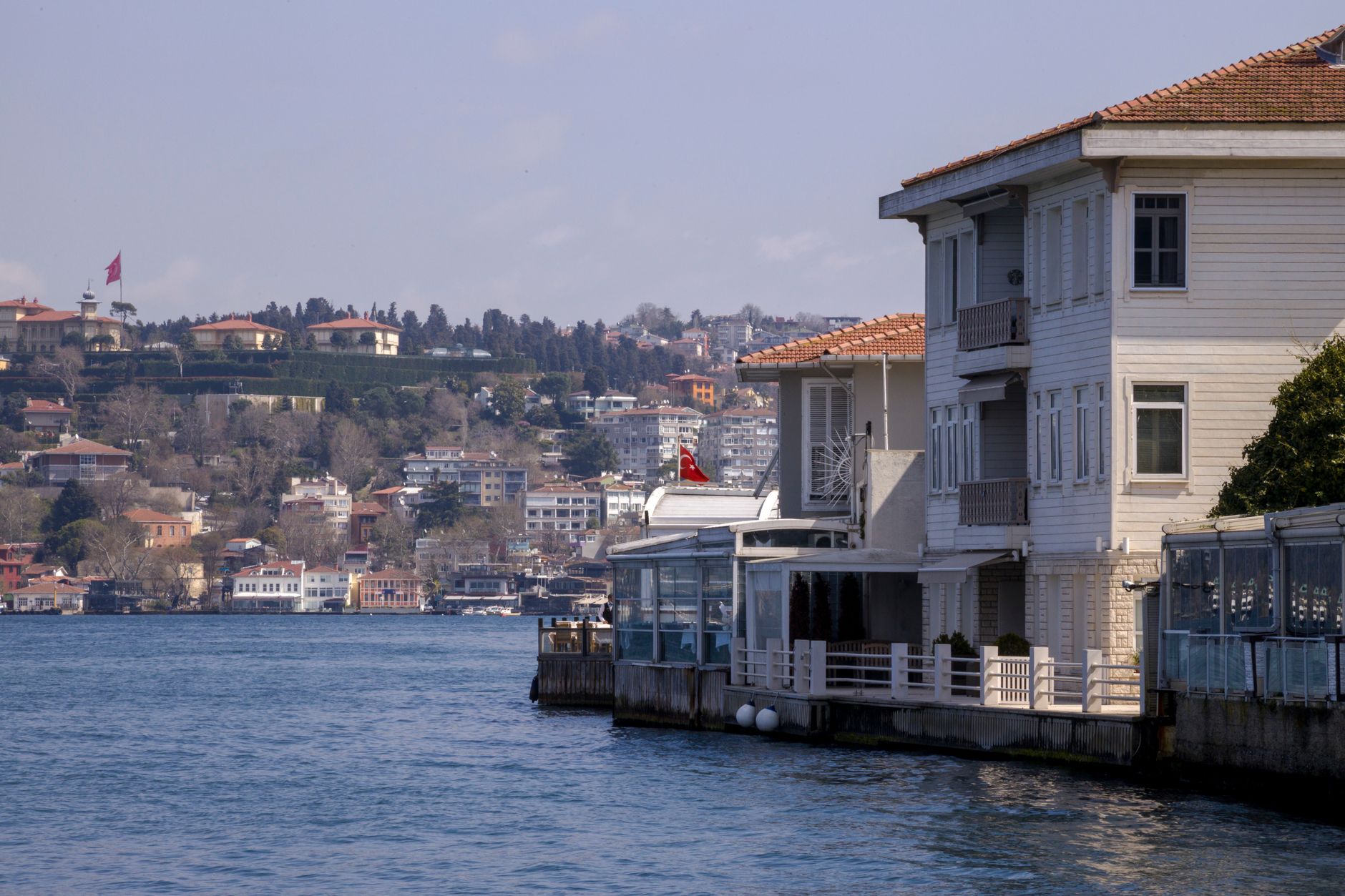
Kanlica lies along the northern coastline of Istanbul's Bosphorus, a place where the water’s whispers mix with the distant calls of seagulls. Historically, this neighborhood was a favored spot for Ottoman elites during the summer months, drawn by the cooler breezes and quiet bays. But beyond the leafy parks and waterfront mansions, it holds a culinary secret. Kanlica yogurt is not just a dessert or a snack; it’s a cultural artifact carried on by generations of local dairymen.
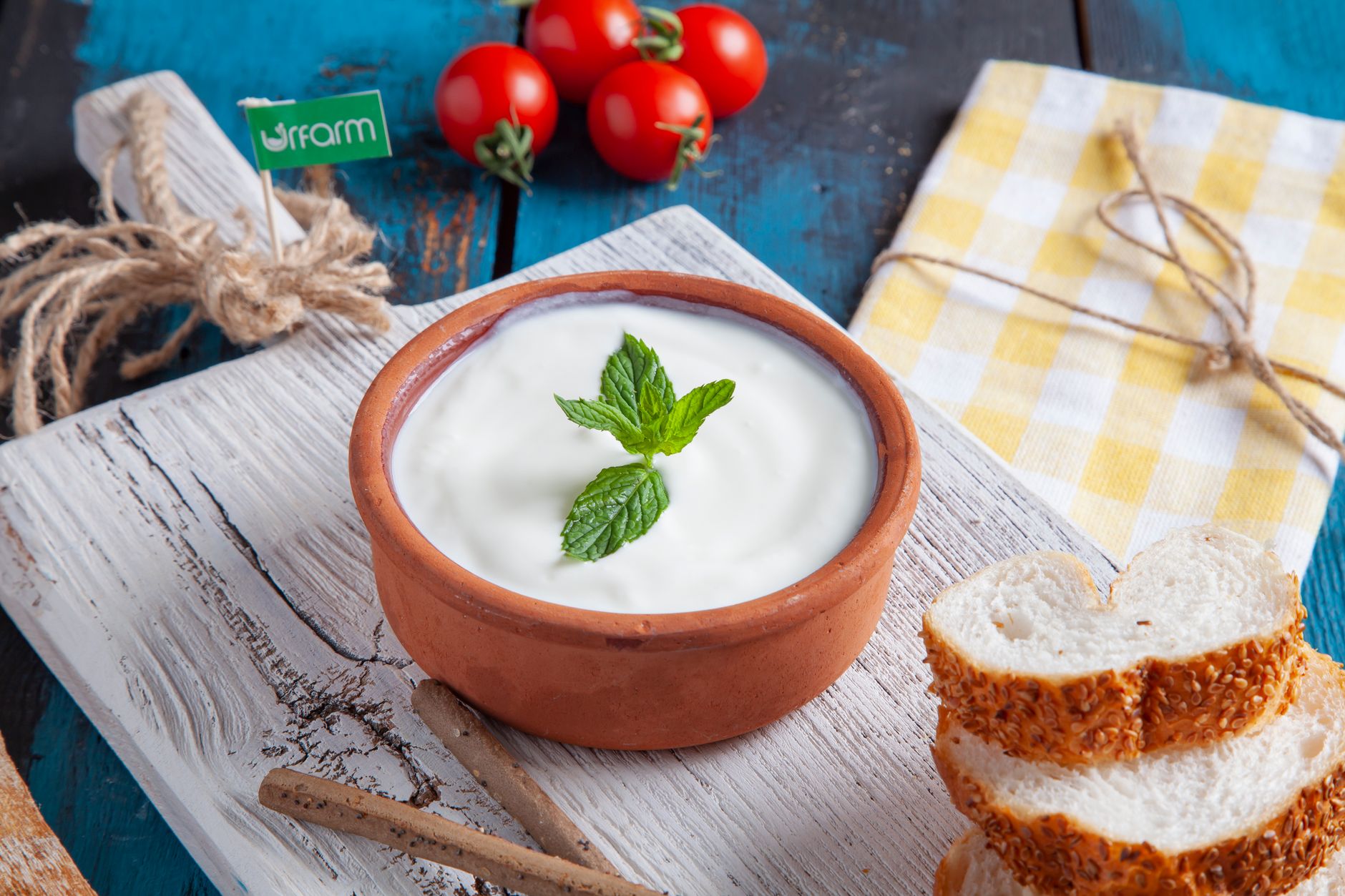
This particular yogurt's identity is tied to its unique texture and preparation. Unlike the commercial yogurts that most of us are used to, which are smooth and homogenized, Kanlica's version retains a slightly grainy texture, with a pleasantly thick consistency. The locals often sprinkle a fine dusting of powdered sugar on top, which melts just enough to balance the yogurt's natural tartness. During my tours, I always mention that this simple combination can evoke vivid memories of the Bosphorus breeze even after the last spoonful.
Behind the Scenes: How Kanlica Yogurt Makes Its Mark
My curiosity was piqued when I encountered a descendant of a family who has prepared this yogurt for decades. At their small, unassuming workshop near the shoreline on Cumhuriyet Street, the yogurt is still made using traditional methods. Fresh milk is gently boiled, and then a unique local starter culture, passed down through families, is added to initiate fermentation. The process is gradual, done in a specially aerated environment, which in turn gives the yogurt its distinct mouthfeel and flavor.
Visiting this workshop felt like stepping back in time. As the old wooden windows creaked open, the warm, slightly acidic aroma filled the air. The owner, with a proud expression, recounted tales of how this yogurt was a favored treat among Ottoman sultans’ court members during excursions along the Bosphorus. There was something humbling about tasting the very product that centuries ago entertained the palates of imperial guests.
The Unwritten Stories of Kanlica’s Streets
Kanlica’s charm is not confined to its yogurt alone. The neighborhood’s streets whisper stories of old Istanbul, with wooden Ottoman houses painted in muted pastels lining narrow lanes. On one of my recent visits in autumn, the local tea garden near the waterfront was a gathering spot for elderly men playing backgammon, their laughter echoing off the stone walls. I noticed a small plaque on a nearby building, commemorating an early 20th-century architect who contributed to the Bosphorus shoreline's aesthetic.
These streets carry the warmth of daily life away from the cacophony of central Istanbul. Strolling past the mosque with its delicate minaret provides a striking contrast to the dairy shops’ rich scents. And just a few meters away, fishermen untangle nets in preparation for the day. For me, Kanlica's yogurt is a sweet introduction to this local rhythm, one I often tell my guests about before we sample the creamy delight together.
Timing Your Visit: When the Yogurt Tastes Best
One tip I’ve shared countless times: the freshest yogurt in Kanlica is usually available late in the morning and early afternoon. Many yogurt shops open around 9 a.m. and remain busy until mid-afternoon, closing by 5 p.m. on most days. On weekends, especially Sunday afternoons, the crowds swell with Istanbul residents who escape to the seaside for a modest picnic featuring this renowned dairy product.
During a summer tour, I observed how a family chose their yogurt with the care of selecting fine wine, asking the shopkeeper about when the milk was sourced and how freshly it had been churned. Prices remain very reasonable; a small clay cup of Kanlica yogurt costs around 12 to 15 Turkish Liras, though this can vary slightly with location and season.
There’s an unspoken etiquette, too: locals insist on stirring the powdered sugar in gently rather than mixing it vigorously. This preserves the contrast between the tangy bite and the lingering sweetness. I fondly recall a moment when a street vendor taught a group of curious tourists this subtlety—their faces lighting up as they tasted the yogurt the 'right' way.

Reflecting on Kanlica: Beyond Dairy and Downtown
Years of guiding tours through Kanlica have taught me that this place is as much about human connection as it is about any food. The conversations sparked over bowls of yogurt, the laughter shared by strangers trying a new flavor, and the historical threads connecting present visitors with centuries of tradition—these weave together an experience that lingers longer than any quick snack.
On my last trip there, I brought along an elderly friend who grew up in the area. Watching her reminisce about childhood days spent by the Bosphorus, clutching a cup of yogurt, illuminated how this simple food is more than nutrition; it’s a portal to memories, neighborhood life, and familial bonds. So if you find yourself near the northern Bosphorus shore, I encourage embracing Kanlica on foot, with a yogurt cup in hand, to taste and feel Istanbul through one of its enduring, creamy pleasures.