How to Navigate Istanbul’s Ottoman Palaces Without Wasting Time or Money
One thing I wish I’d known before my first Ottoman palace visit in Istanbul: these sites require several hours if you want to actually see something beyond the main halls, so don’t try to cram multiple palaces in one day. Take your time at one palace and you’ll get more out of it.
Getting There: Plan Your Route Like a Local
The main Ottoman palaces you’ll want to consider are Topkapı Palace, Dolmabahçe Palace, and Beylerbeyi Palace. Topkapı Palace sits within the old city on the edge of Sultanahmet, really easy to reach by tram (T1 line, get off at the Gülhane stop). From Sultanahmet square it’s a 10-minute walk. Dolmabahçe Palace is on the European side’s Beşiktaş district. The easiest way is the tram (T1 line) to Kabataş and then a short uphill walk or bus. Beylerbeyi Palace is on the Asian side, so factor in a ferry ride from Eminönü or Beşiktaş. The ferry takes about 20 minutes. Istanbul’s transit apps are your friend here.
How Much Will It Set You Back?
Topkapı Palace is 320 Turkish lira (around $17 USD) for the general entrance ticket (2024 prices), but if you want to see the Harem section, that’s an extra 120 lira, which I recommend if you have the time. Entry is free for Istanbulkart holders on Mondays for some sections, but don’t count on this unless you check hours before your trip. Dolmabahçe Palace’s ticket costs about 450 lira. Beylerbeyi Palace is more affordable at roughly 100 lira entrance fee, worth considering if you want a change from the crowded European palaces.
What’s Actually Worth Seeing Inside
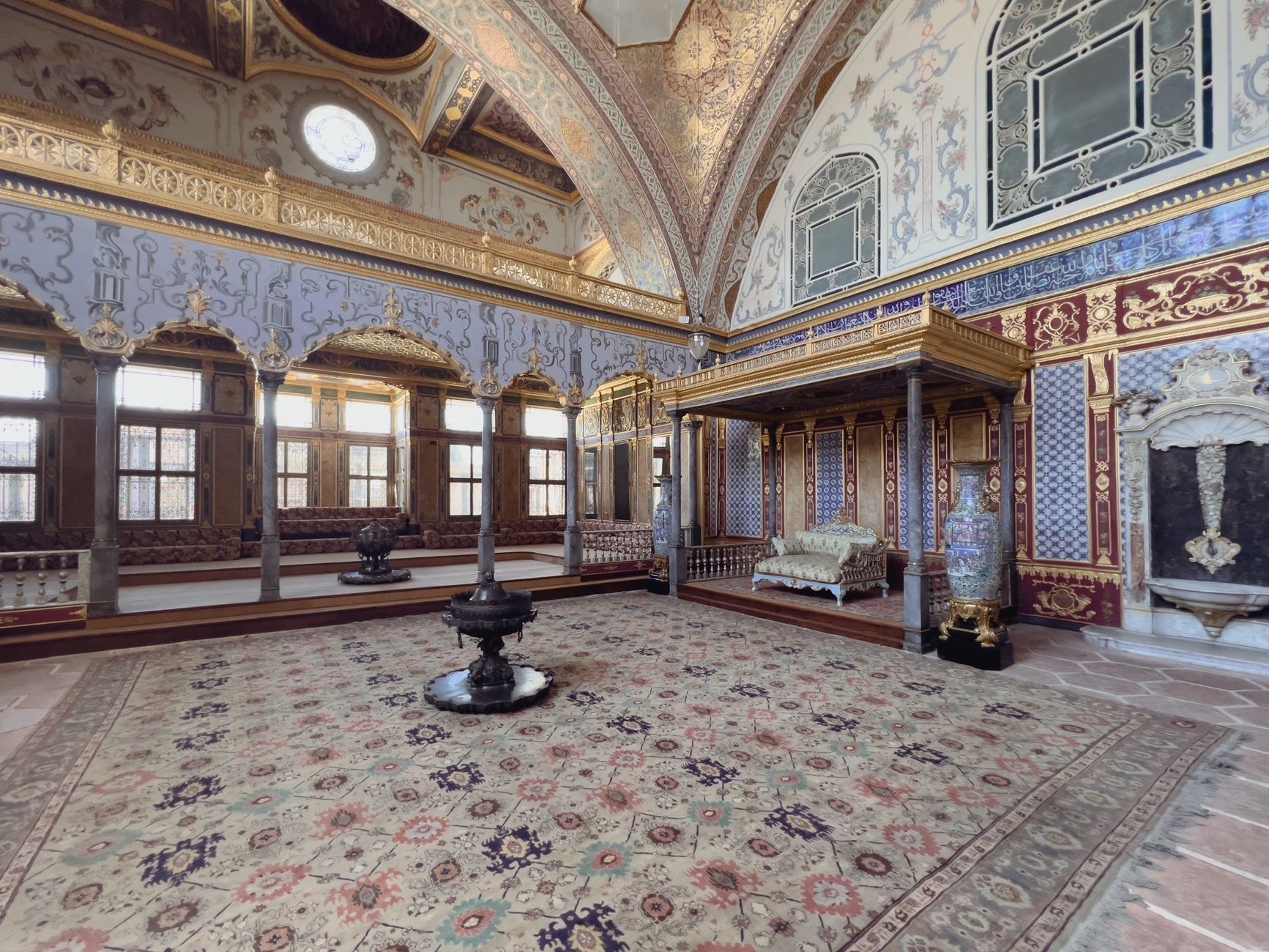
Topkapı Palace is large and feels like a complex rather than a single building. The courtyards, treasury, and palace kitchens have interesting displays, but most visitors head straight to the Harem. The Harem is intricate with rooms and passageways showing palace life. If pressed for time, skip the kitchen section — it’s a lot of empty space and old utensils with little explanation. Dolmabahçe Palace is more about the opulent rooms and chandeliers imported from Europe, but if you aren’t into ornate interiors, it can start to feel excessive after a while. Beylerbeyi Palace is smaller and simpler but has a nice waterfront location. Its wooden and marble details are more approachable if you want a palace visit without the crowds.
Skip This Crowd Trap
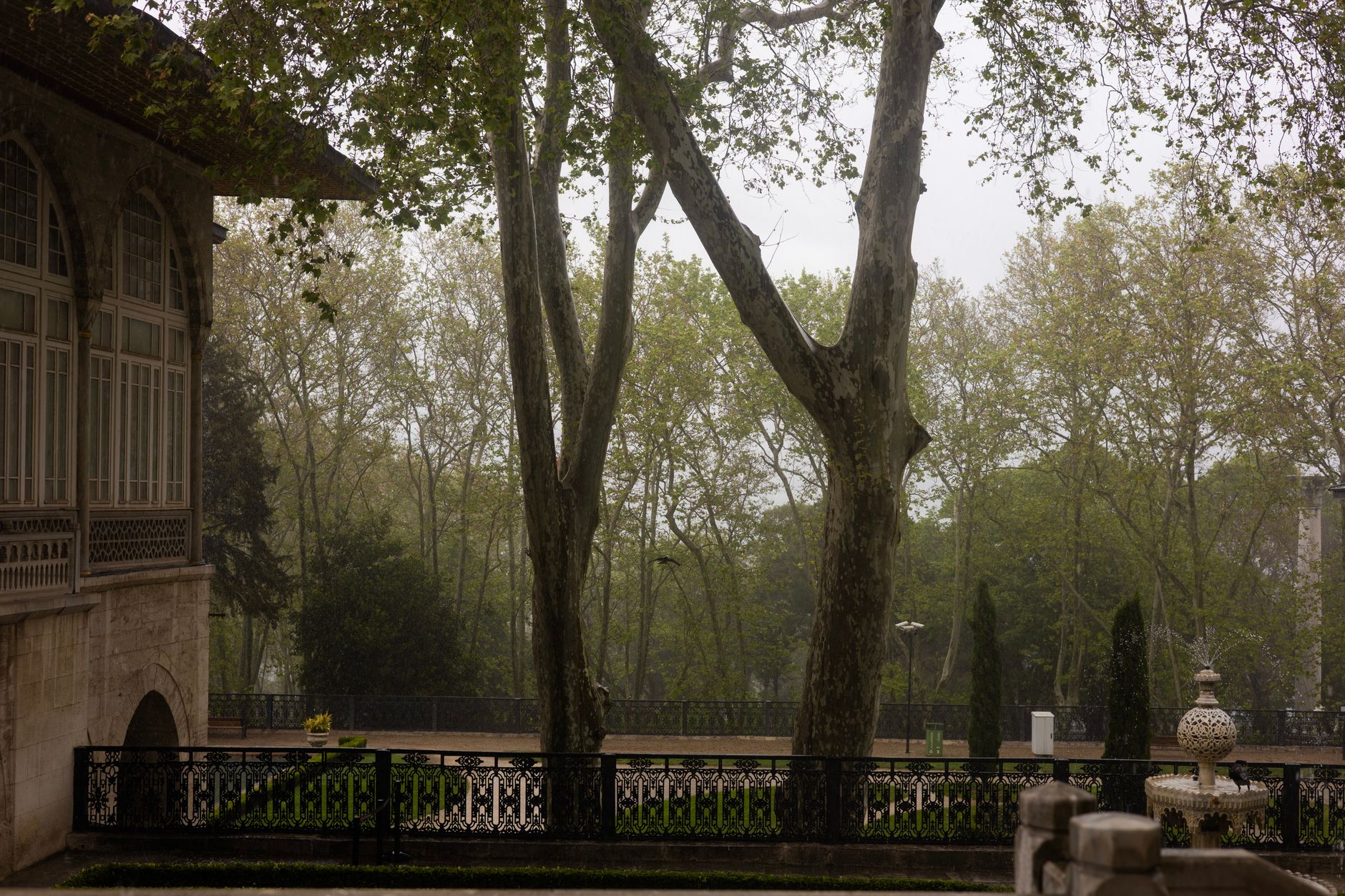
One spot that tends to disappoint is the Palace Museum’s antiquities section near Topkapı. The exhibits are often poorly labeled and crowded, with many artifacts displayed behind thick, reflective glass. I recommend giving this section a pass unless you have a strong interest in Ottoman artifacts. Spend your time wandering the gardens or on the palace terraces instead. Remember, you’ll pay the same general admission, so get your money’s worth with the areas that invite exploration.
The Practical Side: Opening Hours and Visiting Tips
Most palaces open around 9 am and close in the early evening, usually about 5–6 pm depending on season. Topkapı Palace closes one day a week (usually Tuesday), Dolmabahçe Palace closes Mondays. Check Istanbul’s official websites for up-to-date hours. Arrive early to beat the mid-day tour groups and heated crowds, especially at Topkapı. Audio guides are useful if you want basic context but don’t expect detailed explanations. If you want photos without too many people in the frame, the morning or late afternoon is best. Don’t bring large bags; security is tight and can slow you down.

What I Wish I’d Known Before
I remember trying to visit both Topkapı and Dolmabahçe on the same day and burning out halfway through. Each palace demands attention to detail, and rushing shortchanges the experience. Also, there’s limited seating inside, so wear comfortable shoes and prepare to be on your feet. If you have more than one day in Istanbul, dedicate a separate half-day for each palace plus some time for exploring their nearby neighborhoods. This way, you’ll get a clearer picture of Ottoman palace life and architecture without feeling like you’re ticking off boxes on a checklist.
In summary, take your time, budget about 3–4 hours per palace, factor in transport time, and pick the palace that fits your interests — Topkapı for a comprehensive look at Ottoman court life, Dolmabahçe for large-scale European-influenced palatial design, or Beylerbeyi for a quieter and scenic alternative.