Lingering by Istanbul's Fish Markets: A Day with Sea and Salt
There’s a peculiar pause in the air just as dawn begins to break over Istanbul’s waterfront. It’s not the clamorous start to a city day, yet neither is it quite peaceful. The Bosphorus exhales a salty breath, and along the docks, fishermen, their faces weathered and hands quick, begin to bring ashore the day’s catch. It’s a quiet moment, but one full of anticipation and a subtle hum of commerce that will soon swell into the city's daily rhythm.
A slower morning
Walking along Rüstem Paşa Street near the Galata Bridge, the first thing that catches your attention is not the fish itself, but the complex choreography unfolding in front of the fishmongers’ stalls. Fingers wrapped firmly in rubber gloves examine the scales of various fish, sometimes tapping a snapper’s head or pressing lightly on a sardine to feel its freshness. The scent is not overpowering; it carries a mild brininess, layered with the sharp tang of crushed ice and the occasional waft of grilled garlic from a nearby café where early risers sip thick Turkish coffee. A stall owner, polishing each fish with a practiced hand, narrates softly to a customer about which local catches arrived overnight, his eyes crinkling with pride and a dash of humor as he recounts the morning’s smaller escapades at sea.
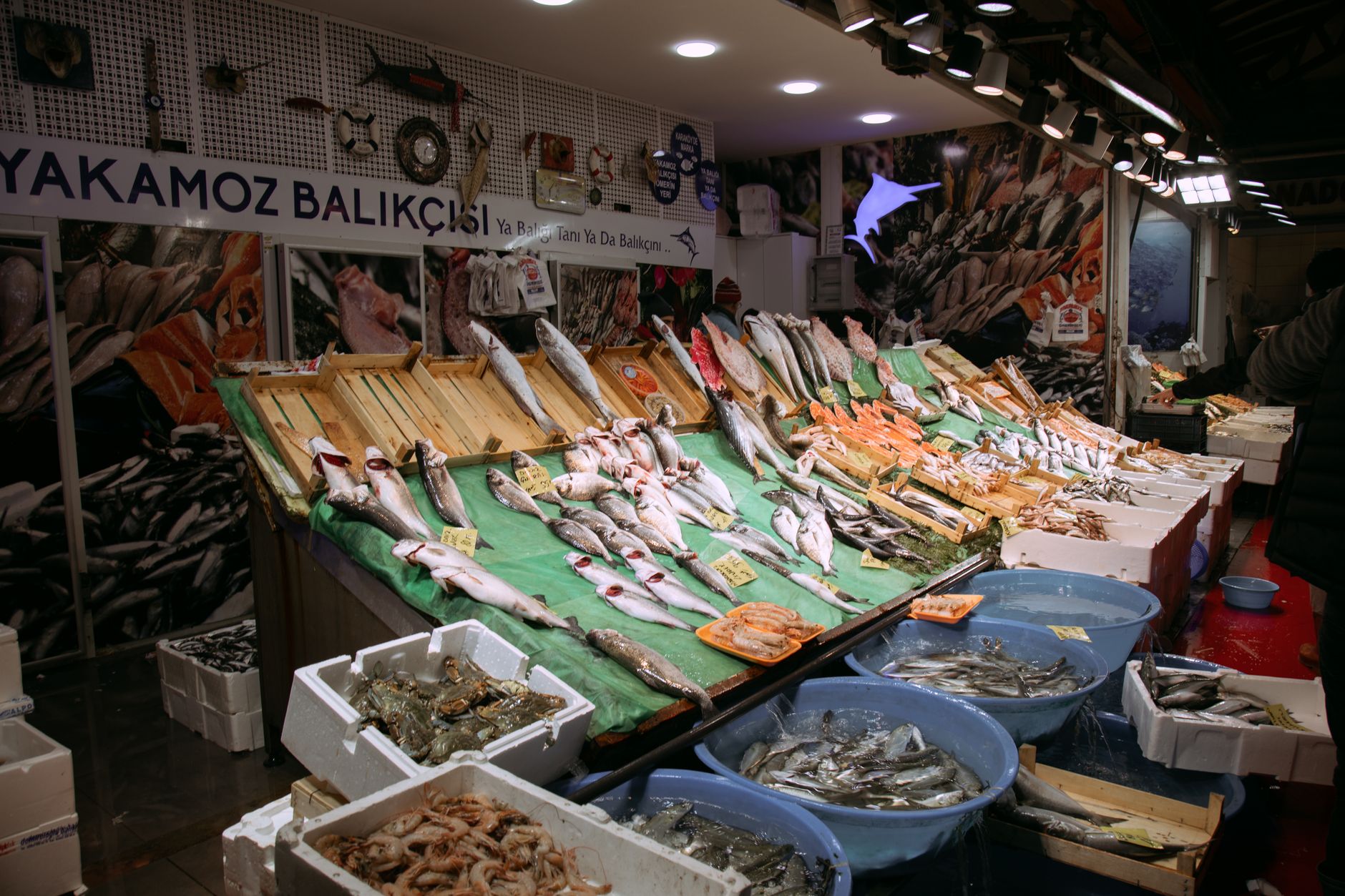
The sounds around here deserve as much attention as the sights. The steady clink of knives sharpening, the low murmur of haggling voices, and the occasional clatter of trays stacked with octopus or mackerel create a backdrop that feels almost sacred. What draws me in is a lad, no older than ten, working alongside his father. His small, earnest hands handle the fish with care, but he steals glances at a stray cat weaving between the crates, waiting patiently for a scrappy prize. This small scene, unplanned and fleeting, seems to capture the essence of the fish market’s daily life—work, watchfulness, and whimsical interruptions.
Across the market's lively corners
As the morning advances, the frenzy builds. The market spreads its arms wider towards the Karaköy district, where stalls spill onto narrow streets lined with shops selling sea salts, dried anchovies, and lemon wedges wrapped in crisp paper. Here, I pause at Tezgâh Sokak, a side street often overlooked by visitors in a hurry. The sellers here greet each customer with a familiarity that feels like a shared secret. One woman, who has been selling fish for over thirty years, insists on wrapping a piece of fresh sea bream for my lunch. The price, she says with a wink, is only 55 Turkish lira per kilogram today—a small detail that reveals the delicate balance of supply, demand, and seasonal whims.
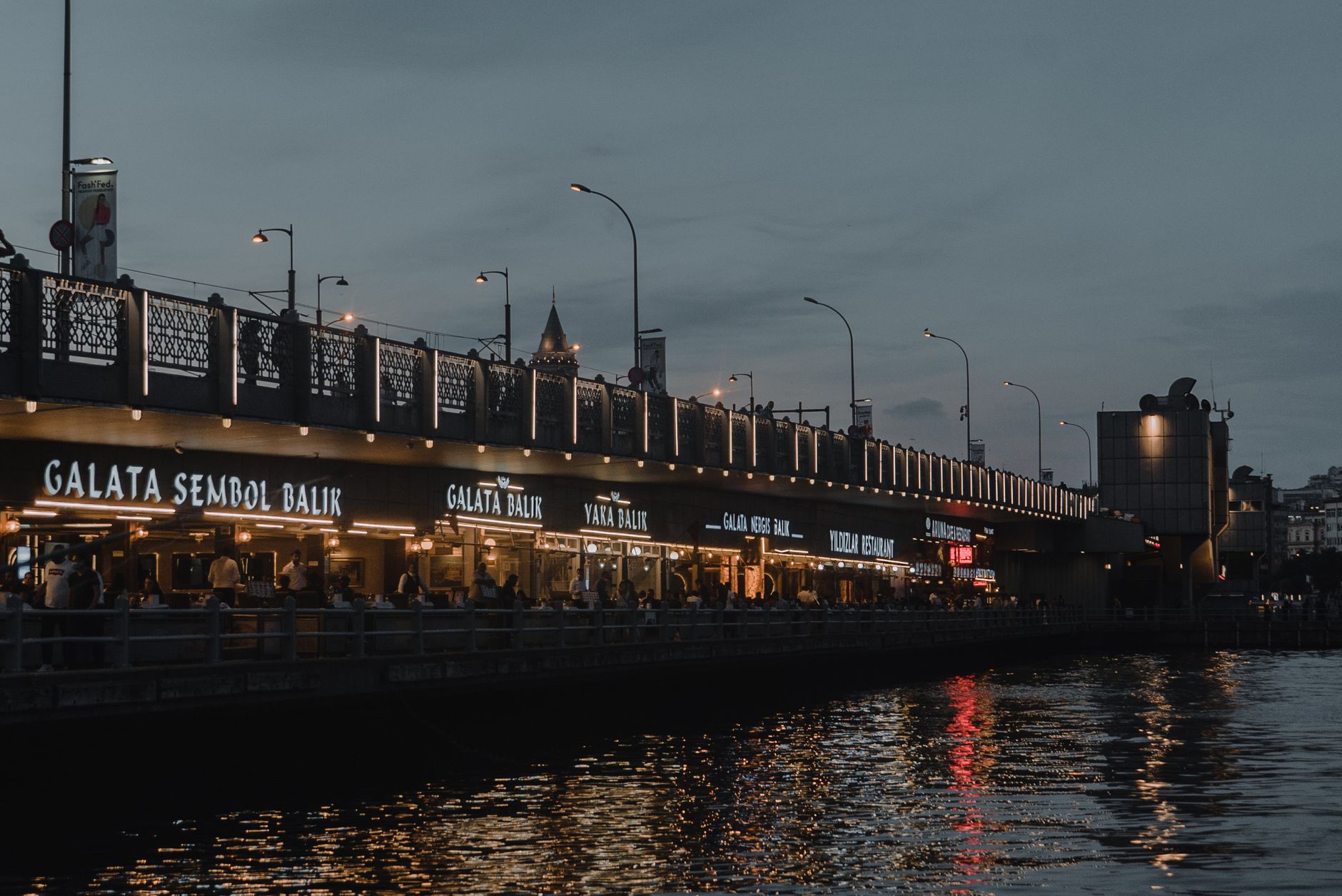
Settlers of this culinary marketplace do not limit their craft to fresh fish alone. Around the corner, small eateries offer plates of fried anchovies and meaty calamari, served with a sprinkle of sumac and a squeeze of lemon, their aromas weaving into the salty breeze. I watch as old men gather around small, worn tables littered with crumbs and empty tea glasses, telling stories that rise and fall with the steam from their tea. The language is fast and rich, peppered with expressions I recognize from my Turkish lessons, but here they seem to live in a world apart, one where the market’s pulse dictates the rhythm of life.
The afternoon hush and lingering tastes
By early afternoon, the crowds have thinned. Stalls that were once brimming with fish now display only hints of the morning haul—smoked mussels, salted cod, and pickled seaweed. The sun, softening in the late skyline, picks out the gleam on ceramic plates left behind on cafe tables. I settle near a modest café on Kemeraltı Street, watching as a young woman deftly prepares midye dolma, tiny mussels stuffed with spicy rice, their aroma piercing yet inviting. The vendor’s hands move with such fluidity that it’s easy to forget this is daily labor and not a small performance.
Sharing a plate with a local couple who are patient enough to explain the nuances of the dishes, I learn that the midye dolma are often sold for 8 to 10 lira per serving here, a humble price for a dish so rich with taste and texture. The couple mention their family has bought fish at these markets for generations and speak fondly of the various fishermen who call the Bosphorus their livelihood. Their stories are embroidered with details about which fish are best grilled or served cold with olive oil, bringing alive the relationship between food and place.
What stays with you
As the market winds down and the afternoon light softens, what remains are the sounds of sweeping brooms, the echo of laughter from a nearby café, and the slow pacing of those reluctant to leave. The fish markets of Istanbul reveal themselves not through instant glamour but through these small, measured moments: the call of a vendor, the flicker of a knife at work, a child’s gaze following a stray cat. It’s a place where the sea and city silently meet, where daily life unfolds with its uneven pace, and where the simplest of meals are a quiet celebration of time and place.
Returning to the shore, I carry the aftertaste of salty breeze and memory, the subtle textures of fish scales under fingertips, and the gentle humor of those who rise early to feed a city’s appetite. Istanbul’s fish markets are less a destination than a way of seeing, a lesson in patience and attentiveness, inviting you to stay a little longer, watch a little closer, and listen to the city’s softest stories.