Savoring Istanbul One Cup at a Time: Turkish Coffee Beyond the Cup
I'll never forget the morning when a small group of guests and I slipped into a modest cafe on Tahmis Street, in Istanbul's Karaköy district. The air was thick with the rich, earthy scent of freshly ground coffee, but what struck me was the quiet ritual unfolding before us. An elderly gentleman, face creased with decades of smiles and tales, carefully prepared Turkish coffee over a traditional copper cezve, settling in for a quiet morning of brewing and conversation. It was a vivid moment, one that revealed how Turkish coffee is less about the drink and more about the connections it forges.
A Walk Through Karaköy's Coffee Corners
Most visitors head straight to Sultanahmet or Taksim for their coffee fix, but Karaköy, with its winding cobblestone streets and old Ottoman warehouses, quietly offers an authentic coffee experience. Here, you’ll find cafes that have been pouring thick, intensely flavored coffee since the early 1900s. Walking down Rıhtım Caddesi, you can spot the faded wooden signboards of century-old establishments. I recall a visit to one such place where the owner, a third-generation barista, showed me his collection of hand-engraved cezves and shared his grandfather's notes on roasting methods.
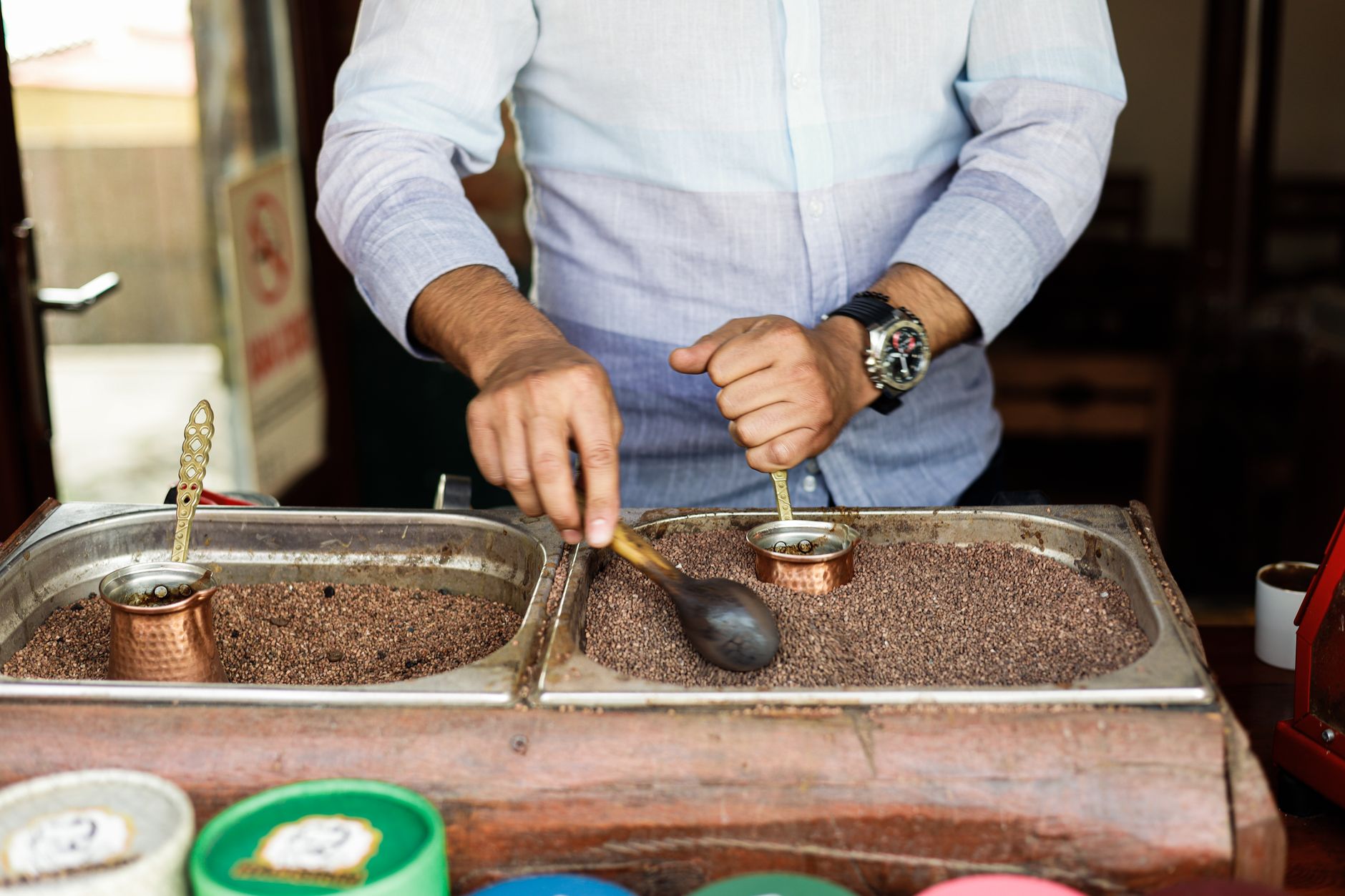
Beyond their aesthetic charm, these cafes maintain a slow-paced service ethos, encouraging guests to linger, chat, and decode the enigmatic fortune-telling ritual after the cup is finished. A small plate of lokum (Turkish delight) generally accompanies the beverage, balancing the coffee’s bitterness with a sugary burst — a pairing perfected over centuries.
When Coffee Meets Culture: A Taste of the Ottoman Past
Turkish coffee's journey to Istanbul dates back to the mid-1500s. Introduced by Ottoman diplomats returning from Yemeni campaigns, coffee soon became a social glue in the empire’s sprawling cities. The distinctive thick grind and preparation methods evolved here, setting Istanbul apart from other coffee cultures. At the Pierre Loti cafe overlooking the Golden Horn, the scene is set almost like a time capsule. I once chatted for over an hour with a local historian while watching the daily ritual: pour, simmer, pour again — each step loaded with precision and respect.
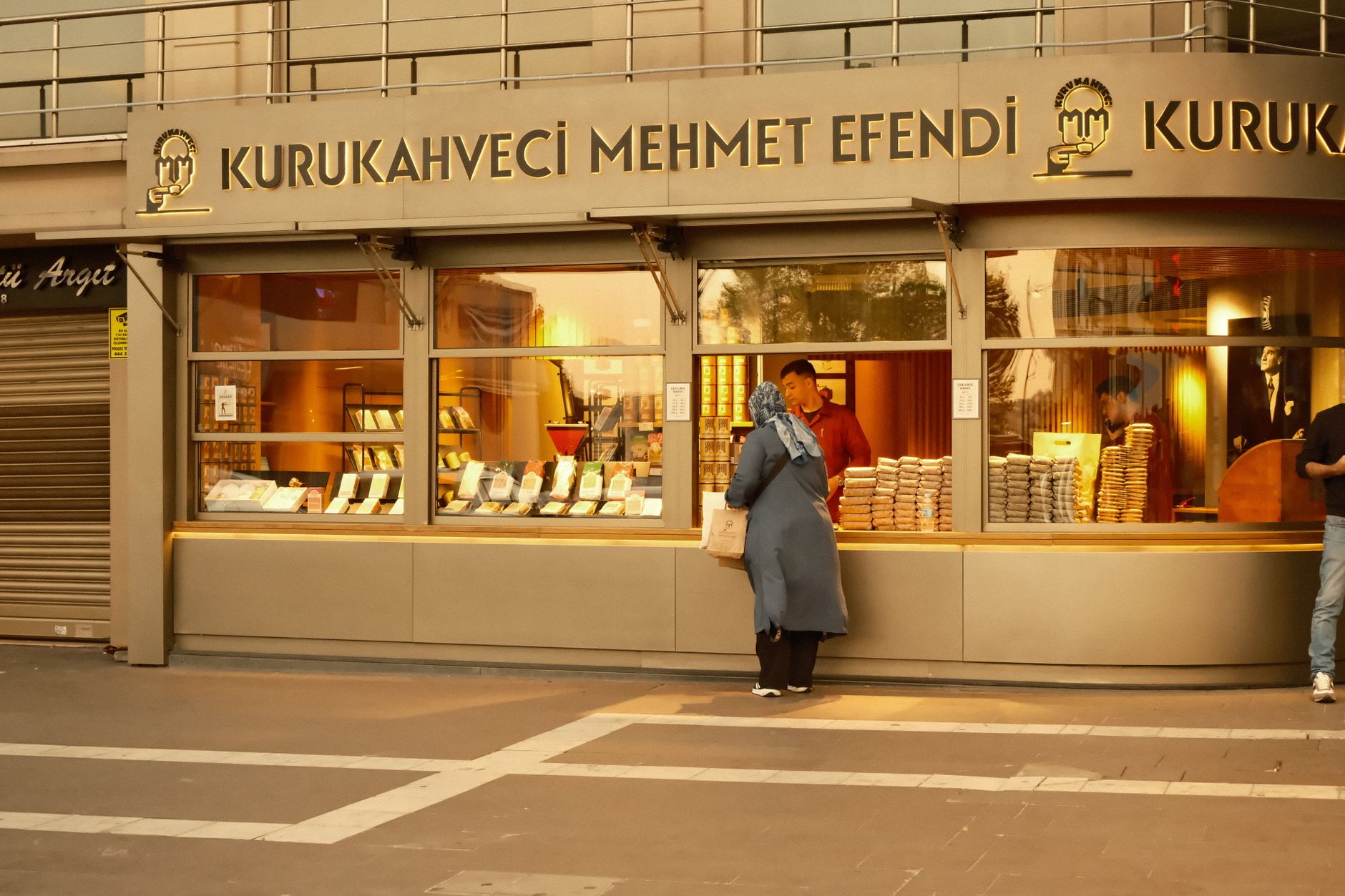
The tradition of coffeehouses in Istanbul was revolutionary. Far from being mere spots to grab a drink, they became places where poets, scholars, and revolutionaries met — sometimes whispered plans for reform over the faint clink of coffee cups. The Ottoman sultans themselves were sharp coffee connoisseurs; Sultan Suleiman the Magnificent reportedly declared that a palace without coffee was akin to a night without stars. You can sense this in the old haunts around Sultanahmet, where patrons still sit cross-legged on carpets, cups cradled in their hands, discussing everything from politics to poetry.
More Than Just a Drink: The Ritual and the Reading
A significant part of the Turkish coffee experience is not the drink itself but what happens after the last sip. The grounds, left thick and unfiltered at the bottom of the cup, become a canvas for fortune-telling — known as fal. I remember guiding a curious couple through this tradition in a small cafe near Galata Tower. The barista gently inverted their cups onto saucers, then intently inspected the patterns formed by the sediment. The silence that followed was filled with anticipation as she interpreted mythical animals, hidden symbols, and abstract shapes that, according to lore, hinted at futures yet to come.
This practice remains a beloved pastime among locals and visitors alike, adding layers of mystique to the coffee culture that bookstores and guides rarely emphasize. Engaging in fal highlights the social dimension of coffee — it’s an art form that blends superstition, storytelling, and a dash of playful skepticism.

Choosing Your Coffee Spot: Cracks in the Tourist Mold
While some cafes cater heavily to tourists, you can still find those unpretentious, family-run spots where the coffee is as strong as the neighborhood gossip. In Kadıköy, on the Asian side, one of my favorite discoveries was a small cafe tucked away on Bahariye Street. The owner shared stories about sourcing beans from local roasters in Gaziantep and roasting them on site, a practice that ensures flavor freshness that big chains simply can’t replicate.
Prices across Istanbul’s coffee houses vary widely. A classic Turkish coffee typically costs between 10-20 Turkish lira ($0.50-$1.00 USD), though venues with prime views or historic interiors can charge a bit more. Most places open early, around 8 AM, and remain lively until evening, though the quiet mornings hold a charm of their own for serious coffee enthusiasts.
Final Thoughts From Someone Who’s Been There
Having led countless walking tours focused on Istanbul’s culinary and cultural scenes, I always regard Turkish coffee as a perfect metaphor for the city itself: intricate, a little stubborn, deeply traditional yet surprisingly modern. If you find yourself in a small, dimly lit coffeehouse with the low murmur of conversation and the clatter of cezve on stove, take a moment to soak it in. Trust me, the coffee’s strong, but it’s the stories brewed alongside it that linger far longer.