Golden Hour on the Istanbul Historical Peninsula: Chasing Light and Shadows
First Light at Sultanahmet
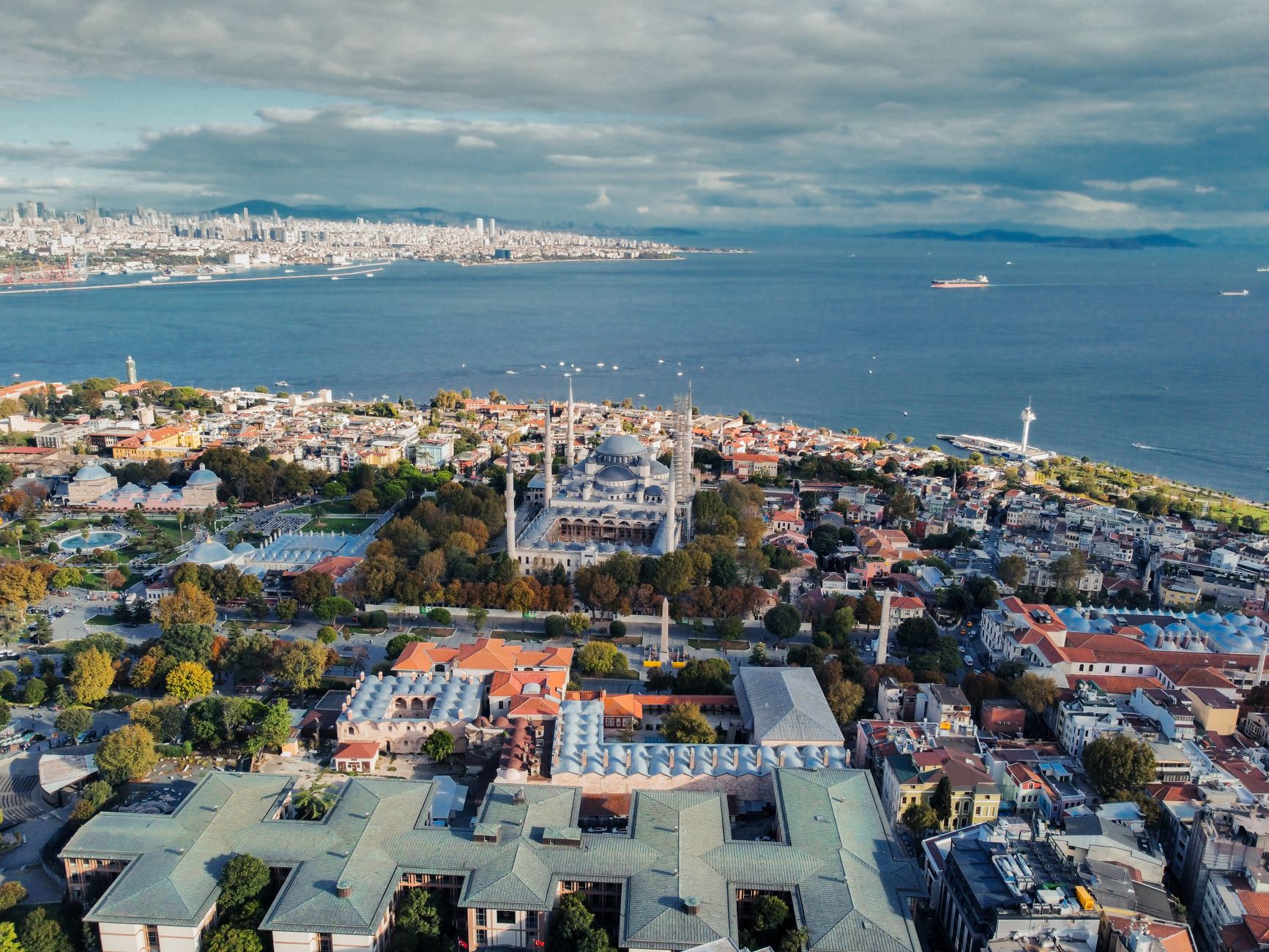
Arriving before dawn, the air is cool and the streets are quiet, a rare calm in a city that rarely sleeps. The Historical Peninsula unfolds slowly as the first golden rays spill over the domes and minarets, setting the skyline ablaze. The silhouette of the Hagia Sophia stands sharp against the gentle blush of the morning, its massive dome catching shafts of warm light that spill like honey over its faded stones. Early mornings offer a soft glow here, with shadows lengthening and every surface—whether marble or mosaic—catching the light differently. This is the hour my camera wakes: I prefer narrow apertures to catch every detail crisp and clear in the growing light, usually around f/11 to f/16.
Before sunrise, the square in front of the Blue Mosque is deserted except for the occasional early riser and stray cat. Street vendors setting up their wares, the faint smell of freshly baked simit, and the distant call of the seagulls create a still scene that feels almost private. I like to walk slowly, watching how the light creeps from one facade to the next, picking out textures and arches as shadows deepen. The uneven cobblestones absorb the first color, reflecting warm orange tones underfoot.

Light Painting the Forgotten Alleys
Beyond the main squares, the old quarters reward those willing to explore. Narrow alleys shaded by balconies and lined with aged stone walls become intriguing playgrounds of light and shadow. Around mid-morning, shafts of sunlight filter through tangle of wires and plants overhead, creating dramatic contrasts to chase with the camera. Here, the golden hour doesn’t just happen at sunrise or sunset; pockets of light can puncture the gloom throughout the day, especially during the low sun in autumn or winter. I often switch to a faster shutter speed to freeze these fleeting moments, capturing rays bouncing off worn surfaces and glinting glass.
The streets around the Grand Bazaar throb with life but also clutter. Avoid rush hour and head there mid-morning or late afternoon when there are fewer tourists jostling. As you slip down side passages, you find quieter spots brimming with character: wooden shutters chipped by decades of sun and rain, cracked tiles on shop thresholds, and vendors quietly arranging their spices and textiles. The smells of ground coffee and dried herbs make a subtle but consistent backdrop, which seeps into the photographs even though cameras can't capture scent.
Waterfront Glow at the Eminönü Pier
By late afternoon, light softens as the Golden Horn reflects the fading sun’s warm tones. The waterfront near Eminönü offers a complex play of reflections between old ferries, fishing boats, and the mosques crowning the hills behind. I like to set up on the pier just before sunset, when the water glitters and the silhouettes of fishermen lean against the railings. This is a good time for slower shutter speeds and experimenting with filters to soften harsh reflections or intensify colors, depending on the conditions.
Be mindful that weekends bring crowds aboard the ferries and along the waterfront promenades, which can make tripods tricky to use. On weekdays, and especially in the shoulder seasons, the throng thins, giving more room to compose shots deliberately without interference. This is where I often linger until dusk, capturing the gradual dimming of city lights and the glowing windows of cafes and shops springing to life.
Surviving Rain and Crowds
The weather on the Peninsula fluctuates. Rain can turn the streets slippery but adds atmosphere to images with reflections and brooding skies. I carry a lightweight rain cover for my gear; water droplets on lens filters sometimes create accidental but striking effects. During wet days, indoor spaces like the Rustem Pasha Mosque with its intricate Iznik tiles or quiet corners in the Archaeology Museum provide texture and color without battling crowds.
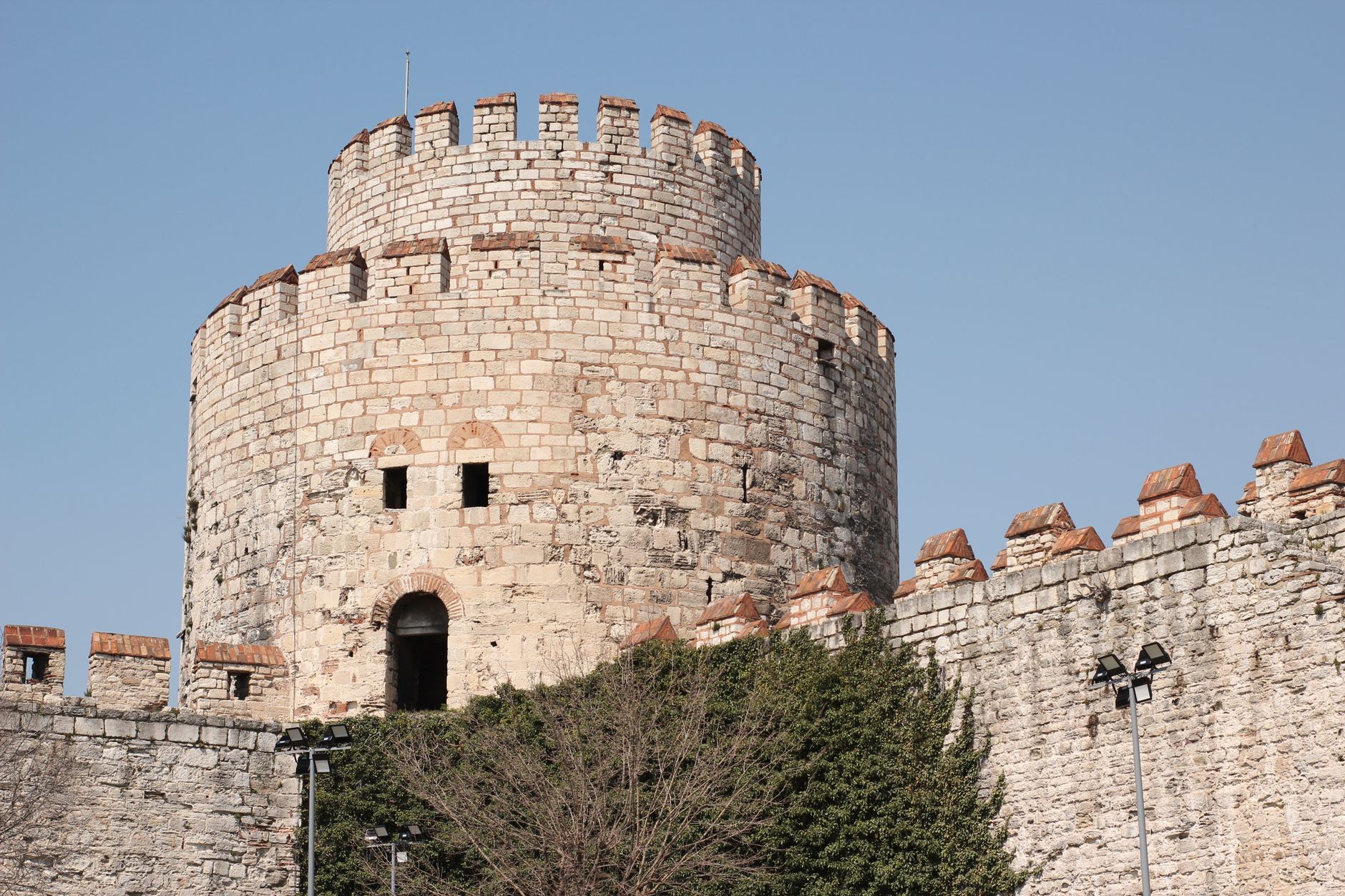
Speaking of crowds: the Historical Peninsula can be dense with visitors, especially midday and around midday prayer times. If you crave solitude for photos, target early mornings or late afternoons on weekdays. Escaping to less trafficked spots, like the walls along the Sea of Marmara or the quieter stretches near the Süleymaniye Mosque, sometimes rewards with open views and breathing space.
Camera Settings and Final Thoughts
My go-to lens here is a 24-70mm f/2.8—versatile for both sweeping cityscapes and tight architectural details. I typically shoot RAW to preserve textures and manage exposure in post. Golden hour light here can shift dramatically within minutes, challenging but invigorating. The best images come from patience and keeping an eye on the shadows dancing over every surface.
The Istanbul Historical Peninsula is a landscape of contrasts: light and dark, old stone and lively streets, open skies and narrow alleys. Capturing it depends as much on timing and weather as on technical skill. For photographers hungry to chase light and shadow across ancient urban fabric, this place offers endless variations and moods.