Exploring the Hippodrome of Constantinople: A Private Perspective on an Ancient Arena
Arriving in Style to an Ancient Venue
Your visit to the Hippodrome of Constantinople begins with a private transfer through Istanbul’s lively streets, avoiding any traffic delays and ensuring a comfortable, personalized arrival. The Hippodrome, once the social and sporting center of Byzantine Constantinople, occupies an elongated rectangular space in what today is Sultanahmet Square. As your chauffeur drops you off nearby, the setting invites a reflective stroll through layers of civic life, where emperors and citizens once gathered.
The site itself no longer contains its original structures in full, but the scale and placement allow you to appreciate its former role as a chariot racing arena and forum. Nearby, the Blue Mosque, Hagia Sophia, and the Basilica Cistern dramatically frame this public square, lending a contextual richness that is rarely matched elsewhere in Istanbul. Starting your exploration here, you will find how the urban fabric still preserves the spirit of past public spectacles.
The Essentials, Handled—Logistics and Access
Thanks to an efficient private transfer, your entrance to the Hippodrome site can include VIP access where possible, bypassing standard queues almost unheard of during peak hours. Opening hours usually run from 9:00 AM to 5:00 PM, with last admission around 4:30 PM, though it’s wise to confirm in advance as schedules can change. Pricing is modest, typically under 50 Turkish Lira for adults, with reduced rates for seniors and children.
Having your own driver means you avoid navigating the busy tram and taxi lines around Sultanahmet, leaving more time to absorb the site’s sprawling open-air museum character. Comfortable walking shoes are recommended as the uneven cobblestones and grass patches mark where ancient stands and tracks once sat. Having a local guide accompany you can bring to life the stories carved into the obelisks and monuments, including the Egyptian Obelisk, the Serpent Column, and the Walled Obelisk, each with their own epochal tales.
Exploring the Hippodrome’s Ambiance and Artifacts
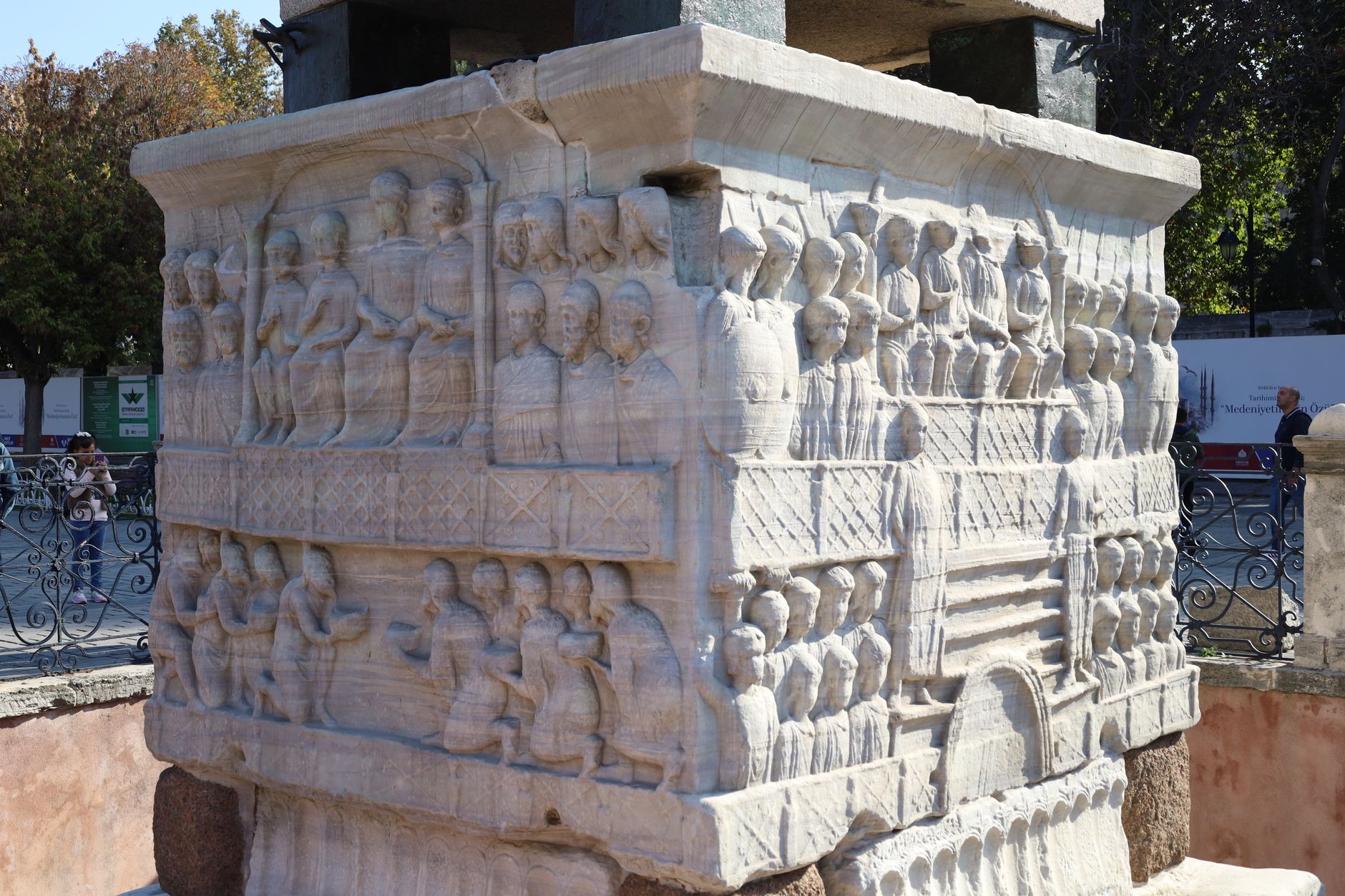
Walking along the perimeter, you can imagine the roar of crowds during chariot races, which could host tens of thousands at a time. The oval shape, measuring approximately 450 meters long and 130 meters wide, is defined by the placement of surviving monuments, each originally serving as a focal point for spectators. The Egyptian Obelisk, raised in 390 AD by Theodosius I, still displays intricate carvings depicting victorious campaigns.
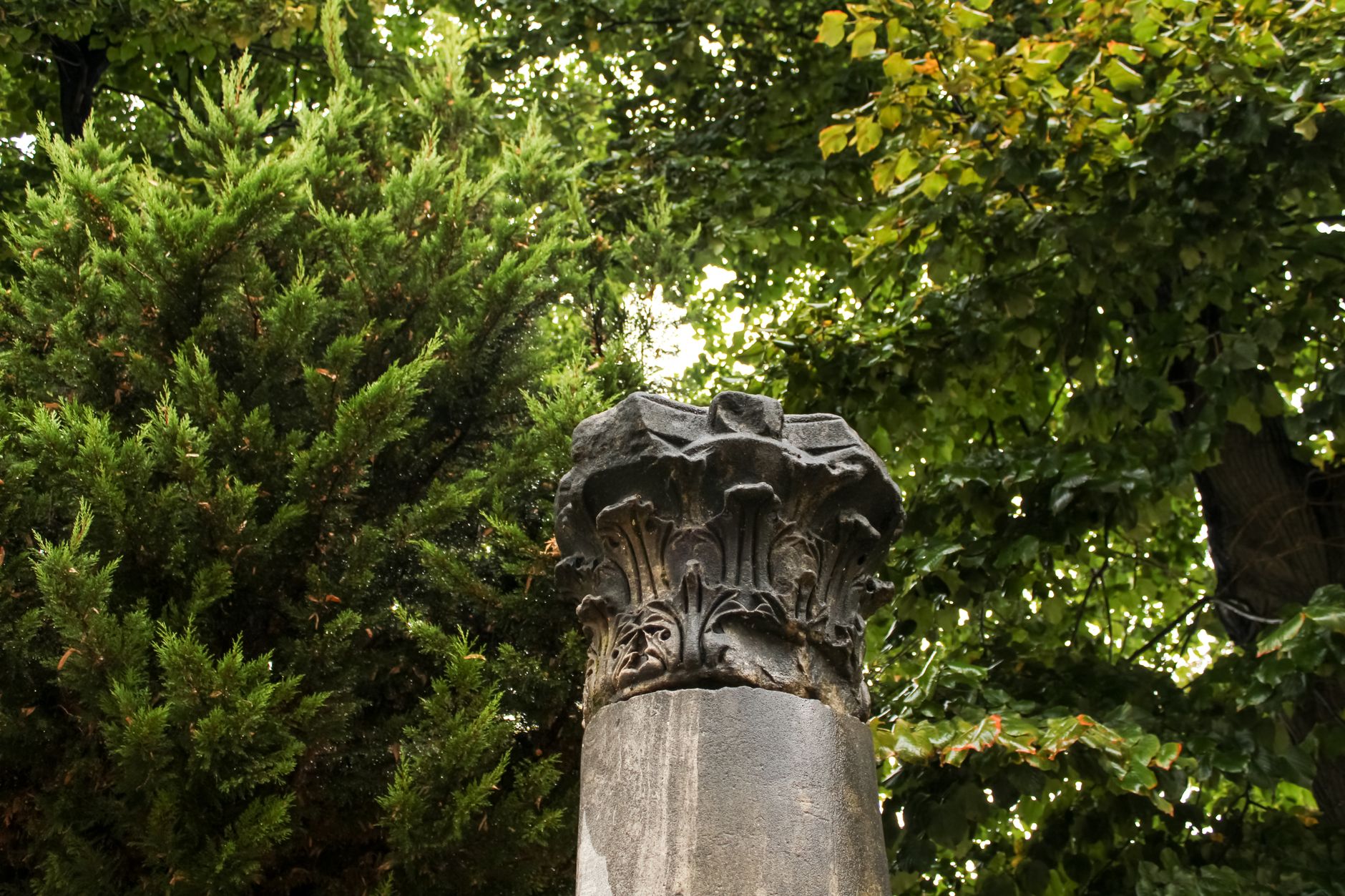
The Serpent Column, relocated from Delphi, bears prominent Bronze snakes twisting upwards, symbols of an ancient Greek victory over the Persians. The Walled Obelisk, though heavily damaged, hints at the grandeur of the original stone-clad monument in the center of the spina—the dividing barrier between chariot lanes. Considering these elements together provides a tangible sense of how the Hippodrome was much more than mere entertainment; it was a place where political power, religious symbolism, and popular culture intersected.
An Afternoon Itinerary: Extending Your Privileged Visit
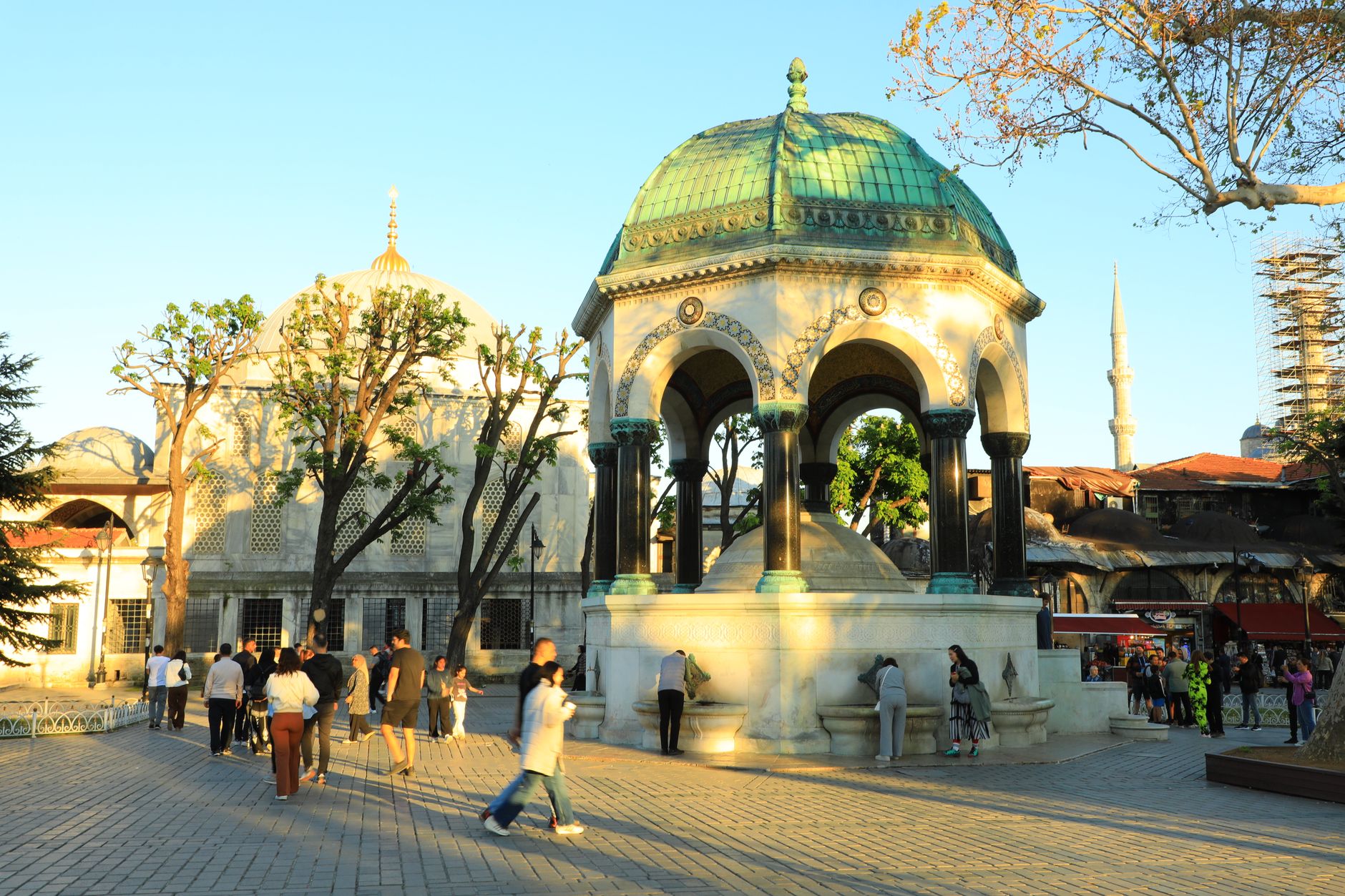
After immersing yourself in the Hippodrome site, continuing your day with nearby landmarks enhances the context and enjoyment. The adjacent Sultanahmet Park offers shaded spots to rest and reflect, punctuated by fountains and statues. With a private transfer waiting, you can take a brief drive to the Istanbul Archaeological Museums, roughly 15 minutes away, where artifacts unearthed from the Hippodrome and surrounding areas are on display.
Alternatively, a leisurely walking route leads to the historic Divan Yolu street, once part of the imperial procession path. Here, traditional cafes and artisan shops remain open well into the evening, ideal for sitting down with a meticulously prepared Turkish coffee or local delicacy. Your guide can arrange reservations to avoid wait times, ensuring that every moment between stops upholds the standard of comfort and ease.
Final Notes on VIP Experiences and Insider Insights
Enjoying the Hippodrome in this manner allows for an undistracted focus on details often overlooked—like the worn stone where imperial banners once hung or the subtle layout of the spina that dictated the thrilling dynamics of chariot races. Exclusive access to private collections or archives can sometimes be arranged by advanced appointment, useful for those interested in Byzantine art or archaeology.
Given Istanbul’s often crowded tourist sites, having a trusted private transfer service removes much of the unpredictability from your day. It also provides the flexibility to linger at the Hippodrome or move on according to your interests and energy. This combination of logistics and a textured visit is what transforms a simple walk through Sultanahmet Square into a deeply engaging exploration of one of Constantinople’s formative civic centers.