A Day on Heybeliada: An Insider’s Look at Istanbul’s Serene Island Escape
A Morning Rendezvous at Heybeliada’s Dock
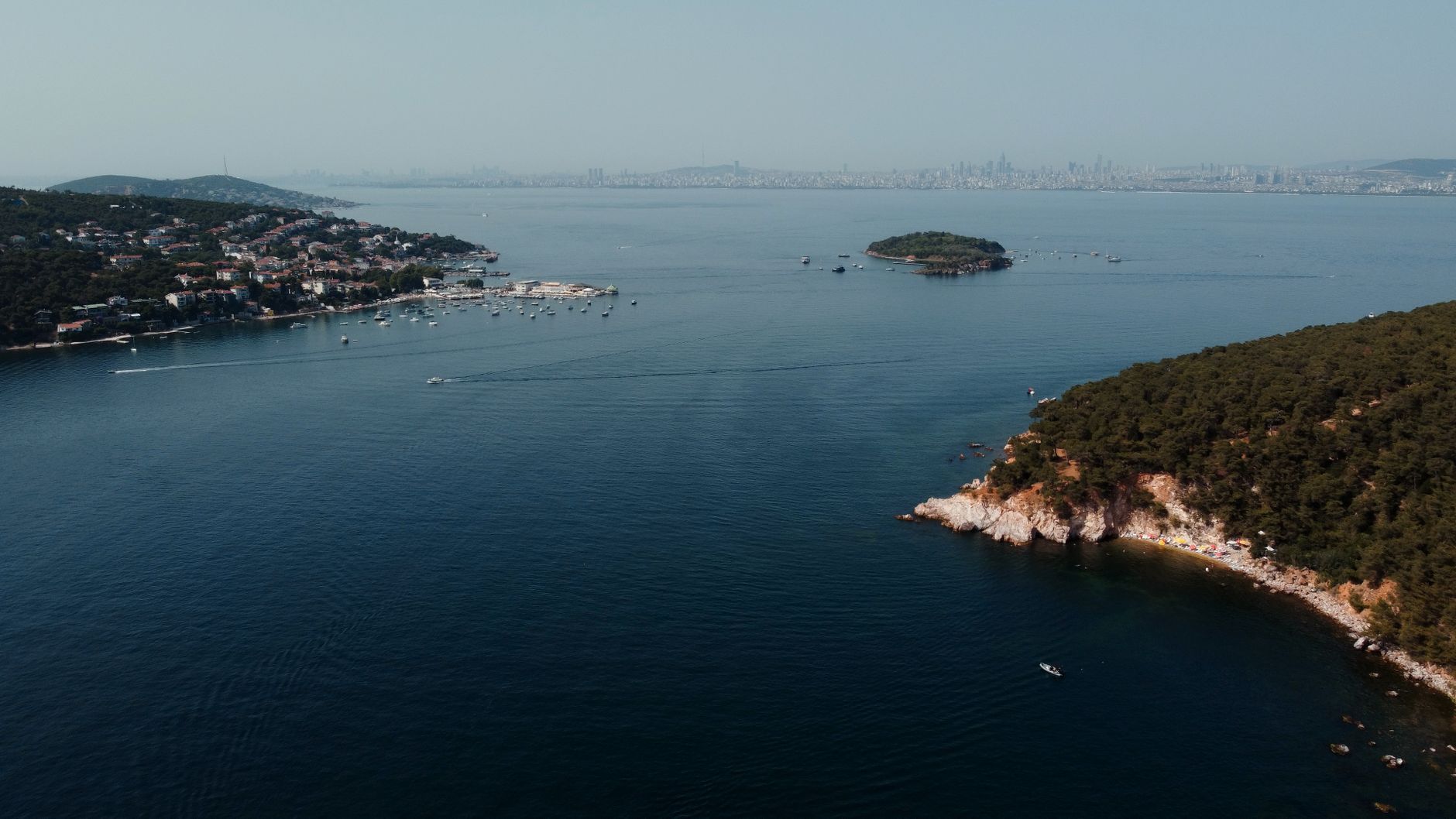
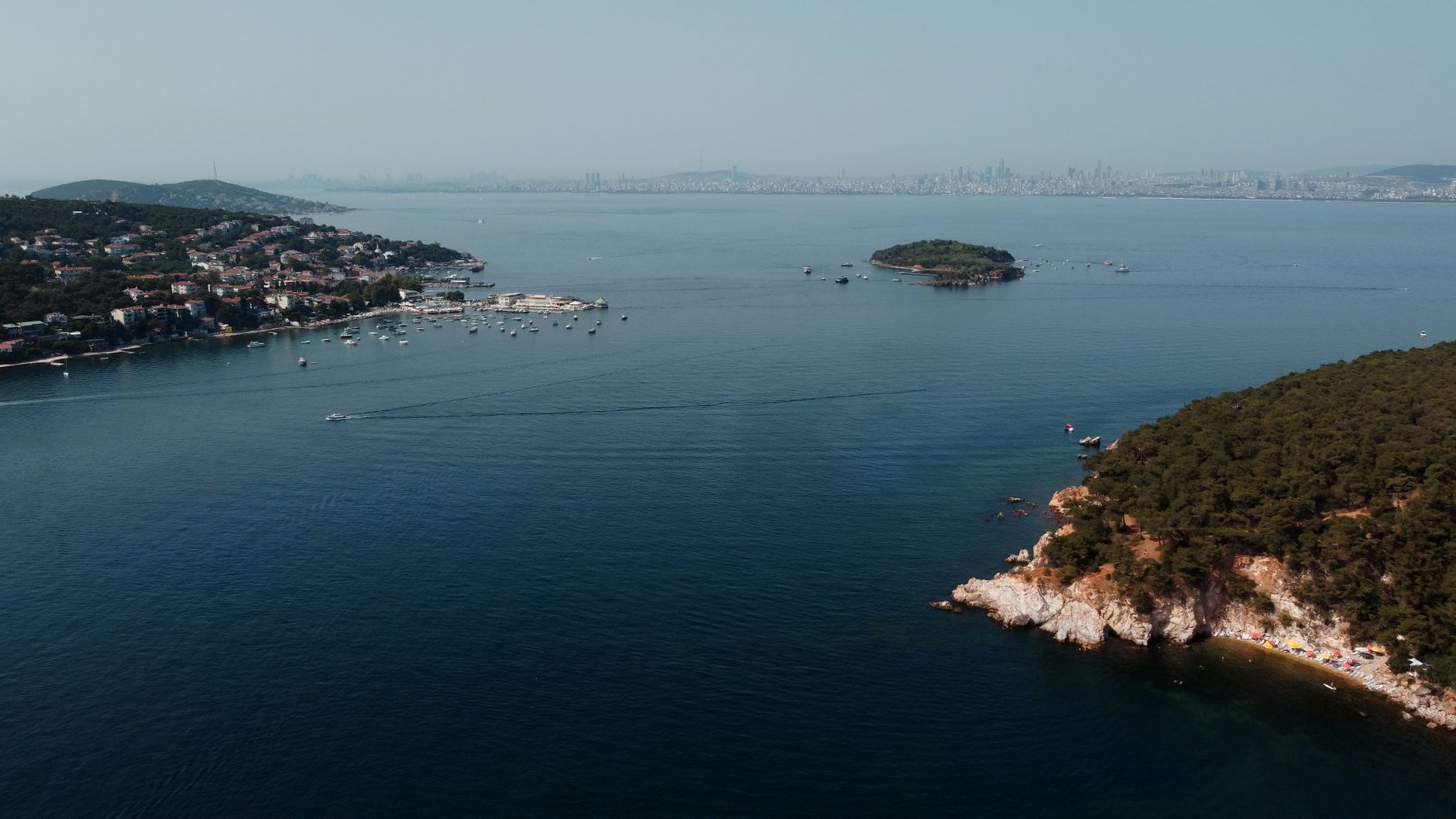
It was a crisp spring morning when I first took a group of visitors to Heybeliada, the second largest of Istanbul’s Princes’ Islands. The ferry pulling into the dock on Heybeliada’s eastern side announced our arrival with the chime of its bell and the gentle slap of waves against the pier. I vividly recall the expressions of joy—or relief—on their faces as we stepped off, leaving behind the city’s roar. The slow rhythm of this island, free of cars and engulfed in the scent of pine, was immediately palpable.
Heybeliada, whose name translates to "Saddle Island" because of its shape, has long been a retreat for locals seeking respite and artists drawn to its light and calm. My latest group was intrigued by the mix of Ottoman-era wooden mansions and the Byzantine relics sprinkled across its hills—a contrast that kept conversations lively during our walks.
Tracing the Archipelago’s Human Footprints
The island’s oldest buildings often tell tales that are not spelled out in guidebooks. The Halki Theological School, formally the Theological School of the Holy Cross, is one such place. Founded in 1844 and perched on the island’s northwest side, this private seminary was once the Orthodox Church's main institution of theological education. I remember climbing the steep pathway leading up to the school, passing rows of ancient cypresses and then pausing to catch a glimpse of the Sea of Marmara through the classroom windows. The building's neoclassical style, combined with the lively chatter from the local students of the 19th century who once bustled here, still lingers in the air.
Walking away from Halki, the island’s Ottoman and Greek influences intertwine visibly. Old wood-framed houses with painted shutters are scattered among modern structures, some with wrought-iron balconies that have seen decades of summer evenings. I always point out the faded Ottoman-era inscriptions above doorways and delight in recounting the stories behind families that have called Heybeliada home for generations.

What the Guidebooks Tend to Skip
While most visitors focus on Heybeliada’s serene boulevards and the no-car policy that makes cycling and horse-drawn carriage rides enjoyable, there are lesser-known aspects worth attention. One of these is the abandoned Çam Limanı (Pine Harbor) area, which, with its old dock and crumbling warehouses, serves as a reminder of the island’s past as a commercial stop. I find this spot particularly quiet early in the morning, when the golden light filters through the pines and the only sounds are seabirds and the occasional creak of weathered wood.
The island also has a quirky cultural footprint. For instance, many visitors don't realize that Heybeliada was a regular summer home to İsmet İnönü, Turkey’s second president and wartime prime minister. The house, located near the main town, is closed to the public but still garners attention from history enthusiasts like myself. Its modest façade contrasts sharply with the grand political legacy of its former occupant.
Timing Your Visit to Savor Quiet Corners
One of my personal tips is to arrive early, especially on weekdays in the spring or fall, when the ferry is less crowded and the island’s layered narratives come alive without interruptions. Afternoon visits in summer can be more challenging because of tourist traffic and the lively café culture that takes over the waterfront. Yet, even then, I find the uphill streets leading to monasteries and small chapels often remain peaceful enough for quiet reflection.
On my last tour, I led my group to the Aya Triada Monastery, a Greek Orthodox monastery with a well-preserved courtyard and a small museum. We spent nearly an hour there, marveling at the stonework and classic Orthodox iconography. The tranquility was interrupted only by the soft murmur of bees and the church bells tolling midday. This spot, tucked away near the island’s pine groves, has a solemnity that contrasts with the sea’s shimmer visible a few hundred meters away.
The Island's Living Pulse
Even after numerous visits over the years, Heybeliada never loses its charm for me. Each street corner whispers fragments of stories—of fishermen, monks, aristocrats, and ordinary islanders living lives shaped by the ebb and flow of the Sea of Marmara. The island has an odd way of slowing your pace, inviting you to linger at the small bakeries, take the long route to the highest viewpoints, and listen closely to the village elders recounting tales of old.
Heybeliada remains one of those places where Istanbul’s layered past and ongoing life meet quietly, without the need for grand statements. I find myself returning time and again, delighted to lose myself in the subtle shifts between past and present, the wooden balconies and weathered stone, the scent of pine mingling with the sea air.