A Local’s Take on Hagia Sophia: More Than Just a Sight in Istanbul
Hey there! If you’re planning to visit Hagia Sophia and want to experience it like someone who lives just around the corner, you’re in the right place. I’ll walk you through not only the iconic building itself but also some spots nearby that usually fly under the radar. Let’s start with how to approach the place without getting caught up in the crowd hustle.
Start with the Neighborhood: Sultanahmet Square & Surroundings
When you arrive in Sultanahmet, rather than diving straight into the main entrance lines of Hagia Sophia, take a moment on Alemdar Caddesi. This street is less chaotic early mornings and has some quietly excellent cafes serving strong Turkish coffee and simit—perfect fuel before going indoors. Look out for Sultanahmet Köftecisi Selim Usta, a spot locals hit for affordable and filling meatballs a quick walk off Alemdar Caddesi. Grab a simit and tea here and soak up quiet street vibes. It’s an easy way to get a small taste of everyday life before the tourists flood in.
Inside Hagia Sophia: What I Always Tell First-Timers
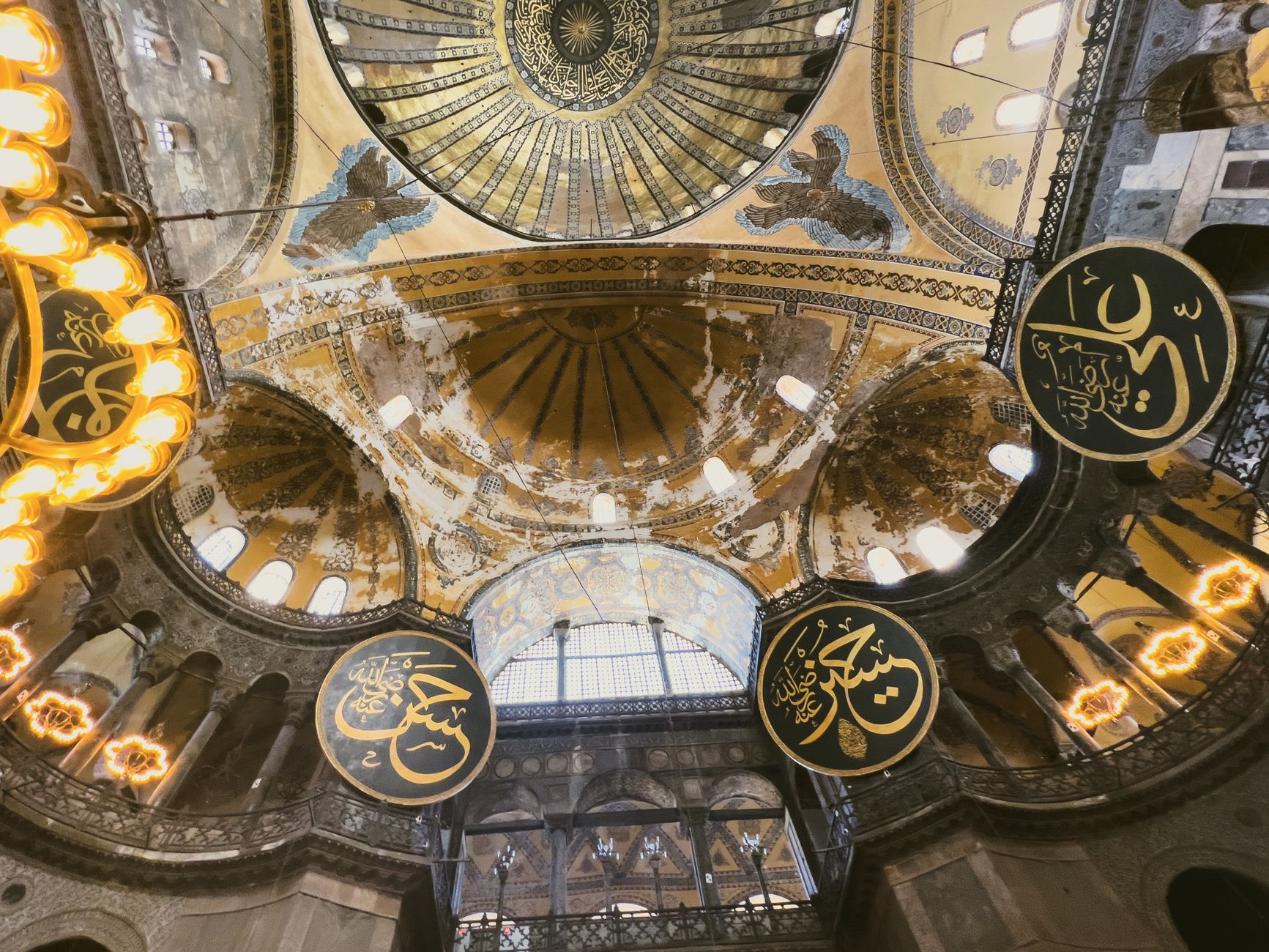
Most first-timers get dazzled just looking at the sheer scale of Hagia Sophia’s dome. But take your time to notice how the light changes during the day inside. If you can, aim to visit mid-morning when sunbeams angle through the upper windows and highlight mosaics that are easy to miss in the dimmer afternoon. Nearby one of the pillars, there’s a spot where you can see the ancient calligraphic medallions; many tourists glance over these, but locals know to pause here and watch how the patterns and golden hues shift depending on your viewpoint.
If you want to avoid waiting in long lines, try a midday lunch then return late afternoon, when entrance lines shrink, and the atmosphere feels calmer. Audio guides are a good idea to rent, especially from the small kiosk near the exit, where you get detailed context without scanning through phone apps. The guide will point out curious things like the slight tilt of the dome and the way Christian and Islamic elements are layered throughout the interior.

The Corner Where Locals Grab a Quick Bite and Chat
Right down the street at Divanyolu Caddesi there’s a small bakery called Firin Sarayı where locals stop for freshly baked tahini and walnut rolls. It’s just a few blocks west of Hagia Sophia and past the tram stop at Sultanahmet. If you’re after something simple and less touristy, try their poğaça, a soft savory pastry. You might find some Istanbul residents popping in with their daily bread orders—they’re happy to share what else to try, so don’t be shy striking up a conversation.
Side Streets and Secret Corners
For a more hands-on local experience after visiting Hagia Sophia, take a detour to At Meydanı, the small square where Istanbul’s old hippodrome once stood. It’s just a five-minute walk, and you’ll find street vendors selling fresh-pressed pomegranate juice (perfect for the warm days). Also, check out the narrow lanes that branch off from Yerebatan Caddesi; many have tiny antique shops and local craft stores that escape most travelers’ attention. You’ll often hear a friendly “merhaba” from shop owners keen to negotiate prices or share a quick history of their craft.
How to Make the Most of Your Visit Without Burning Out
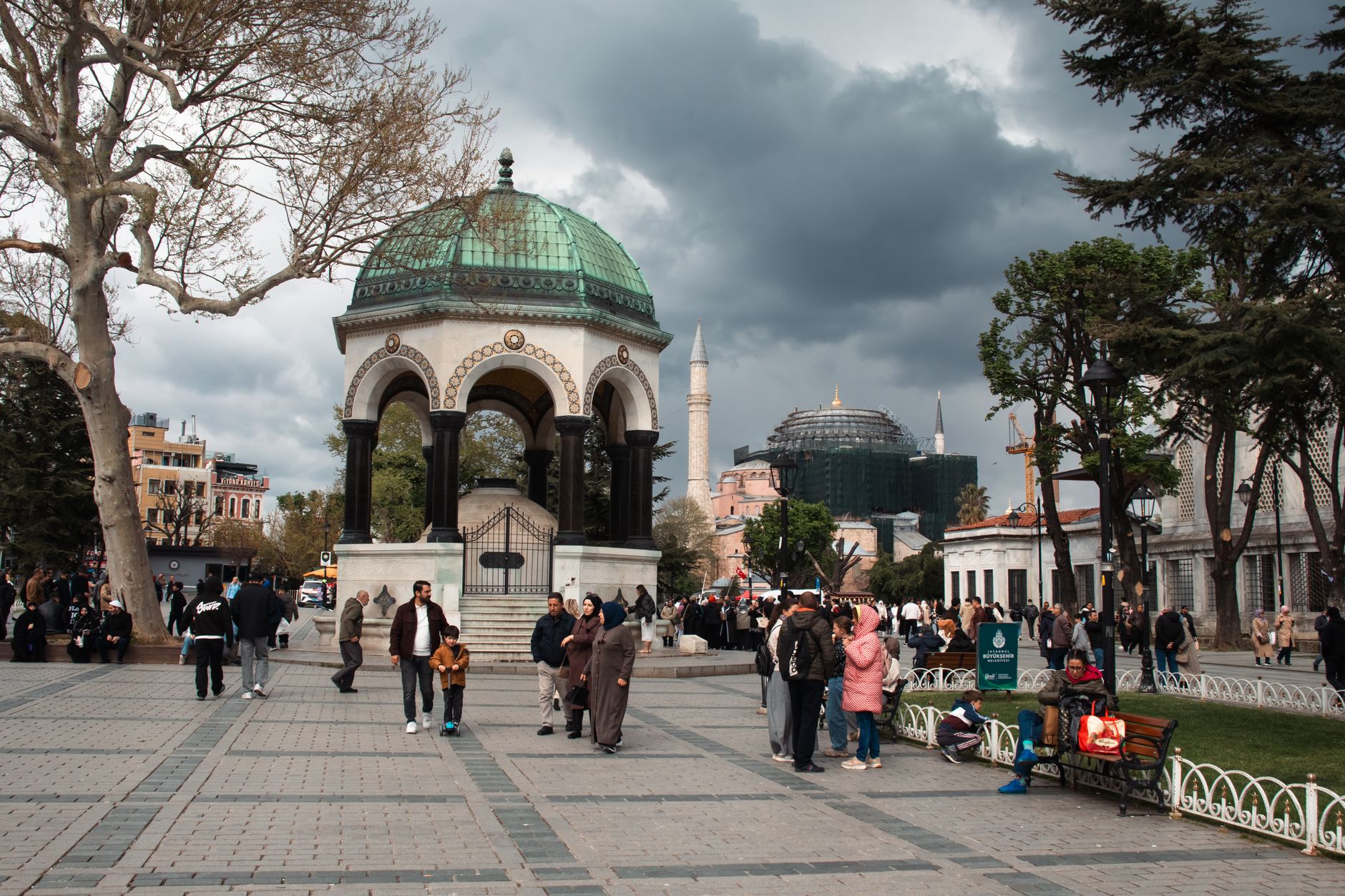
My tip for pacing yourself is to combine your Hagia Sophia visit with a slow stroll to Gülhane Park, right behind the museum complex. After the busy interiors, the park’s wide pathways and shaded benches help settle your thoughts and give you a break from the constant hustle. Grab a çay (Turkish tea) from any of the park’s small kiosks and watch families and couples go about their afternoon. It’s a nice way to digest everything you've seen inside Hagia Sophia and soak up local daily rhythms.
Finally, if you want a quiet evening meal close by, try Cankurtaran Mahallesi—just south of Hagia Sophia, where several small, family-run restaurants serve fresh seafood at reasonable prices. I usually avoid the main tourist traps here and opt for places with locals sitting down on folding chairs, tucking into grilled fish and rakı. No tourist menus, just straightforward, fresh dishes.
Getting to Hagia Sophia is easy via the Sultanahmet tram stop, but keep in mind that early mornings and late afternoons are the best times to dodge crowds. Wear comfortable shoes; the cobblestones around this part of Istanbul can get slippery if wet. And don’t forget your camera, but also take time to look up, down, and sideways—there’s much to notice that photos won’t catch fully.