Inside the Labyrinth of Istanbul’s Grand Bazaar: Stories, Secrets, and Surprises
On one of my first tours at the Grand Bazaar, a group of bewildered visitors asked me how this maze of nearly 5,000 shops had managed to stay alive and buzzing for centuries. I remember standing near the Nuruosmaniye Gate, where the scent of spices mixed with new leather goods and the chatter of artisans crafting jewelry. The surreal mix of old Ottoman-era archways and the explosive color of modern storefront signs captured that duality perfectly. But it’s the Bazaar’s character — the hustle, the narrow alleys, the unexpected architectural twists — that most take time to really grasp.
A walk through lanes paved with stories
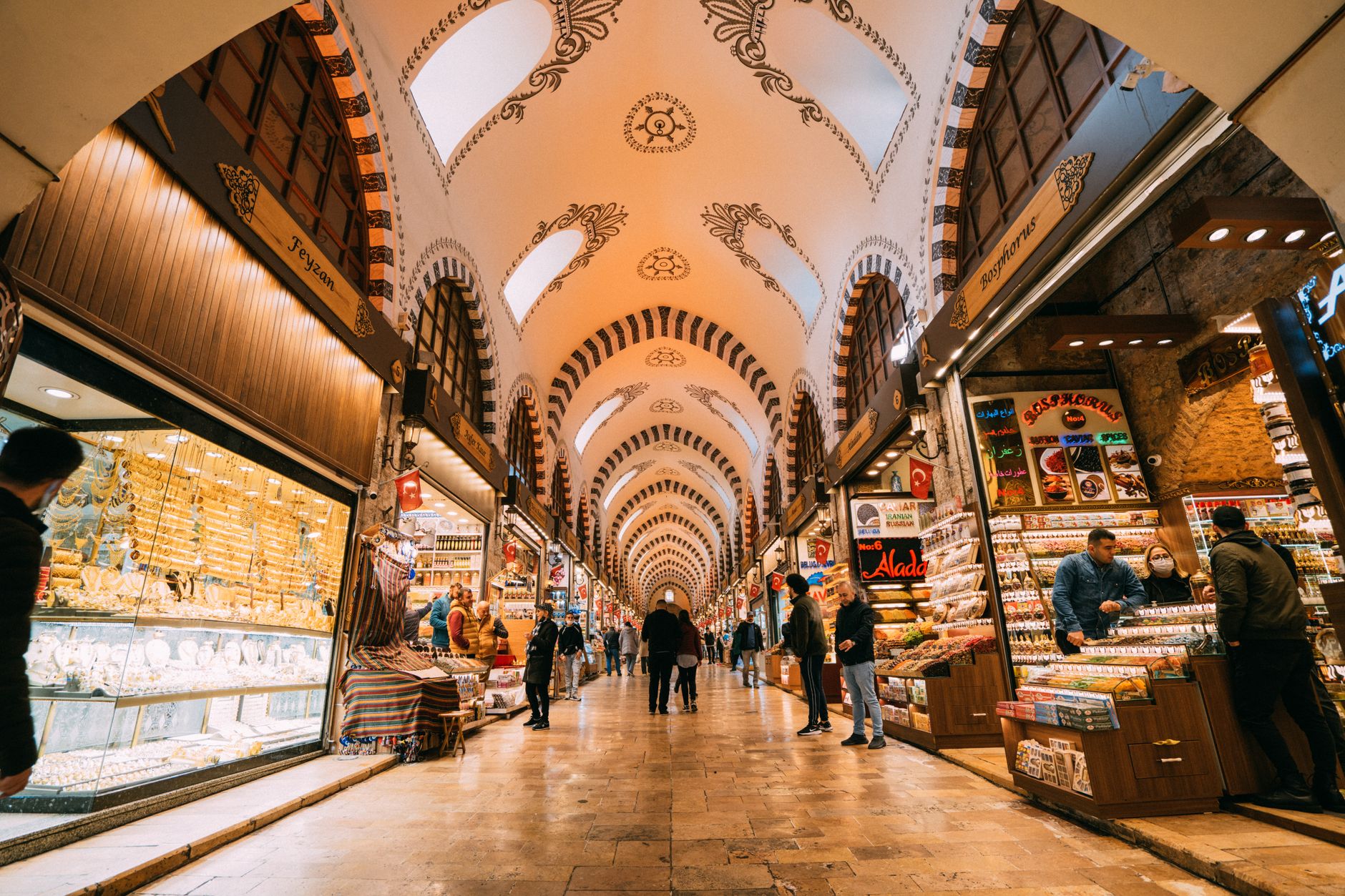
Entering the Grand Bazaar is like stepping into a bustling city within a city. The market was constructed between 1455 and 1461 by order of Sultan Mehmet II, shortly after he conquered Constantinople. Those first wooden stalls have long since been replaced by solid stone and vaulted ceilings that bear the marks of multiple restorations after devastating fires and earthquakes. What always amazes me is the series of domes and arches overhead, each telling a tale of resilience and adaptation. The intricate arabesque decorations contrast against the practical ironwork supporting the roofs, offering a daily lesson in Ottoman architectural pragmatism.
Walking down streets like Hacı Hanım Sokak or Demirciler Caddesi, you’ll notice how each area groups similar trades together—a tradition dating back centuries to guild organization. For example, the leather and fur merchants are clustered, their shops exuding a distinct muskier scent compared to the sweet air near the spice vendors. This methodical layout, developed long before Google, helped customers navigate a labyrinth that today can easily overwhelm even the most prepared visitors.

When the crowds grow thick: finding calm amidst chaos
One of my ongoing pet peeves is the mid-afternoon stampede of tourists during weekends and holidays. The narrow alleys get packed, making it difficult to enjoy the architecture or chat with shopkeepers. My advice? Arrive on a weekday morning just after the doors open at 9 AM. The Bazaar feels almost like a quiet village then, with shopkeepers polishing goods and chatting quietly while preparing for the day. Early visits also let you spot some striking Ottoman-era details often obscured by crowd noise later on, such as the signs bearing ancient inscriptions or benches where tired tradesmen once rested.
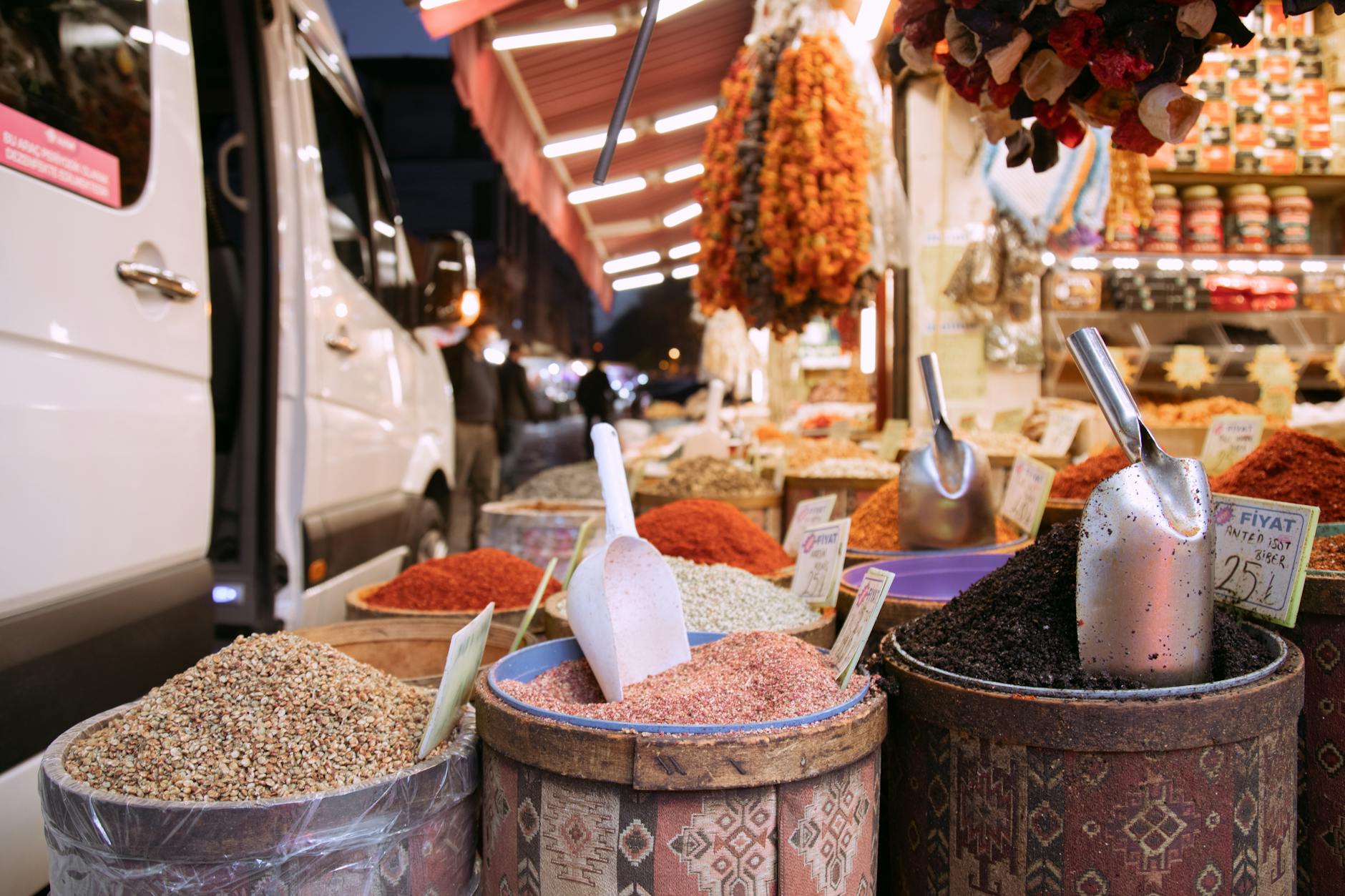
Another trick I’ve learned over the years is to pause at the small cafés tucked away in less traversed streets. I often stop at the Kurukahveci Mehmet Efendi café near the Çarşı Mosque for a strong cup of Turkish coffee that has been served to generations of merchants. Sitting there watching the slow awakening of the market while savoring a bitter-sweet sip connects me to the deep rhythms of this place—something no guidebook images can replicate.
Beyond the shopping bags: stories behind the stalls
Everyone talks about bargaining here, and yes, it’s often expected to haggle the price down by 10-20%, depending on the item and your skills. But behind every shop lies a story. One leather stall on the eastern side caught my attention years ago through the window display of aged saddle bags and riding boots. The owner, a third-generation craftsman, explained how his great-grandfather supplied saddles to Ottoman cavalry units. They maintain those traditional methods of tanning and stitching, which you can see reflected in the robust durability of their products. It’s moments like these, when history and personal legacy intersect, that make the Grand Bazaar more than just a market.
The stalls selling ceramics and tiles near the hand-painted Nakkaş Han also carry the lingering scent of centuries-old paint and kiln smoke. A glaze crack here, an unusual floral motif there — each piece can trace its lineage to famous Ottoman workshops from Iznik or Kutahya. Spotting a faint maker’s mark or a rare color palette often leads to conversations that last longer than any quick purchase.
The Bazaar’s shadowy past and surprising quirks
While many focus on the lively commerce today, the Grand Bazaar’s past holds shadows too. For example, did you know that the Bazaar once had quarters exclusively reserved for Jewish and Armenian merchants, reflecting the Ottoman Empire’s millet system? Although physical signs of these divisions are subtle now, some alley names and building facades hint at this social mosaic. On a recent stroll, I noticed an old synagogue repurposed into a café, its worn stone archway bearing barely legible Hebrew inscriptions — a quiet reminder of the market’s layered human tapestry.
Another curious detail is the way the Bazaar’s gates were designed not only for commerce but for defense. The gates, built with heavy iron doors, could be locked at night to protect the merchants’ merchandise from potential theft or unrest. It’s fascinating to imagine how this commercial colossus played a role in Istanbul’s urban security strategy through centuries of change.
Whenever I end my tours, I often reflect on how the Grand Bazaar remains a living organism—its pulse shaped by merchants and visitors across epochs, yet forever adapting to the modern world. Despite the millions who pass through its gates each year, it still holds surprises and whispering corners that reward those who look closely. Next time you stroll its alleys, try to see it as a place where past and present don’t just meet—they argue, embrace, and dance in equal measure.