Golden Hour and Grit: A Day Exploring the Gallipoli Peninsula
Sharp Light, Sharper Memories
Early morning on the Gallipoli Peninsula is a study in contrasts. The sun edges over the Aegean, casting long shadows across uneven ground scattered with weathered memorials and rusted artillery. The air feels cold but clean — salty from the sea, but crisp from the morning breeze that sweeps over narrow paths and rugged cliffs. It’s not soft light you get here; it’s tough, direct, and unyielding, perfect for catching textures and details that tell a story without words.
The peninsula sprawls out just across the Dardanelles, a roughly four-hour drive from Istanbul, making it manageable as a day trip if you start early. Set your alarm for at least 5 a.m. to catch this hard-edge dawn. The stretch between Anzac Cove and Lone Pine is where the light plays best, especially when the sun peeks over the hills and lights up the scattered grave markers and remnants of trenches. I found my camera’s ISO at 200 with a wide aperture effective for frozen motion while retaining the sharp detail of stone and soil.
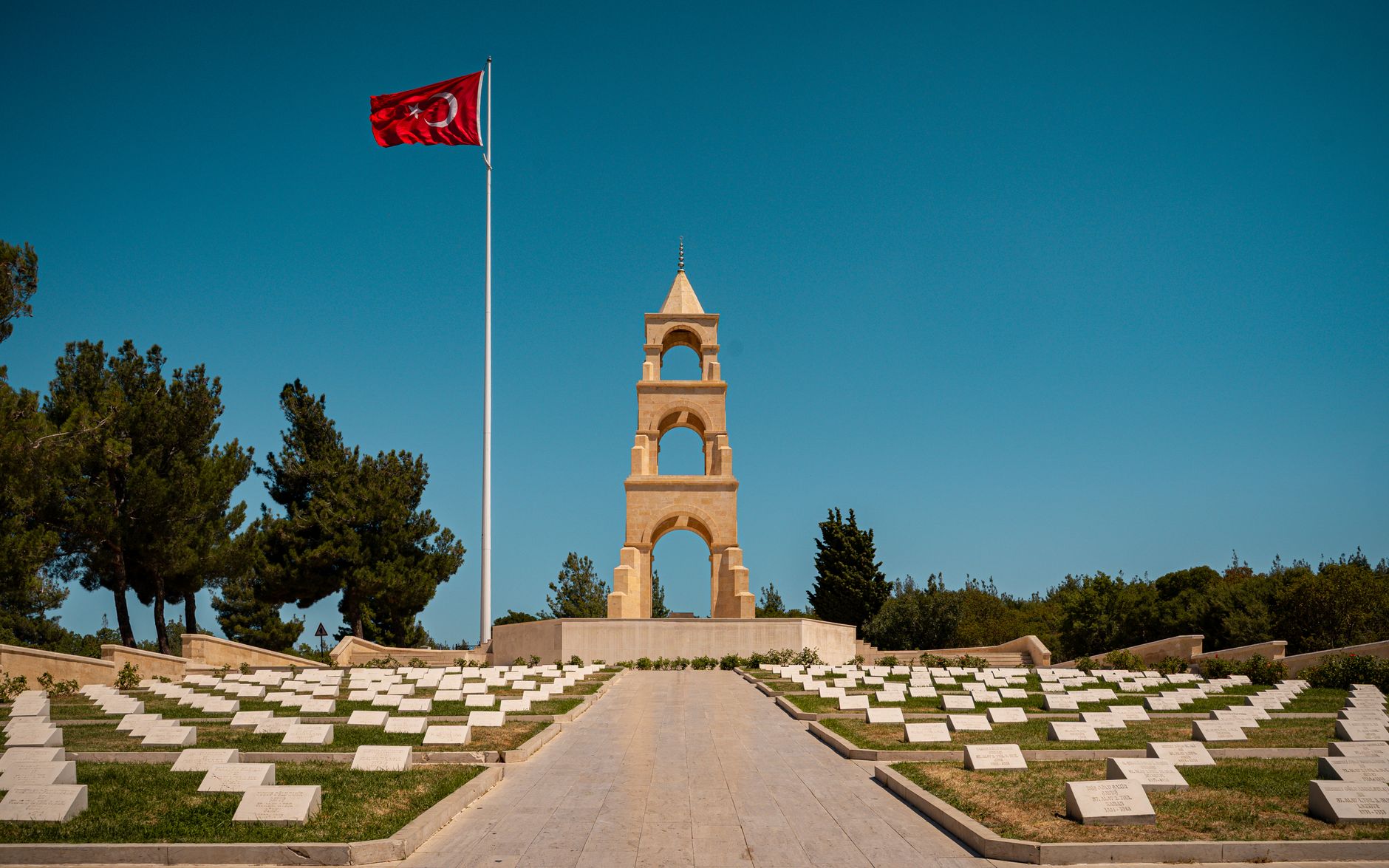
Tracking Shadows at Anzac Cove
Anzac Cove’s shoreline is narrow, flanked by steep hills that catch the sun just after seven. The hillsides still carry scars—deep trenches, crumbling walls, and shell-cracked earth. The ground here is uneven, littered with small stones and tufts of resistant grass, and the sea beyond sometimes mirrors the sky’s mood, shifting from glassy calm to restless swirl in minutes.
From a photographic standpoint, the light early in the day enhances the depth and contrast of these textures. I recommend a mid-range zoom to vary composition between wide-angle to include the sea and tight portraits of artifacts. On a clear day, you can use a polarizing filter to cut glare off the water, but if clouds crowd the sky, you’ll want to lift the exposure a bit to keep shadows from swallowing detail.
Be prepared for crowds after 10 a.m.—tour buses roll in, and the mood shifts. The quiet reverence of the morning gives way to families and groups, often pausing at memorials and information plaques. For that reason, staying relatively close to the shore and moving with the light will help you find shots unmarked by crowds.

Midday: Quiet Corners and War Stories
By midday, the sun sits high and harsh, washing out many details and flattening the landscape. This is when I suggest exploring some of the less prominent sites around the peninsula, like the Turkish memorials near Chunuk Bair or the narrow paths winding behind trenches toward Hill 60. These areas get less foot traffic and offer more shaded spots where the light softens through scattered trees and low-hanging branches.
The weather can shift rapidly here—winds pick up from the sea, sometimes rolling in low-hanging clouds or even a drizzle. On one visit, this moisture thickened the air, making everything feel muted and heavier in color. Instead of fighting it, I leaned into these conditions to capture the damp stone textures and the reflective surfaces of wet earth. Adjusting my camera’s white balance to cooler tones helped keep the mood somber yet rich.

Late Afternoon: The Glint on the Hills
Late afternoon is when the Gallipoli Peninsula transforms again. The sun lowers and catches the hillsides, turning the dry grasses to gold and throwing delicate shadows across the contours of the land. This is when the photography is richest—as the light softens and shifts angles, details pop in relief. I found that a polarizer combined with a narrow aperture helped bring out the interplays of light and shadow without losing texture in darker spots.
There’s a particular vantage point near The Nek where the battlefield’s ridges fold into the distance and the fading light catches the edges of remaining earthworks. Standing there, camera in hand, I felt the quiet weight of the place. It’s not touristy then; the crowds thin, and the only sound is the wind moving over the scrub, the distant lap of the sea, and the occasional call of a bird.
Remember—weather can be unpredictable, so if the afternoon clouds roll in thick and low, retreat to one of the small local cafes in Eceabat nearby. They offer shelter, Turkish black tea, and a glance at the peninsula from behind fogged windows. This downtime often leads to unexpected perspectives on what you’ve seen, as the mind sorts light, shadow, and story into a coherent whole.