Galata Tower: More Than Just a Tower in Istanbul
One crisp autumn morning a few years back, I was leading a small group up the winding streets of Karaköy when a little local cat decided we weren’t quite moving fast enough for her liking. It was precisely the kind of slow, meandering start you want before you reach Galata Tower. As we rounded the corner onto Galata Kulesi Street, rising before us was the tower itself—standing like an old sentinel over Istanbul’s southern skyline. My group’s eyes grew wide, not just at the height, but at the texture of those ancient stones—the layers telling countless stories, some nearly forgotten, some flamboyant.
From Genoese Beginnings to Ottoman Overhauls
Galata Tower's roots stretch all the way back to 1348, when the Genovese colony built it as part of their fortifications surrounding their quarter, called Galata. Originally named Christea Turris or the Tower of Christ, it wasn’t just a lookout—it symbolized Genoese power and European presence in a city dominated then by Byzantines. Over the centuries, Ottoman conquerors took the tower under their wing and repurposed it in intriguing ways, from a fire watchtower warning Istanbul’s residents of the frequent urban blazes to housing prisoners during the empire’s more turbulent episodes.
The tower’s structure reveals these layers: the thick stone walls about four meters at the base taper elegantly upward to a conical cap, which was added in the 19th century after the original wooden roof burned in 1794. It’s fascinating to stand at the tower’s base and think about the medieval masons whose precise stonework has lasted through sieges, earthquakes, and fires.
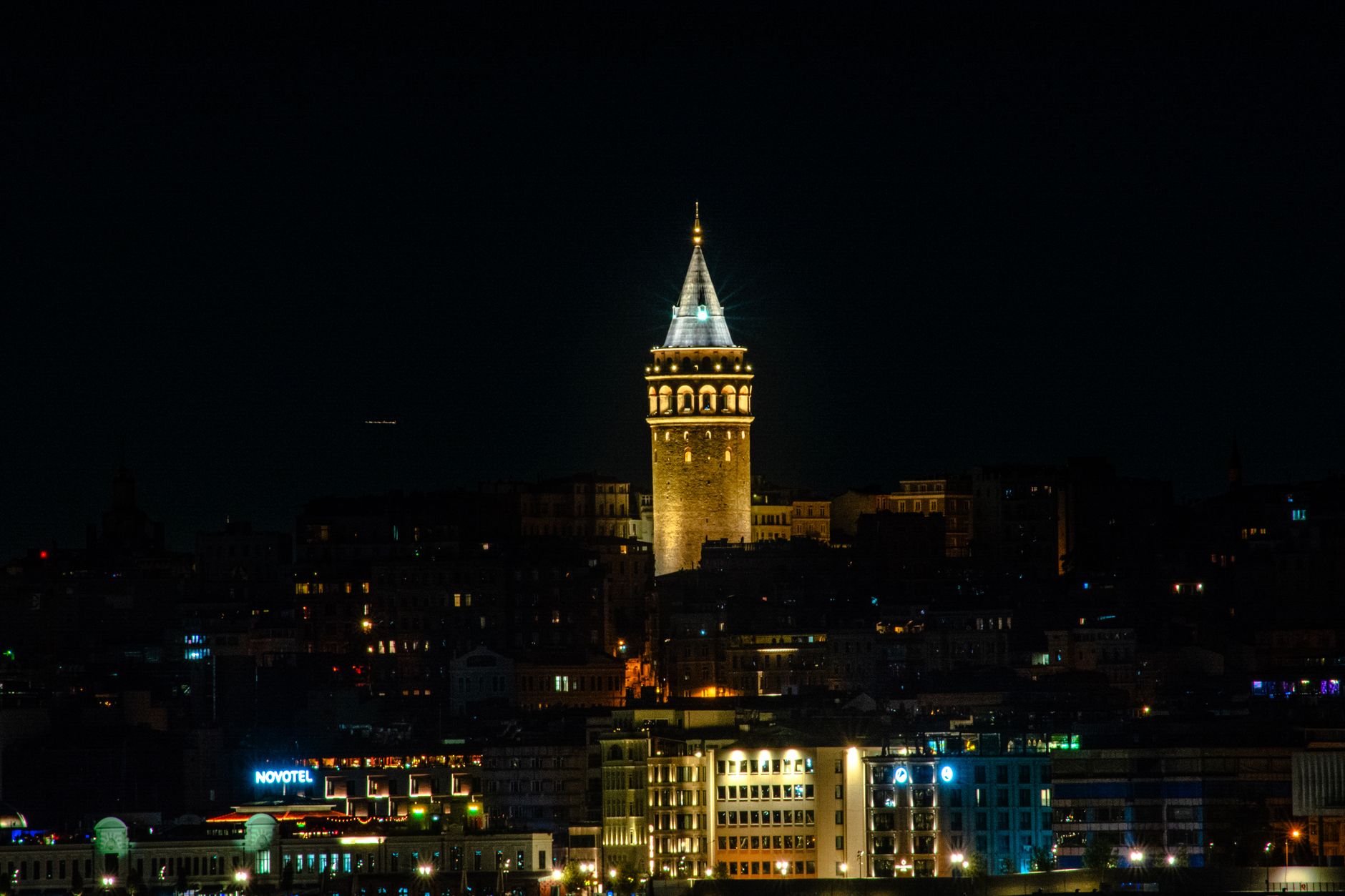
Not Just a Viewpoint: Architecture and Anecdotes
People often line up expecting just a panoramic spot to snap photos of the Bosphorus and the old city silhouette. But the tower is more than a vantage point. Inside, the spiral staircase—now aided by an elevator—climbs through a narrow stone shell that still whispers about its defensive role. I remember explaining to a group once how the tiny barred windows served as arrow slits and early gunports back in the 14th century, designed with warfare in mind.
One of my favorite stories to tell is about Hezarfen Ahmed Çelebi, a legendary Ottoman aviator. According to legend, in the 17th century, he attached artificial wings and glided from Galata Tower across the Bosphorus to Üsküdar. I’ll admit, it sounds fantastical, but such tales shed light on the vibrant imagination swirling around this monument.

Finding Quiet Moments Amid the Crowd
Galata Tower is a hotspot, naturally. On weekends, the lines can snake out the door, with visitors eager to ascend for the view. But I’ve learned that early mornings, just as the city stirs around 8:30 AM when the ticket office opens, grant a quieter experience. Walking in, you’re greeted with that faint musty smell of old stone and history, and a few locals grabbing their morning tea at the nearby shops on Bankalar Caddesi.
It’s worth spending time on the observation deck, leaning on the railing to absorb the cityscape—especially on clear days when the minarets, rooftops, and ferry boats all plot stories across the horizon. For photography enthusiasts, sunset shifts the lighting dramatically, but crowds become denser. I snapped one of my favorite shots overlooking the Golden Horn just before dusk last spring; the golden hour paints Istanbul’s waterways with a rich glow you can almost taste.
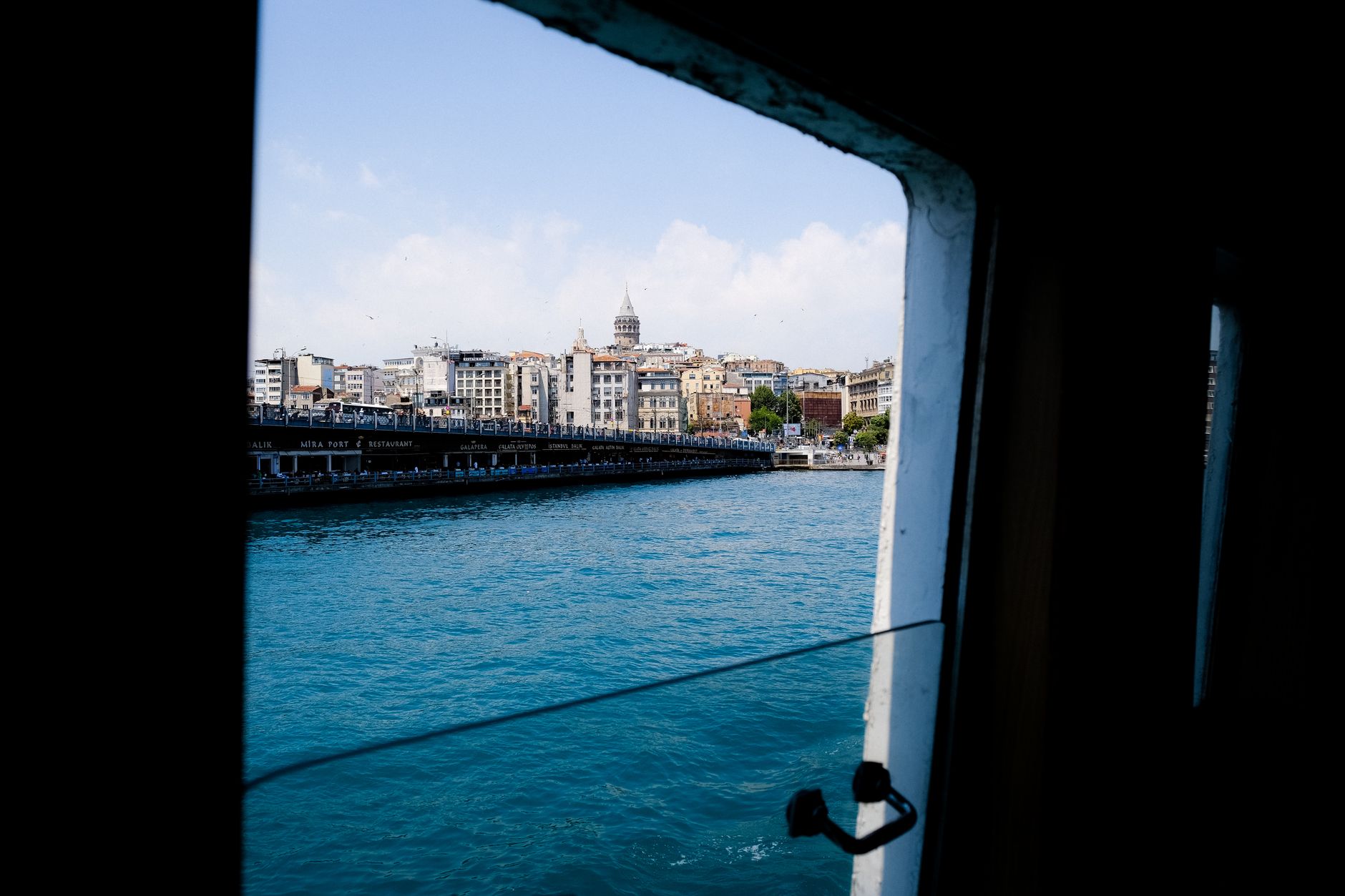
Details That Often Go Unnoticed
So many visitors miss the inscriptions on the tower’s inner walls, delicate Ottoman calligraphy added during restoration phases. These scribbles hint at the craftsmen who worked on it centuries ago and inscriptions that marked renovations after fires. The stone steps leading up are slightly worn and uneven in spots, reminding you that this tower was built in a different era of construction standards and heavy usage.
Behind the tower's sturdy doors, there’s a small café that many overlook, a quiet spot perfect for a Turkish coffee or simit while soaking up the atmosphere before or after your climb. On tours, I often recommend grabbing a window seat at one of the nearby terraces on Serdar-ı Ekrem Street. You get the tower framed perfectly against the street’s lively buzz and a chance to watch street musicians setting up for evening gigs.
Practical Notes for Your Visit
The ticket price hovers around 180 Turkish Lira as of 2024, and opening hours run generally from 9 AM to 7 PM, but always check locally for seasonal changes. Getting there by tram or funicular to Karaköy is straightforward, then a short walk uphill. If you’re feeling adventurous and prefer a traditional feel, take one of the narrow cobbled alleys, but watch your step—they can be slippery, especially after rain.
To me, Galata Tower isn’t just an attraction; it’s a page out of Istanbul’s layered narrative. Each time I stand beneath its shadow, I feel connected to the many voices that shaped this city. It’s a monument that wears its scars with quiet dignity and invites stories as diverse as the city’s own character.