Fener Greek Quarter in Istanbul: A Practical Visitor’s Guide
One Key Thing to Know About Fener Greek Quarter
The most important detail before heading to Fener is that it can be quite hilly and some streets are uneven cobblestones, so wear comfortable shoes and prepare for a bit of walking uphill. Public transport drops you off nearby but to truly explore you should be ready to move on foot. Expect to spend at least 2-3 hours here if you want to see key spots without rushing.
How to Get There Without Wasting Time
The easiest way to reach Fener Greek Quarter is by taking the tram to the Eminönü stop, then catching the No. 37 bus from the nearby Eminönü bus terminal, which runs every 10-15 minutes. The 15-minute ride gets you close to the main streets of Fener like Kireçhane Caddesi and Soğukçeşme Sokağı. If you prefer walking, it’s about 2 km uphill from Eminönü, taking around 25 minutes but with some steep patches.
Taxi fares start around 15 TRY (approximately $1.50) from Sultanahmet but can increase during peak hours due to traffic. Avoid rushing with taxis – it’s often faster and cheaper to use public transit and walk. If using the ferry from Karaköy to Eminönü, add it to your route for a scenic approach, costs about 3.5 TRY (0.35 USD).
Costs to Expect on Your Visit
Most of Fener’s streets and churches are free to explore, but some attractions and museums charge entry fees. For example, the Ecumenical Patriarchate has restricted access but nearby Orthodox churches like the Church of St. George charge a small donation (about 10 TRY). Small cafes serve Turkish tea and coffee for around 7-10 TRY, which is worth it for a break after walking.
Souvenir shops line the main streets selling items like icons, ceramics, and handmade soaps, usually priced between 20-50 TRY. Haggle politely if you decide to buy, though prices are generally reasonable compared to tourist areas like Sultanahmet. I found one ceramic shop with very old-fashioned pricing, so it's better to check multiple places.
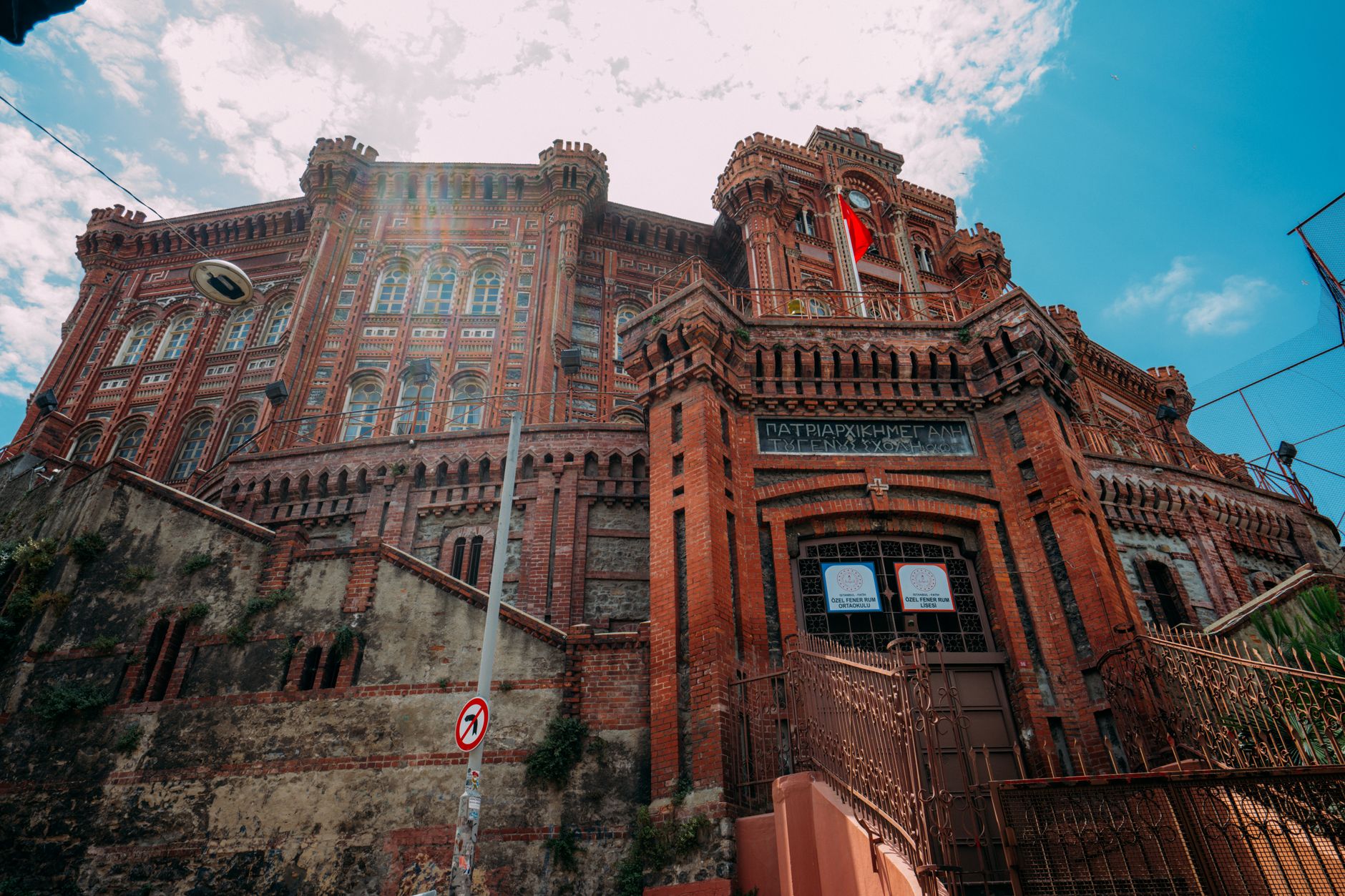
What’s Worth Your Time and What to Pass On
The Patriarchal Church and the surrounding alleys are the main attractions, so give yourself time there. However, skip the small souvenir stands that are packed right on Fener’s main pedestrian street; they tend to offer overpriced items targeted at tourists. Instead, head a few blocks off the main path for more authentic shops with fair prices.
The cafés along Kireçhane Caddesi vary in quality. Some are overpriced and target tourists, so check the menu prices before sitting down. In my visits, I found a small family-run spot on Şükrüpaşa Street that has decent Turkish breakfast options at 35 TRY per person – better value and atmosphere.

How Long Should You Stay?
I usually spend between 3 and 4 hours in Fener, which allows for exploring main landmarks, grabbing a bite, and some aimless street photography. Trying to cram Fener in 1-2 hours feels rushed and you'll miss much of the atmosphere on less crowded streets. The neighborhood doesn’t have many night options, so it’s best visited during daytime hours from 9 a.m. to 6 p.m. when shops and cafés are open.
One 'I Wish I'd Known' Tip
I wish I’d realized earlier that many churches and museums in Fener close on Mondays and major religious holidays, so planning accordingly saves disappointment. Also, some streets are poorly signposted, so using offline maps on your phone will prevent you from wandering aimlessly or backtracking unnecessarily.
For anyone serious about photography, early morning before 10 a.m. is great to avoid crowds and get natural light. Late afternoon is nice but some shadows develop in narrow streets. If you’re sensitive to crowds, weekdays tend to feel quieter than weekends when local visitors arrive.

Final Thoughts on Visiting Fener Greek Quarter
Fener Greek Quarter is enjoyable if you approach it with patience and realistic expectations. It’s a neighborhood where you can see buildings and churches loaded with character but without heavy crowds most of the time. Your best bet is to allocate a morning or afternoon to explore on foot, focus on a few key spots, and stay hydrated – especially in summer when it gets hot walking uphill.
Ultimately, it’s not a place where you’ll spend a whole day easily, but it complements a broader Istanbul itinerary if you want to see a different side of the city away from the usual tourist zones. Prepare for some uneven walking and variable shop quality, and you’ll find it quite rewarding.