Eyüp Sultan Mosque & Complex: Layers of Time Along the Golden Horn
During one of my early morning tours along the Golden Horn, I remember standing by the imposing walls of the Eyüp Sultan Mosque as the city stirred awake. The soft murmurs of prayers weaving through the crisp air created a serene contrast to Istanbul's usual buzz. I often tell my guests the mosque is not just a religious site but a living chapter of the city’s complex narrative, where architecture, faith, and legend converge.
First Impressions: Signing Into History’s Guestbook
Eyüp Sultan Mosque lies on the historical peninsula's western edge, a district less crowded than Sultanahmet but dense with stories. Its origins trace back to 1458, commissioned by Mehmed the Conqueror shortly after the Ottoman conquest of Constantinople. This mosque was built to honor Abu Ayyub al-Ansari, a companion of the Prophet Muhammad, whose tomb is believed to lie within the complex. Walking through its gates, you feel the weight of centuries pressing down — a sensation hard to shake.
The mosque, as it stands today, underwent significant renovations during the 19th century under Sultan Mahmud II, who favored a Baroque Ottoman style. The elegant domes and towering minarets exhibit a fusion between classical Ottoman architecture and European influences, a detail often overlooked by casual visitors caught up in the mosque’s spiritual significance.

Inside and Out: Architectural Details and Daily Rhythms
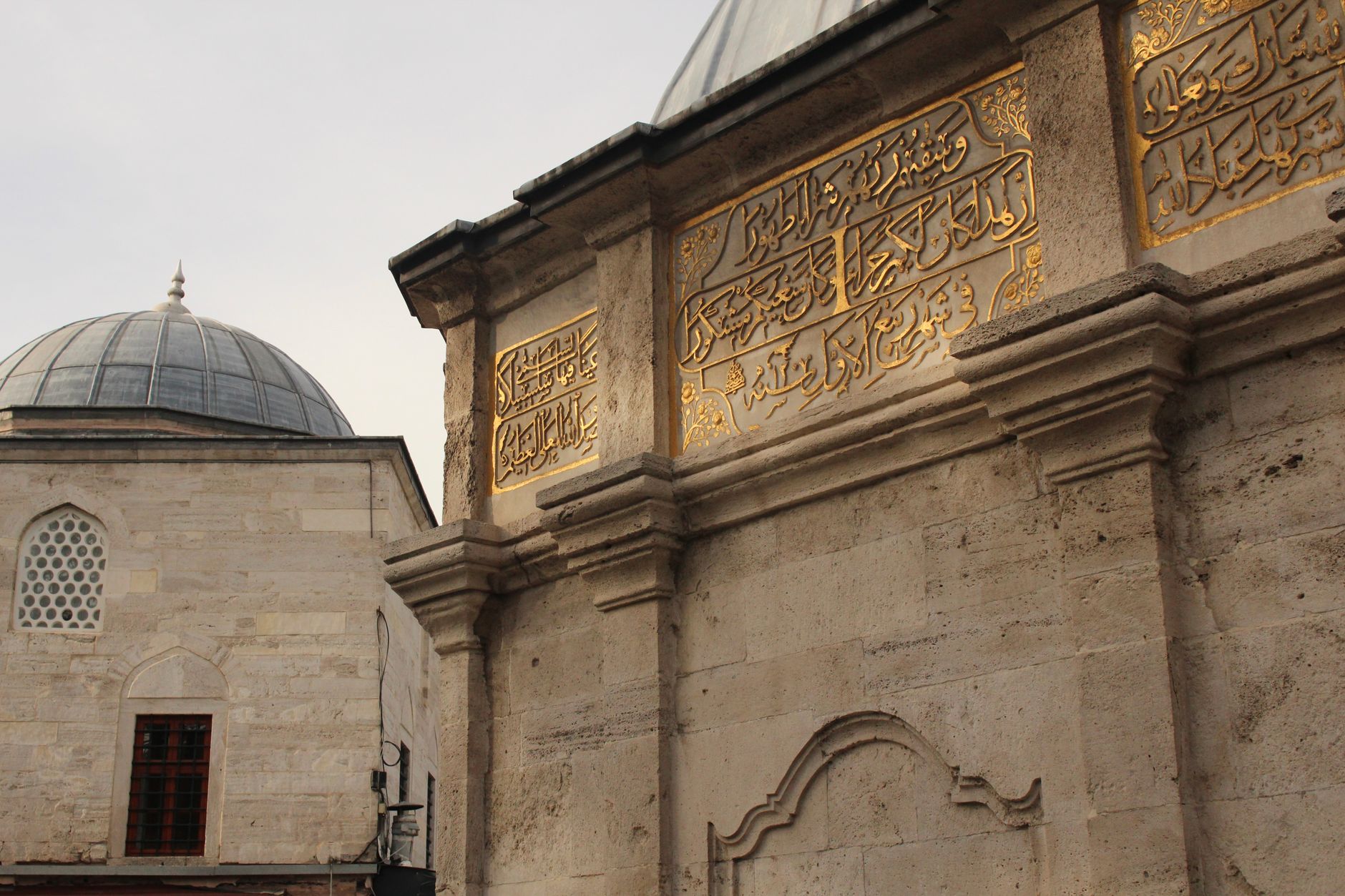
Once inside, the mosque’s courtyard beckons with its marble ablution fountain, delicately surrounded by arcades. I recall a chilly winter afternoon when a small group of elderly men gathered here, their conversation punctuated by the echo of their footsteps on the smooth courtyard stones. The main prayer hall, cloaked in soft, diffused light from stained glass windows, reveals intricate calligraphy that narrates Quranic verses in styles dating back to the Ottoman golden ages. Exploring these details is like reading visual poetry.
Beyond the mosque itself, the complex includes the türbe (tomb) of Eyüp Sultan, an area of intense reverence. Pilgrims often visit, some touching the tomb’s ornamental grille to send silent prayers. Above the türbe, the ornate wooden balconies of the surrounding Tekke (Sufi lodge) whisper of Sufi rituals once performed here, which adds a mystical dimension to the site.
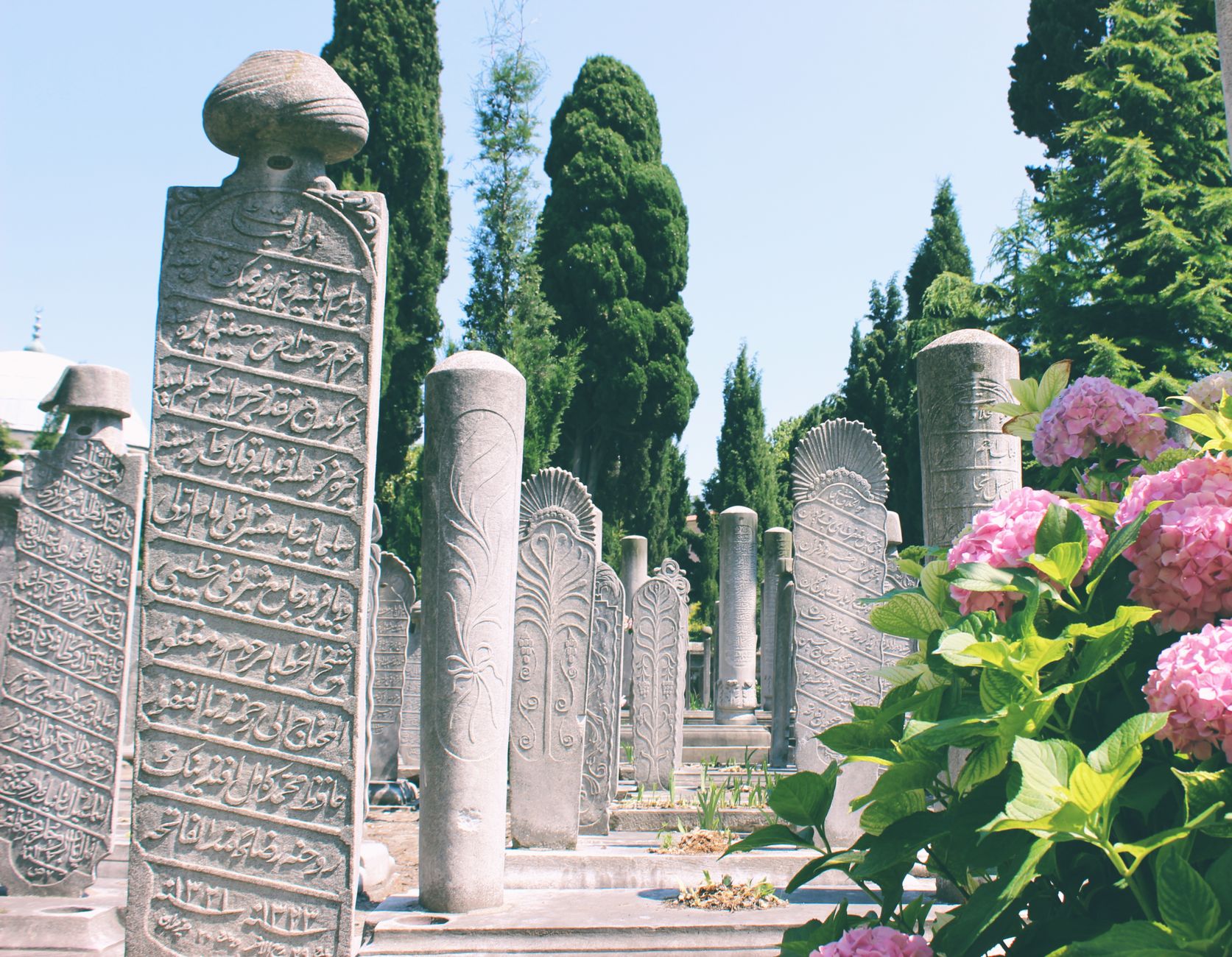
Not in the Guidebooks: Stories from the Courtyard and Beyond
One of my favorite stories involves the city’s Ottoman postal tradition. Just outside the mosque is the Eyüp district’s historic bazaar, where vendors still trade in textiles and trinkets much as they did during the 1800s. The area’s atmosphere is thick with centuries of commerce. A fellow guide once told me about a letter courier who would rest here before setting out across the city’s hills — making this mosque a hub of both faith and communication at one time.
Another little-known fact is the mosque’s role during the Siege of Constantinople. Eyüp Sultan is considered the site where Ottoman soldiers sought the blessings of Abu Ayyub al-Ansari before the historic conquest in 1453. This spiritual connection, cemented in myth and memory, continues to draw visitors eager to touch a piece of those tumultuous days.
When the Streets Are Quiet: Catching Eyüp at Dawn or Dusk
Eyüp's atmosphere changes as day edges into night. Early mornings bestow a quietude that lets you focus on the mosque’s stone carvings and the gentle ripples of the Golden Horn just beyond the complex walls. On multiple occasions, I’ve caught local fishermen hauling their nets nearby, their traditional wooden boats silhouetted against the sunrise. Evening visits reveal a different scene, where soft lamps illuminate the mosque’s minarets and the surrounding cafes buzz gently with locals unwinding after work.
Tips from Someone Who’s Been There
- Entrance is free, but donations are welcomed at the mosque.
- Open daily from 9:00 AM to 7:00 PM; prayer times may limit tourist access briefly.
- Wear modest clothing out of respect — long sleeves and headscarves for women are recommended.
- Stop by the nearby Pierre Loti Cafe for a Turkish coffee and panoramic viewpoints of Eyüp and the Golden Horn.
In my decade guiding in this area, I’ve noticed visitors often overlook Eyüp Sultan Mosque’s layering of cultural influences—from Byzantine fragments reused in its walls to Ottoman scripts that seem alive on the ceilings. It’s not just a place to glimpse history but to feel how the city’s pulse has evolved, carried in stone and wood, across hundreds of years. So next time you’re near the Golden Horn, take a breath here. You might just hear the city’s stories whispered in the wind.