Duzce Plateau & Forests: A Foodie’s Day Trip From Istanbul
One time I was craving something earthy and fresh, that crispness you get when you bite into a just-picked apple or wild berry. Duzce Plateau and its forests reminded me exactly of that—naturally vibrant and pure. The first memory I have of that trip is stopping by a roadside café right as the morning mist was still clinging to the pines, the air smelling of damp earth and fresh grass, and ordering a warm glass of Turkish tea for 5 TRY that felt like a warm hug. The modest café was run by a friendly couple who insisted I try their homemade börek, filled with wild herbs picked from the nearby forest. That flaky, buttery pastry had me hooked.
Finding Flavors Near the Trees
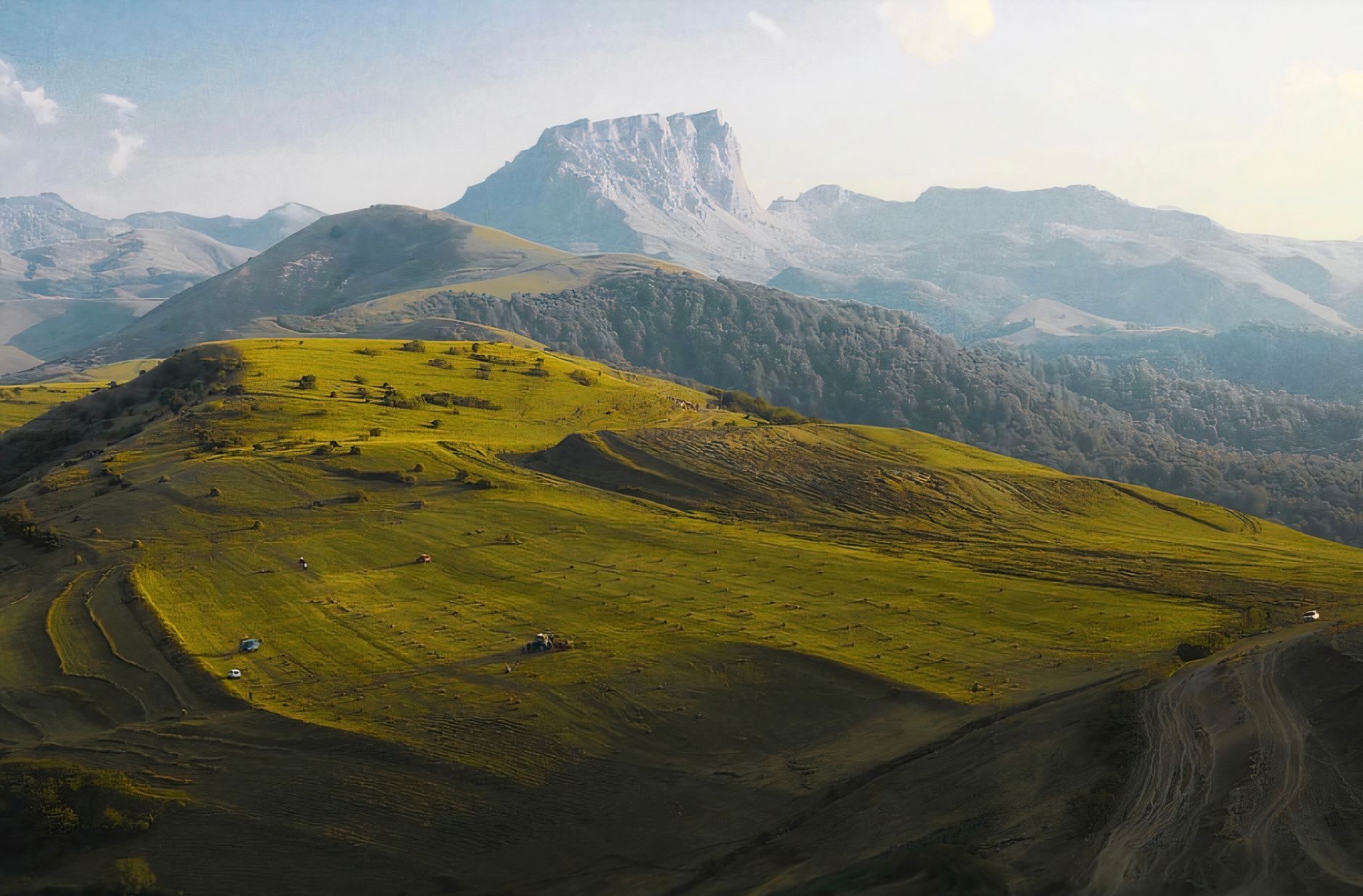
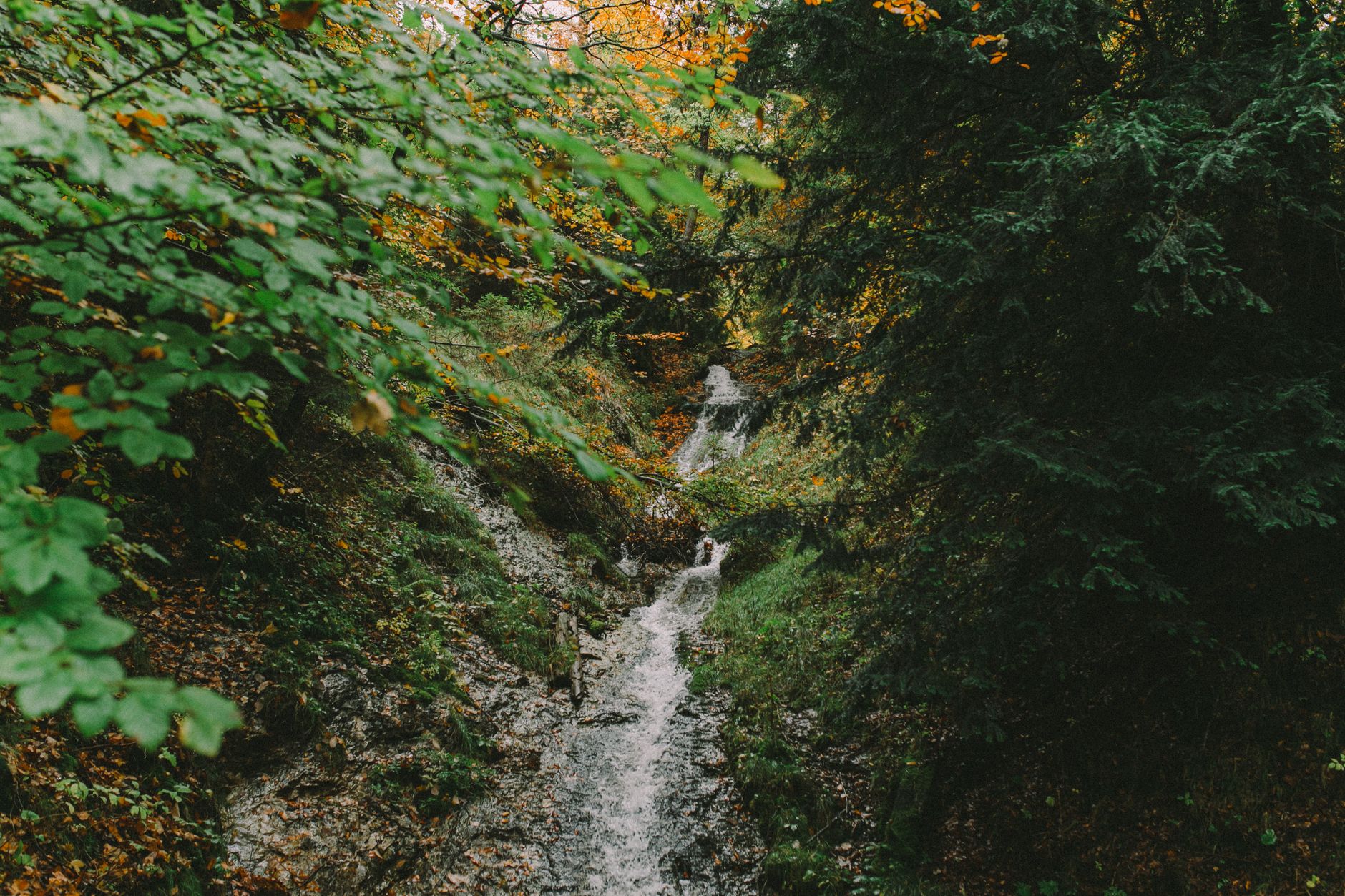
Duzce Plateau is roughly 3-4 hours from Istanbul by car and at first glance, the forest looks like any other Turkish woodland but take a deeper breath and you’ll notice the wild herbs that grow in abundance here—thyme, mint, and wild strawberries, all of which make their way into the local kitchens. The air itself seems to tweak your appetite and make you want to eat meals that are simple yet layered with freshness.
Right by the forest edge, there’s a small market where villagers sell fresh cheese, honey, and walnuts. I picked up a small jar of chestnut honey for 25 TRY that was thick and incredibly fragrant, perfect spread over the local bread. The vendors were chatty and proud of their produce, and I learned to ask for "ballı peynir," cheese with honey, a savory-sweet combo that I returned to for breakfast the next day.
Lunch Under the Pines
After walking through the pine trails and spotting a few wild mushrooms (I later found out they were called "kestane mantarı" or chestnut mushrooms), I settled down at a picnic spot where locals often eat. I pulled out some fresh bread from the market, chestnut honey, some of the homemade beyaz peynir (white cheese), and a simple tomato salad spiced with wild oregano. Eating al fresco with the thick forest smells around me made the meal feel like it was one-of-a-kind.
By midday, I ventured to a small family-run restaurant at Duzce town’s edge, where the signature dish was "keşkek," a slow-cooked wheat and meat stew traditionally prepared during social celebrations but available any day here. At 40 TRY a portion, it was an honest, hearty meal that warmed me up after the cool forest air, served alongside pickled vegetables and fresh bread. The owner, a cheerful woman named Hatice, shared a story of how the recipe had been passed down through generations, with each adding their own touch.

The Sweet Spot: Duzce’s Traditional Desserts
As the afternoon rolled in, I found a small patisserie on the main street selling "cevizli baklava," walnut baklava, a regional twist on the usual pistachio sweet. For 15 TRY per slice, it was flaky without being overly sticky and had just the right amount of syrup so it didn’t feel overwhelming. Sitting there with a small cup of strong Turkish coffee, I noticed the contrast of the nutty sweetness with the bitter coffee created a food pairing that I wrote down with an enthusiastic smile in my journal.
Another unexpected discovery was a hazelnut cream spread sold by local artisans near the market. I bought a small tub for 30 TRY and smothered it on slices of warm bread later in the evening back at my guesthouse. The cream was smooth, slightly crunchy, and had that deep roasted flavor hazelnuts bring, a nice counterpoint to the sweet honey from earlier that day.
Morning Market Walks and Final Bites
The next morning I took a slow stroll through the open-air market where early risers chatted and shoppers carefully inspected fresh vegetables, wild greens, and local sausages. The smell of freshly baked simit (sesame-coated bread rings) mixed with the earthy aroma of mushrooms and herbs foraged from the nearby woods. For breakfast, I picked up a simit for 3 TRY and a glass of freshly squeezed pomegranate juice for 8 TRY, the tartness refreshing after a night of rich meals.
Before heading back to Istanbul, I stopped at a tiny coffee shop specializing in traditional Turkish coffee. The barista prepared it slowly, Iaved me a small bowl of lokum (Turkish delight) alongside, dusted with powdered sugar and flavored with rose petals. This little sweet pairing, paired with that thick, dense coffee, was my final taste of Duzce—a place where food reflects the land and its people. It reminded me that sometimes the best day trips are those that feed both your stomach and your soul, even if just for a day.