Dolmabahce Palace: A Straightforward Visitor’s Guide
What You Need to Know Before Arriving
If you’re planning to visit Dolmabahce Palace, the key thing to keep in mind is the timed entry system. You cannot just show up and join a tour at any time; you have to book your ticket for a specific time slot. The ticket booths don’t sell entrance on the spot for the same day, so buying online or arriving early to get a slot for the following day is necessary to avoid disappointment. I learned this the hard way on my first visit and ended up waiting around for hours with no luck.
Getting There Without a Hitch
Dolmabahce Palace sits along the European shore of the Bosphorus, in the Besiktas district. The easiest way to get there is by tram or bus, but note that the nearest tram stop, Kabatas, is about a 10-minute walk uphill. If you have luggage or mobility issues, taking a taxi might be worth the extra expense. From Taksim Square, taxis typically take 7 to 15 minutes depending on traffic, costing around 25-30 Turkish Lira (€1.50 to €2). Public buses run regularly but can be crowded during rush hours.
What Entrance Costs and When to Visit
As of mid-2024, the general admission ticket costs 120 Turkish Lira (around €6) for foreign visitors. The price includes an audio guide, which I recommend renting to better understand the palace’s details without joining a tour group. Opening hours are 9:00 am to 4:00 pm daily except Mondays. Arriving just as it opens saves you from the larger crowds that start forming by mid-morning. If you want photos without too many tourists in the shot, early entry is essential.
What’s Worth Your Time Inside
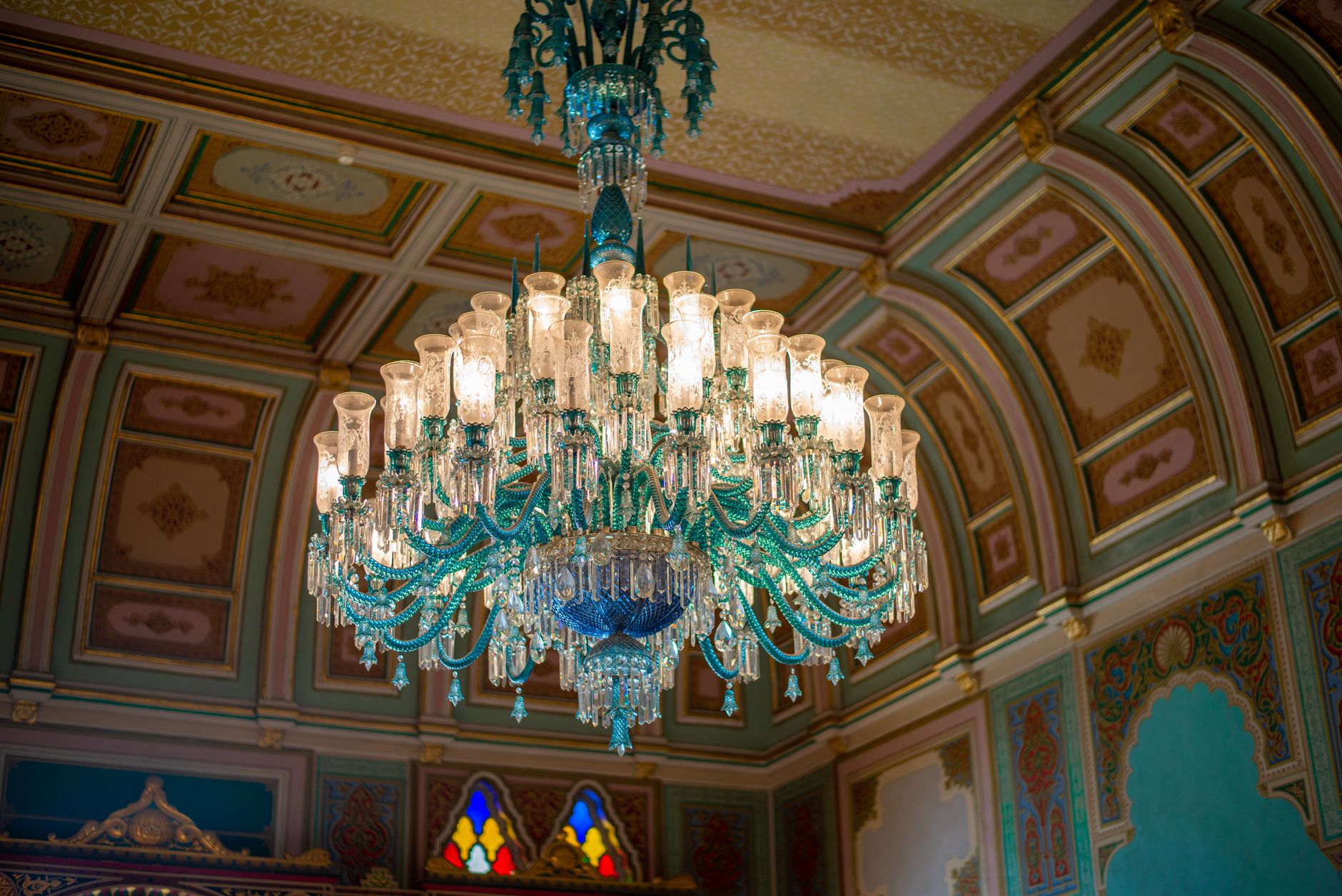
The Palace’s interior has plenty of rooms with elaborate chandeliers, grand staircases, and lavish furniture. The Ceremonial Hall is a standout with its huge Bohemian crystal chandelier weighing around 4.5 tons—yes, you read that right. However, the palace is vast, and I’ve found that spending more than two hours inside can get tiring. The rooms tend to look similar after a while, so prioritize the main halls and the Sultan’s private quarters. Photography is mostly allowed in the courtyards but forbidden inside many rooms, so keep your camera usage in check.
Skip This
The basement area, sometimes included in tours, didn’t add much to my previous visits. The displays down there are less polished and can feel disconnected from the rest of the palace. The short extra cost for this part isn’t justified unless you’re specifically interested in Ottoman kitchen technology or old utilities. Spend your time focusing on the upper floors and gardens instead.

Don’t Overlook the Gardens
Outside, the palace gardens stretch along the waterfront. They’re a quiet place to compare the palace structure against the Bosphorus water and the opposite Asian side of Istanbul. I recommend walking toward the seaside at the back of the grounds; the combination of water views and palace walls makes for some pleasant photos and a moment to rest after the indoor tour. There are small cafes nearby if you want a break.
Final Tip I Wish I Knew Earlier
Dolmabahce Palace can feel overwhelming in its size and luxury details, but one thing I wish I had known earlier is about the audio guide language options. The English audio guide is clear but somewhat basic. If you speak Turkish, use the Turkish version for deeper explanations of the cultural references and context. Also, don’t expect many explanations on site beyond the guide, so bring your own background notes if you want more depth.

Summing up, Dolmabahce Palace is doable in a half-day trip if you plan ahead, book your tickets in advance for a specific time, and focus on the main attractions. Skip the basement, prioritize early arrival, and allocate some time for the gardens. That’s how you get the most out of this Istanbul spot without feeling rushed or overwhelmed.