Light and Life in Cumalıkızık Ottoman Village: A Photographer’s Day Trip
Just past dawn, the amber light spills over the narrow cobblestone streets of Cumalıkızık, casting long shadows from wooden shuttered windows. The village hums quietly, alive in the soft glow that photographers crave — not harsh, but warm and forgiving. This place offers more than a chance to snap quaint scenes; it’s a study in how light carves texture and breathes life into centuries-old architecture.
Early morning in the village: chasing light and silence
The best time to visit Cumalıkızık is just after sunrise, around 7 a.m. in the spring months, when the sun lifts low and casts a golden veil over the timber-framed houses and red clay roofs. At this hour, the village streets sit mostly empty, leaving room to explore without jostling crowds. The air carries a crispness that sharpens details—perfect for framing shots with a contrasting sky and earthtones. I shoot at a low ISO around 200 to keep images clean and use a wide aperture (f/4) to blur backgrounds slightly, focusing on the details like peeling paint and rough wood grain.
Walking through the streets, I found shafts of light piercing gaps between houses, creating spots of high contrast. Leaning in for close-ups or pulling back to capture small groups of homes, the light defines shapes and tells stories beyond the static buildings. Locals start stirring late morning, so the quiet of early light is fleeting; work quickly to harness that delicate hour.
Interactions at noon and managing crowds
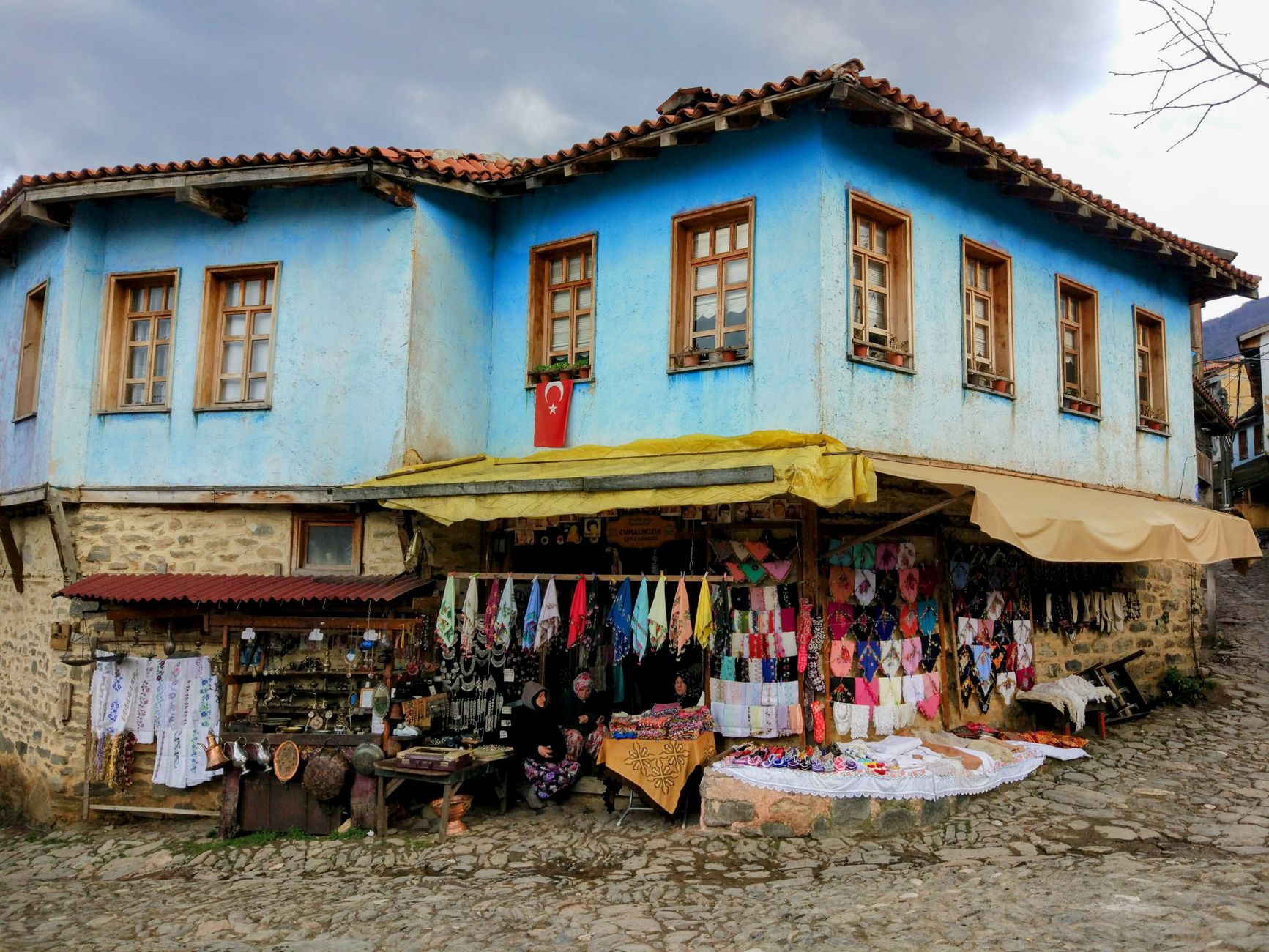
By midday, Cumalıkızık transforms as day-trippers arrive on buses and Turkish families come for weekend visits. The charm diffuses into clusters of chatter and moving figures. Photography shifts from empty streets to capturing life amid the crowd: shopkeepers displaying jars of honey and spices, families sitting on worn benches, stray cats basking on warm stone walls. The sun climbs high, washing out colors, so I switch to a higher shutter speed and smaller apertures (around f/11) to keep depth of field crisp despite harsh light.
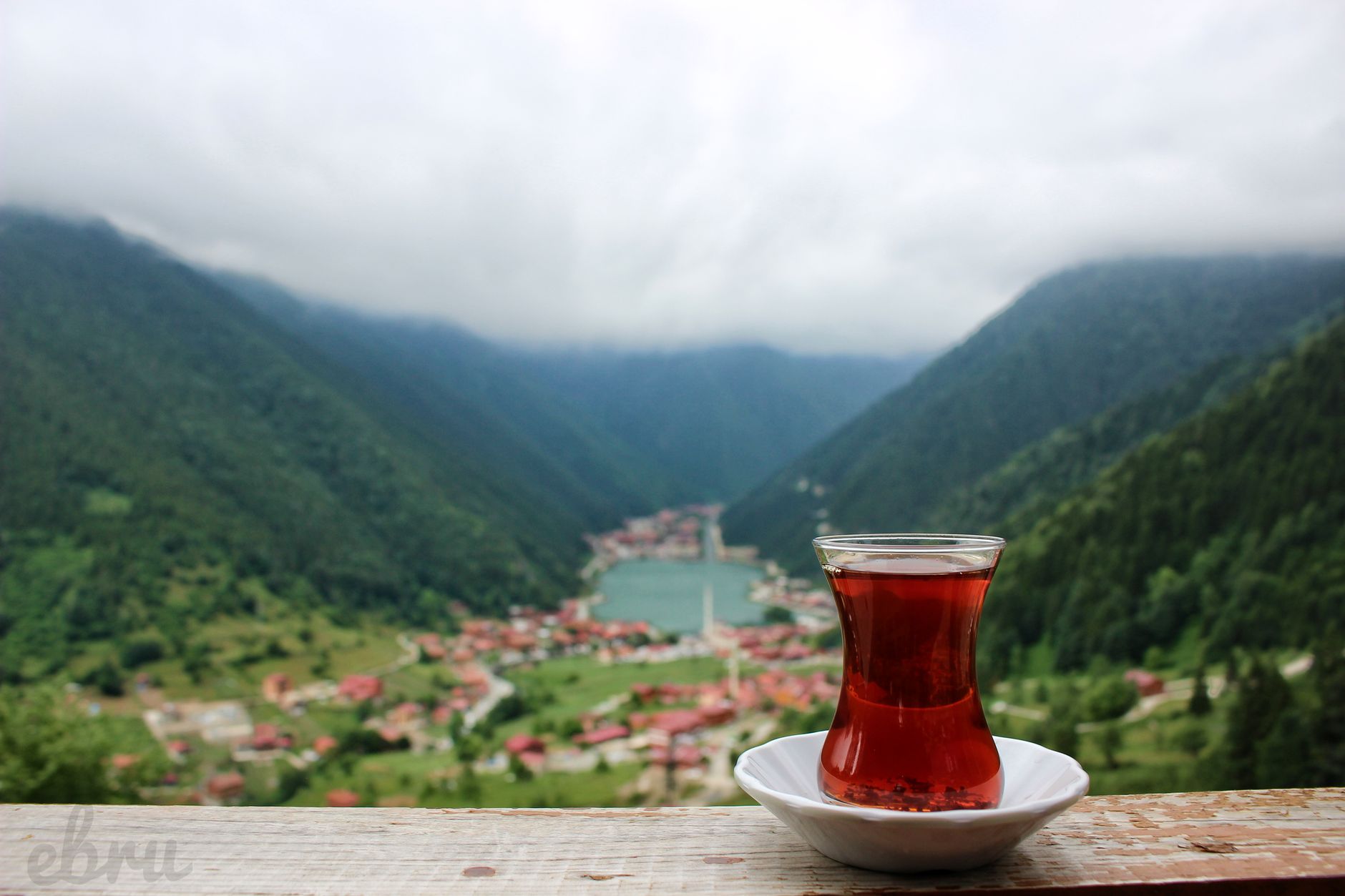
For those aiming to avoid crowds, midweek visits reduce tourist numbers, though early mornings remain the quietest by far. Local cafes along Şehitlik Street start filling around 10 a.m., perfect for breaks between shoots. Sipping a glass of thick Turkish tea while letting the scene settle is a welcome pause in the rhythm of shooting.

Texture and storytelling: houses and heritage
The homes of Cumalıkızık reflect Ottoman rural life without pretense. Hand-laid stone foundations rise to timber walls filled with sun-dried bricks and topped by curved red tile roofs. Windows framed in dark wood offer glimpses into interiors layered with history. These details show best as the sun tilts westward late afternoon, lengthening shadows and revealing crackled plaster and mossy edges.
Each doorway and alleyway tells a different story. One weathered door has petroglyph-like carvings barely visible in midday light but sharp with sunset’s angle. Catching these subtleties demands patience and a willingness to scout angles—crouching, sidestepping, or even shooting through narrow arches to catch just the right frame. For me, the golden hour before dusk is a final burst of photographic magic. Using a 35mm lens and steady tripod, I let the light linger and linger, capturing colors that feel deep, tactile, and layered.
Rainy day backup: nearby Bursa museums
Clouds can roll in unexpectedly, muting the village’s color palette and making outdoor photography challenging. When rain dampens Cumalıkızık, I turn attention to nearby Bursa, just a 20-minute drive away. The Tophane district’s small museums offer tactile artifacts and Ottoman textiles to explore without leaving the camera behind. Indoors, colors simmer softly under gallery lighting, and shooting details with a macro lens brings textures alive. If you plan to visit between November and March, pack rain gear and consider flexible timing.
Overall, Cumalıkızık rewards those who wait for the right light and take time to absorb its quiet rhythms. It’s a place of layers — stone, wood, light, and life — captured best with a patient eye and boots ready to wander cobblestone streets from first light until dusk’s last glow.