Golden Hour in Cihangir: Capturing Istanbul’s Light and Layers
First Light at Cihangir’s Café-Filled Streets
Early mornings in Cihangir bring a cool, damp clarity as sunlight creeps over the top of the Galata Tower, spilling gold onto narrow cobblestone streets lined with bohemian cafés and small antique shops. The air smells of strong coffee and freshly baked simit. Shadows are long and slant sideways—perfect for catching depth in photos. I often set up my camera with a wide aperture around f/2.8 to blur the background while keeping the foreground sharp: the steaming cups on wooden tables, the wrinkled faces of early risers, the wrinkles of fabric on hanging clotheslines. It’s a quiet world hours before the tourist hum rises.
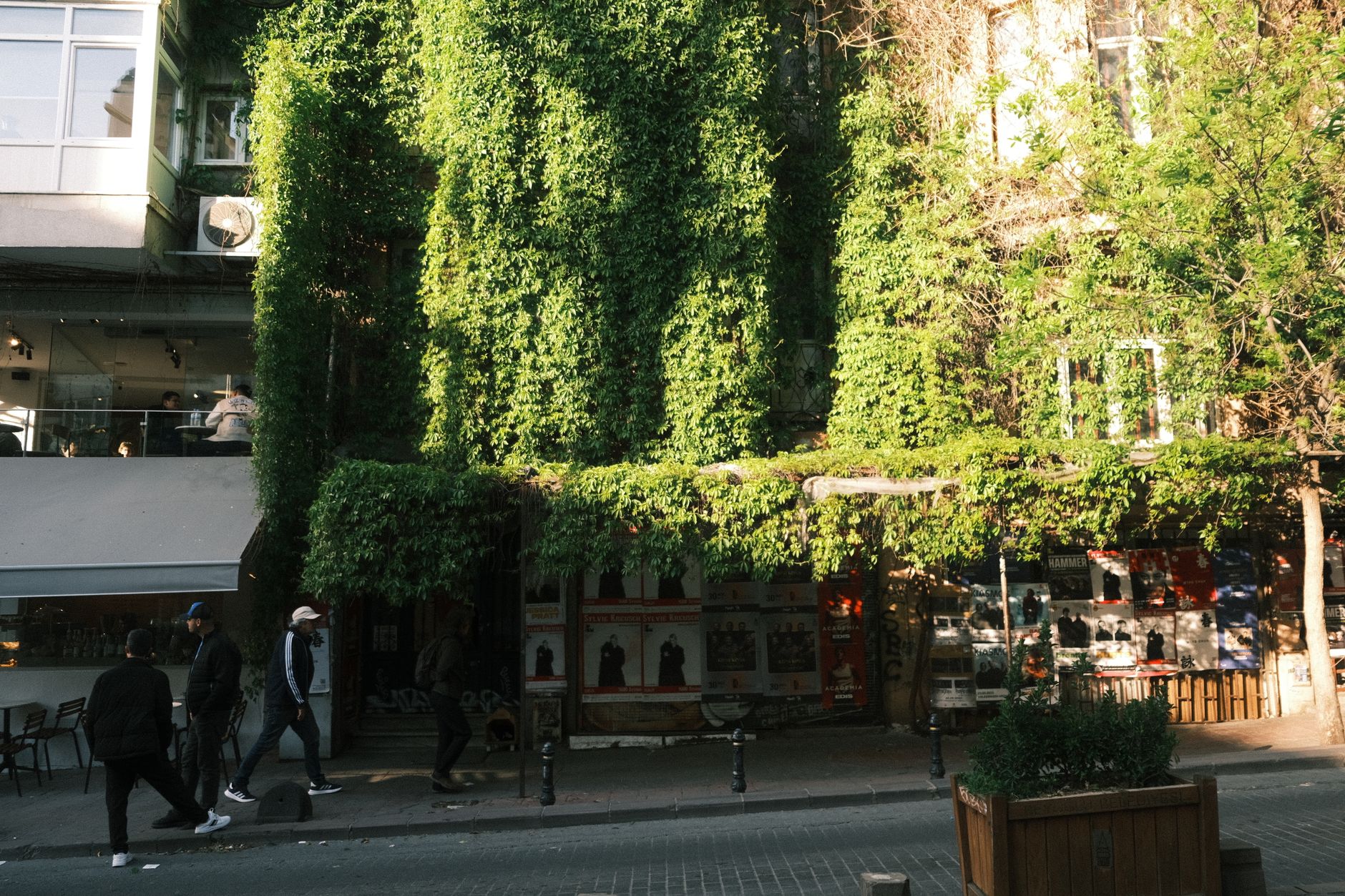
Behind the cafes, the little gardens with climbing ivy and painted shutters catch the light just right, creating natural frames in your shot. Mornings here mean soft skin-tones on locals seated outside, absorbed in their newspapers or whispered conversations. The uneven pavement bricks offer contrast and texture, especially when lit from the side. A tripod is useful but not essential early on, given the rising light.
The View That Made It Worth It
As the day moves toward late afternoon, I climb the stairs near Cihangir Park, following the scent of roasting chestnuts from street vendors. The sun has drifted low and warm, throwing a copper glow onto the Bosphorus. From this angle, the shipping boats chug slowly beneath the silhouette of the Asian shore. The combination of water motion, city’s architecture, and fluttering laundry lines between apartments creates layers that no street-level shot can capture.
Golden hour softens the strong contrasts of midday. I lean into the light’s warmth, adjusting the ISO to keep grain low and shutter speed swift enough to catch birds in flight or the flicker of city life moving below. Here, the angle of the sun gives buildings a honeyed hue, while the water reflects a sky split between burnt orange and lingering blue. Waiting for clouds to thin or gather adds drama—sometimes it’s overcast, dull, and you have to find pockets of bright light peeking through the canopy of plane trees crowning the park.
The view isn’t always empty, especially on weekends. Cihangir’s charm pulls Istanbulites to its small galleries and vintage shops, which means fewer spots to set up your gear in peace. A weekday afternoon is better for solitude and slow frames. Haggling over a tea with vendors or locals often leads to candid portraits — faces etched by Istanbul’s sun and sea winds.

Rainy Day Backup Plan: The Narrow Alleys and Indoor Corners
When the sky turns grey and thunder rumbles over the Bosphorus, the mood in Cihangir shifts. Cafés become refuges; windows fog and catch droplets that distort but also artistically frame the street scenes. I switch to a fast lens, around f/1.8, to capture indoor light spilling out onto wet tables and the glisten of umbrellas closing and opening on the sidewalks.
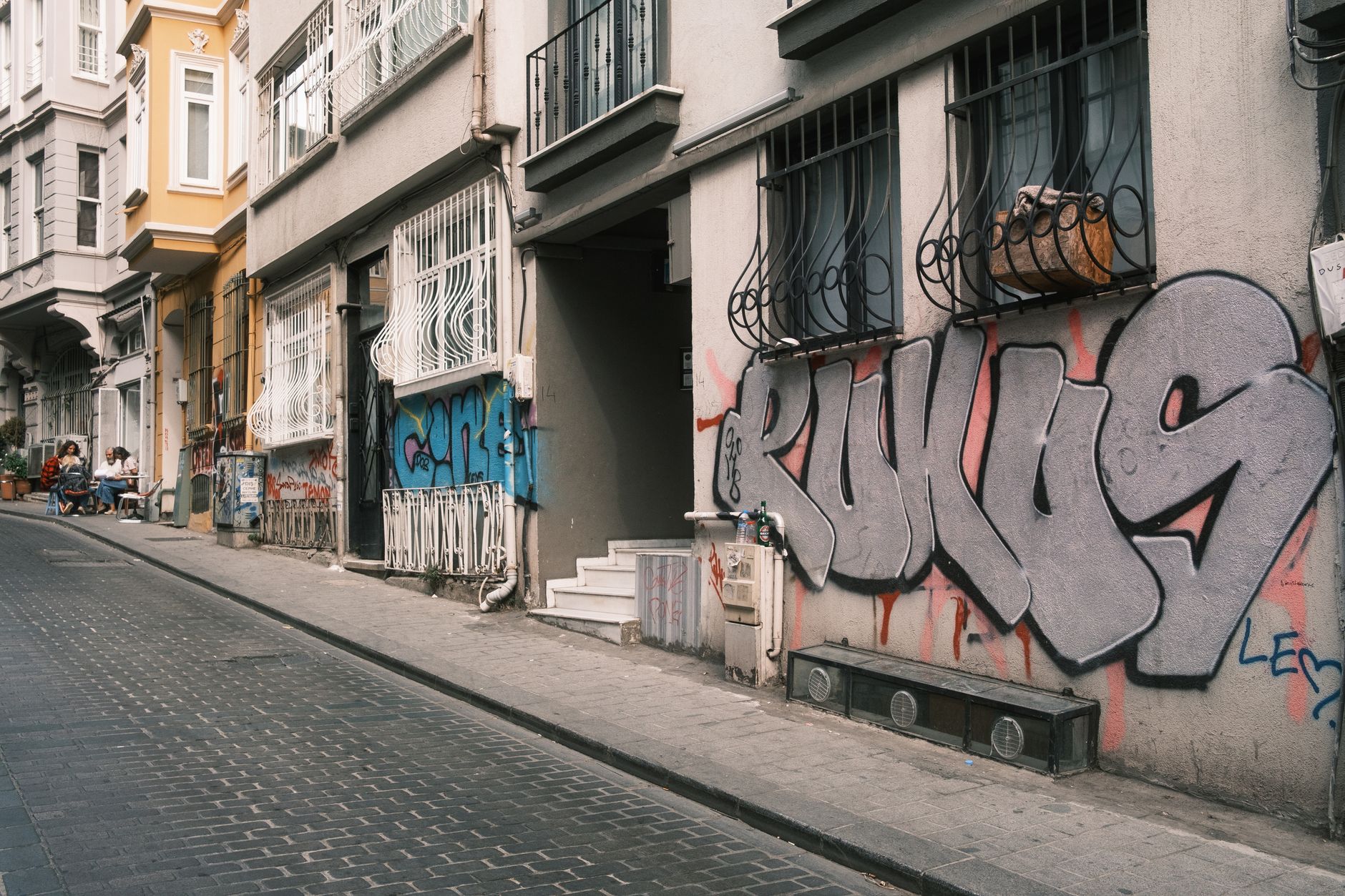
Cross one of the side streets like Asmali Mescit, and you find walls layered with peeling paint, street art, and small shops selling handmade ceramics and leather goods. These alleyways compress light in curious ways—a tight frame of neon or candlelight often makes a strong photo. The dampness deepens color saturation, making painted signs pop on cold, wet walls.
My camera bag usually carries a pack of micro-fiber cloths to wipe lenses, as humidity tends to fog up gear quickly. Shooting through rain-blurred windows or down puddled streets challenges composition but rewards with unexpectedly abstract reflections. The neighborhood’s less busy during bad weather, so you can explore corners without dodging crowds.
Evening Light and People-Moments
Golden hour fades into dusk, and the streetlights flicker on. The muted neon of a small bar or the warm glow of an old-fashioned lantern invites a contrast with the cooler blue of the twilight sky. Photographically, this means balancing exposures or bracketing shots to keep details in both light and shadow.
Locals gather on narrow balconies with cigarette smoke rising and easy laughter spilling into the street. I often crouch low to catch moments of interaction: a couple holding hands, a street musician tuning his saz, a cat slinking between tables. These dynamic human touches add texture beyond the architecture.
At night, Cihangir slows down except for the occasional bursts of street music or laughter echoing off stone walls. I pack up when the last tram rumbles by, with my memory card full of layered light and street life. The best photographs here depend on patience—waiting for that right flicker of sun or human moment to tilt the frame just so.
Practical Tip
- Early mornings and late afternoons provide the most flattering, soft light for photography in Cihangir.
- Weekdays are noticeably less crowded, allowing more freedom for composing shots without interruptions.