Exploring the Blue Mosque Like a Local: A Real Istanbul Neighborhood Walk
Hey, great to hear you're headed to the Blue Mosque area! It’s easy to just zoom in, snap a few photos, and rush out, but there’s a lot more to this part of Istanbul if you know where to look. I live just a few blocks away, so let me walk you through how to see the Blue Mosque with an eye for the everyday details that most tourists miss.
Start near the Arasta Bazaar for a slower pace
Before even setting foot inside the Blue Mosque—officially called Sultan Ahmed Mosque—take a stroll down Arasta Çarşısı (Arasta Bazaar). It’s a small market street running along the mosque’s east side, right off Akbıyık Caddesi. Unlike the Grand Bazaar’s overwhelming sprawl, Arasta has a handful of well-curated shops selling hand-painted ceramics, carpets, and local textiles. Grab a cup of Turkish çay at one of the tiny cafés lining the street and watch locals chatting over backgammon. This spot isn’t just a tourist stop; you’ll see neighborhood grandmothers shopping alongside visitors.
The Blue Mosque up close: More than just domes and minarets
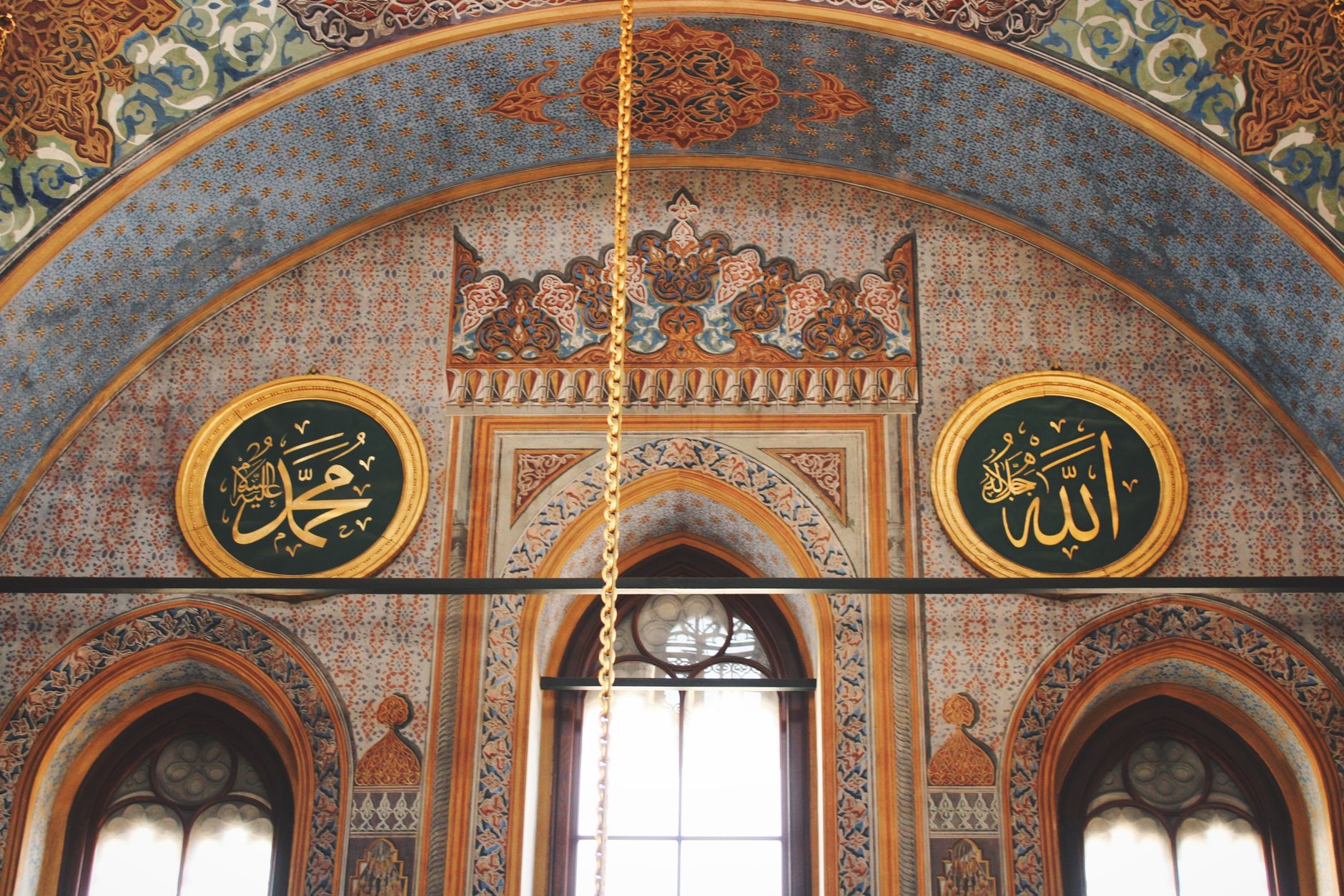
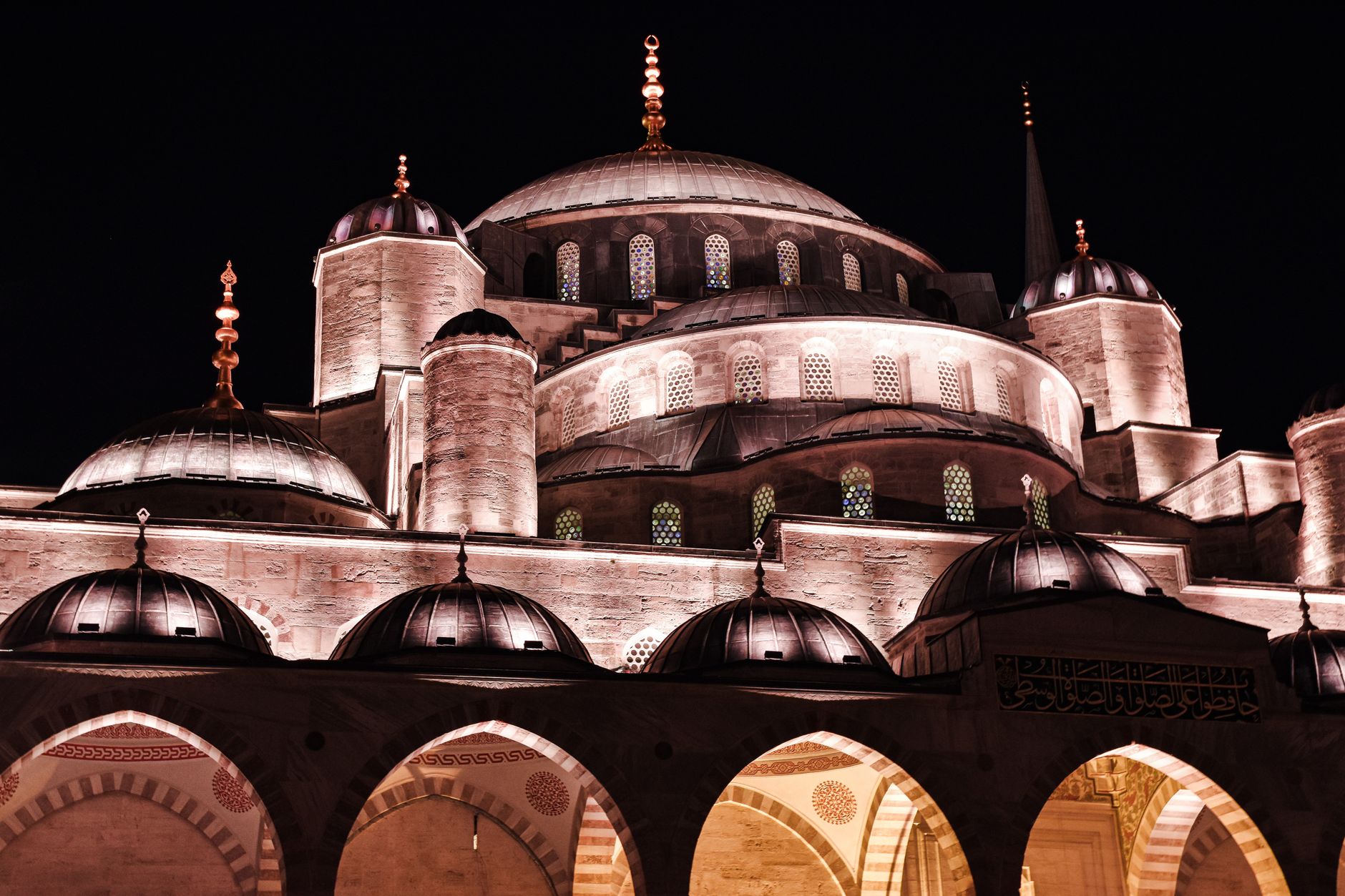
When you enter the courtyard of the Blue Mosque, slow down your pace. Notice how the blue İznik tiles inside don’t overwhelm the eye despite their quantity. The lighting inside is quite special — the combination of natural light filtering through stained glass windows plus the lamps hanging from the high ceilings creates an atmosphere that few other Istanbul mosques achieve. If you arrive early in the morning, crowds are minimal and you can find quiet corners by the large pillars to sit and soak it in.
One detail many overlook is the calligraphy above the entrance and inside the prayer hall. These verses from the Quran were penned by a master calligrapher, and if you look carefully, you’ll spot tiny decorative flourishes that are a treat for those with patience and curiosity. Since the mosque still functions as a place of worship, keep your voice low and dress respectfully. Headscarves aren’t obligatory if you’re just visiting but having one handy isn’t a bad idea, especially during prayer times.
Avoid midday lines by timing your visit right
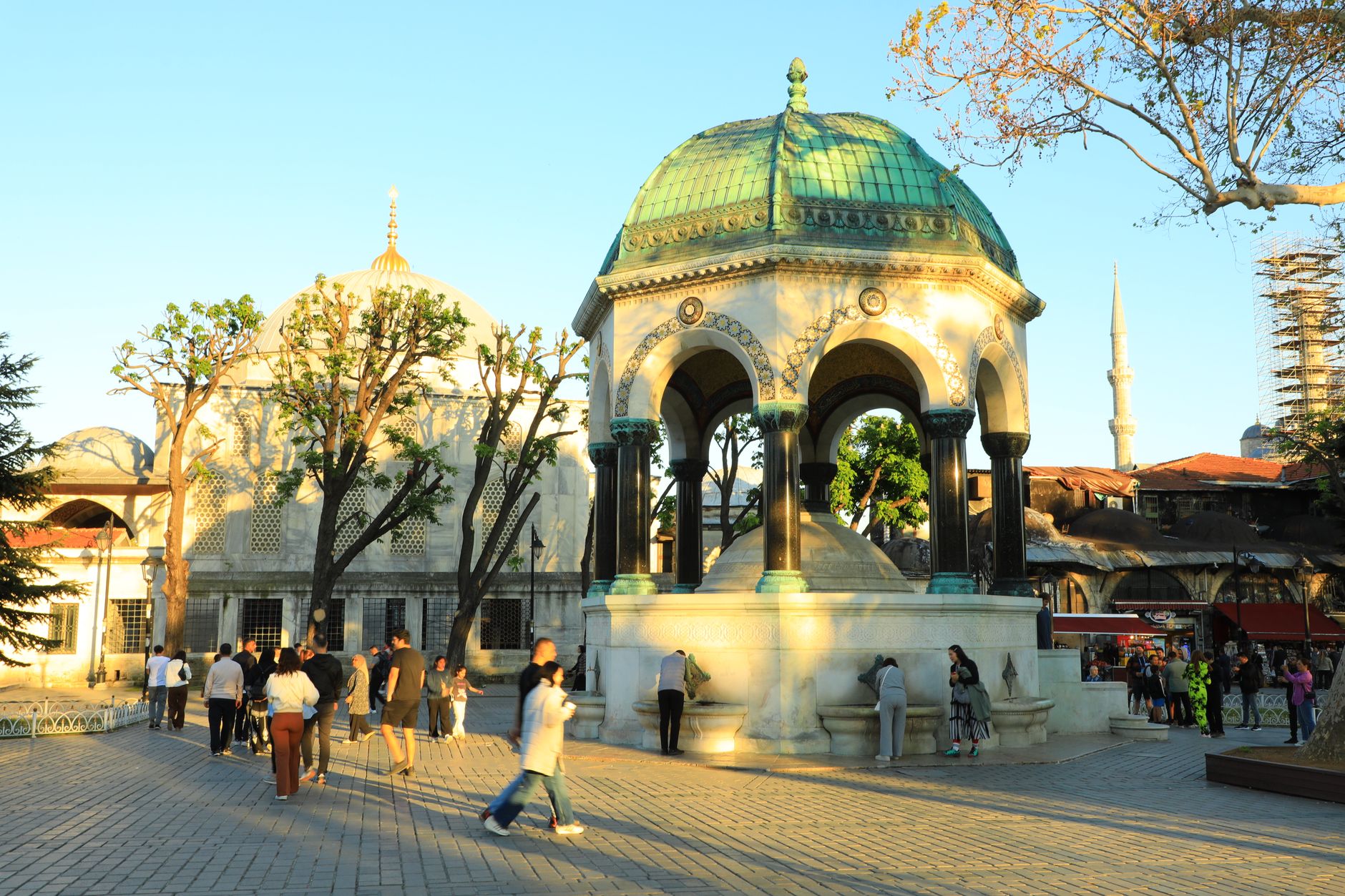
The Blue Mosque often has long lines by midday, especially during Turkish holidays and weekends. If you’re around on a weekday morning or late afternoon just before sunset, you’ll have more space and can even chat with some of the guardians who tend the mosque. They often share little-known stories or talk about the mosque’s ongoing maintenance challenges—they’re proud of the building but honest about how tricky it can be to preserve such an old stone structure in Istanbul’s sometimes humid climate.
Once you leave the mosque, cross over to one of my favorite cafés on Küçükayasofya Caddesi called Mavi Sakal Çay Evi. It’s a tiny, mostly locals-only spot where the tea is strong and exactly what you want after walking through the mosque. The old men here play endless rounds of tavla (backgammon) and sometimes invite newcomers to join. It’s a good way to get a feel for the neighborhood pace beyond the tourist track.
After the mosque: A coffee stop and a stroll by the Cistern
Since you’re so close to Byzantine-era sites over here, I recommend heading down Yerebatan Caddesi to visit the Basilica Cistern—yes, that underground water depot with dozens of eerie Medusa heads holding up stone pillars. It’s cooler and shaded, a good contrast to the open mosque courtyard. If you want to avoid the ticket lines, pick up your pass across the street at the small kiosk and then come back during off-peak hours.
Right after the cistern, there’s a café called Cafe Rumist that usually flies under most guidebooks’ radars. It’s a relaxed vibe, often with a few old cups of çay and a handful of local writers typing on laptops. They serve good Turkish coffee and some homemade simit that’s just out of the oven. If you’re still hungry after all that walking, grab a sandwich at Güllüoğlu on Divanyolu Caddesi. It’s a famous spot for baklava, but their fresh pide (Turkish flatbread pizza) is also really filling without feeling heavy.
The locals’ insight: Look beyond the mosque walls
While the Blue Mosque is the centerpiece, the neighborhood around Sultanahmet offers layers that only locals dive into. For example, down Akbıyık Street, check out small tailoring shops and leather workers who have been around for decades—you can often see artisans hammering away inside from the street. If you want souvenirs that aren’t mass-produced, ask for a handwoven silk scarf or a copper coffee pot made in the style craftsmen here still use.
Also, if you’re visiting in winter when the light fades early, many of these artisan shops have lamp-lit windows that create a cozy street atmosphere. Stop by the historic Çorlulu Ali Paşa Library on Alemdar Caddesi—a quiet spot where locals come to read old manuscripts and immerse themselves in old Istanbul culture away from the crowds.
So next time you come to see the Blue Mosque, think of it less as a singular sight and more as the center point in a neighborhood full of everyday colors and stories. If you get a chance, chat with shopkeepers or mosque attendants; they often slip in anecdotes about Istanbul that don’t appear on any tourist map. Let me know if you want some easy walking routes that explore these streets without rushing past.