Golden Hour Light at Bilecik & Söğüt: Tracing Ottoman Origins Beyond Istanbul
First light at Söğüt's quiet streets
Driving out of Istanbul early morning, the sky painted in soft pastels, the air crisp with the hint of spring blossoms, I arrived in Söğüt just as the town began to wake. The low sun slanted through narrow streets, casting long shadows over stone walls worn smooth by centuries. Windows caught flickers of light that made the wooden shutters glow warm ochre. I set up my camera by the Süleyman Pasha Tomb, eager to capture the contrast between the sunlit facades and the cool shadows. A wide aperture around f/4 and a shutter speed close to 1/200 helped balance the fading mist and emerging clarity.
Compared to the mid-morning hustle, this quiet hour gave breathing space to compose shots free from crowds. If your goal is to photograph the essence of Ottoman origin without obstruction, planning to arrive before 8 a.m. will pay off. Street vendors and visitors flood in mid-morning, diluting the delicate interplay between light and structure that early hours reveal.
Echoes of the past beneath a golden sky
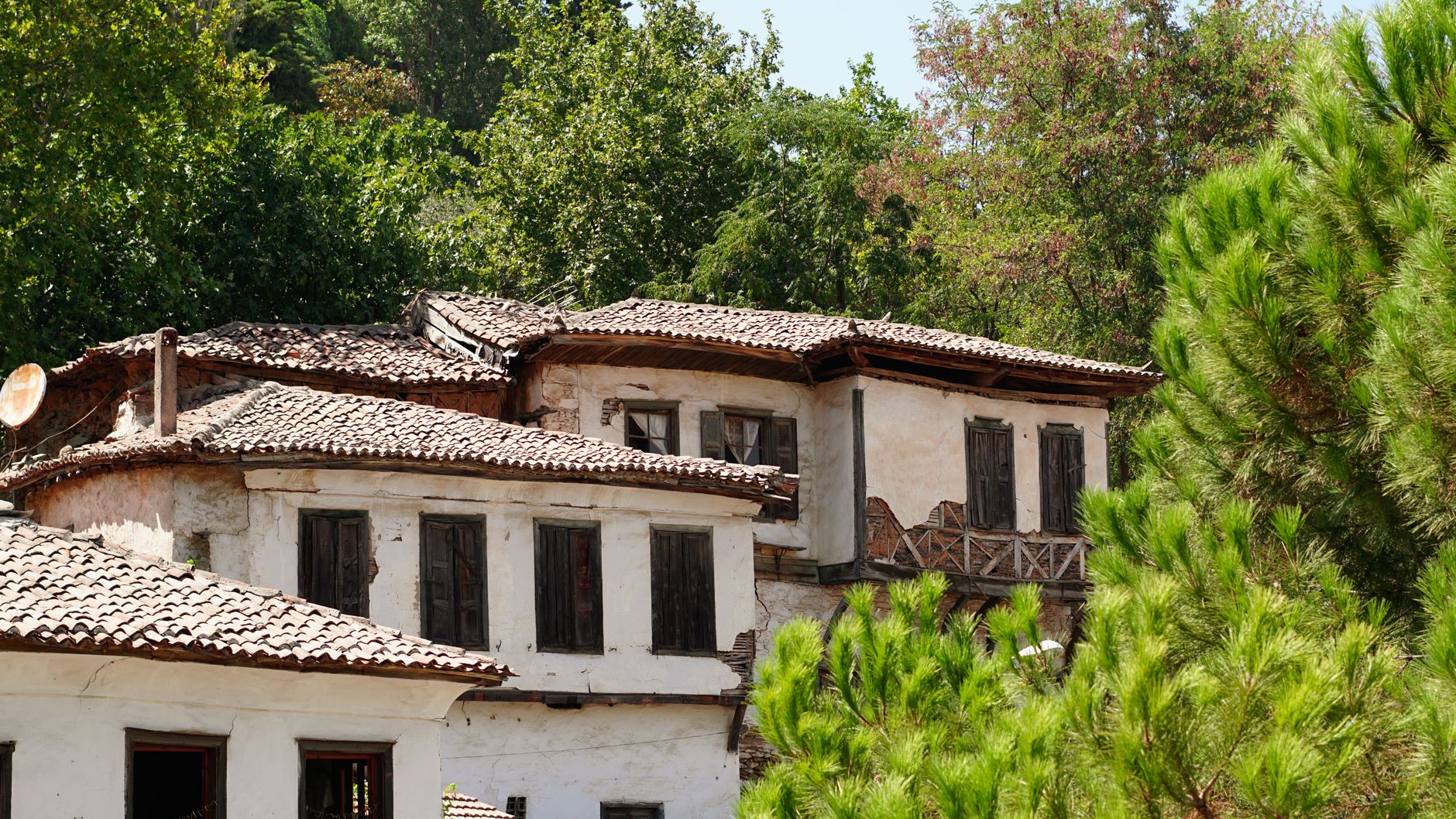
Söğüt, where the Ottoman story began, is rough around the edges but alive with textures: cracked plaster, ancient cedar doors, and the uneven cobbles beneath my feet. At the Ertuğrul Gazi Tomb, the amber light of late afternoon filtered through the tall trees, illuminating carved stone details with a warm glow. The sunlight’s angle revealed patterns hidden in plain sight—petals of stone flowers, old iron nails in wooden beams, and the subtle carving of inscriptions on weathered plaques. That interplay of light and shadow held my focus more than the historical narratives plastered on signs.
The site’s open ground gathered families and locals; their quiet conversations hovered just beneath the noise of birdsong. I caught a candid shot of an elderly man sitting on a bench, his face lit by a late sunbeam, his eyes closed, as if immersed in memories not his own. These moments—the human microcosms within heritage sites—often resist the bluntness of guidebooks but offer rich layers for photography and reflection.

Sharp lines and soft horizons at Bilecik
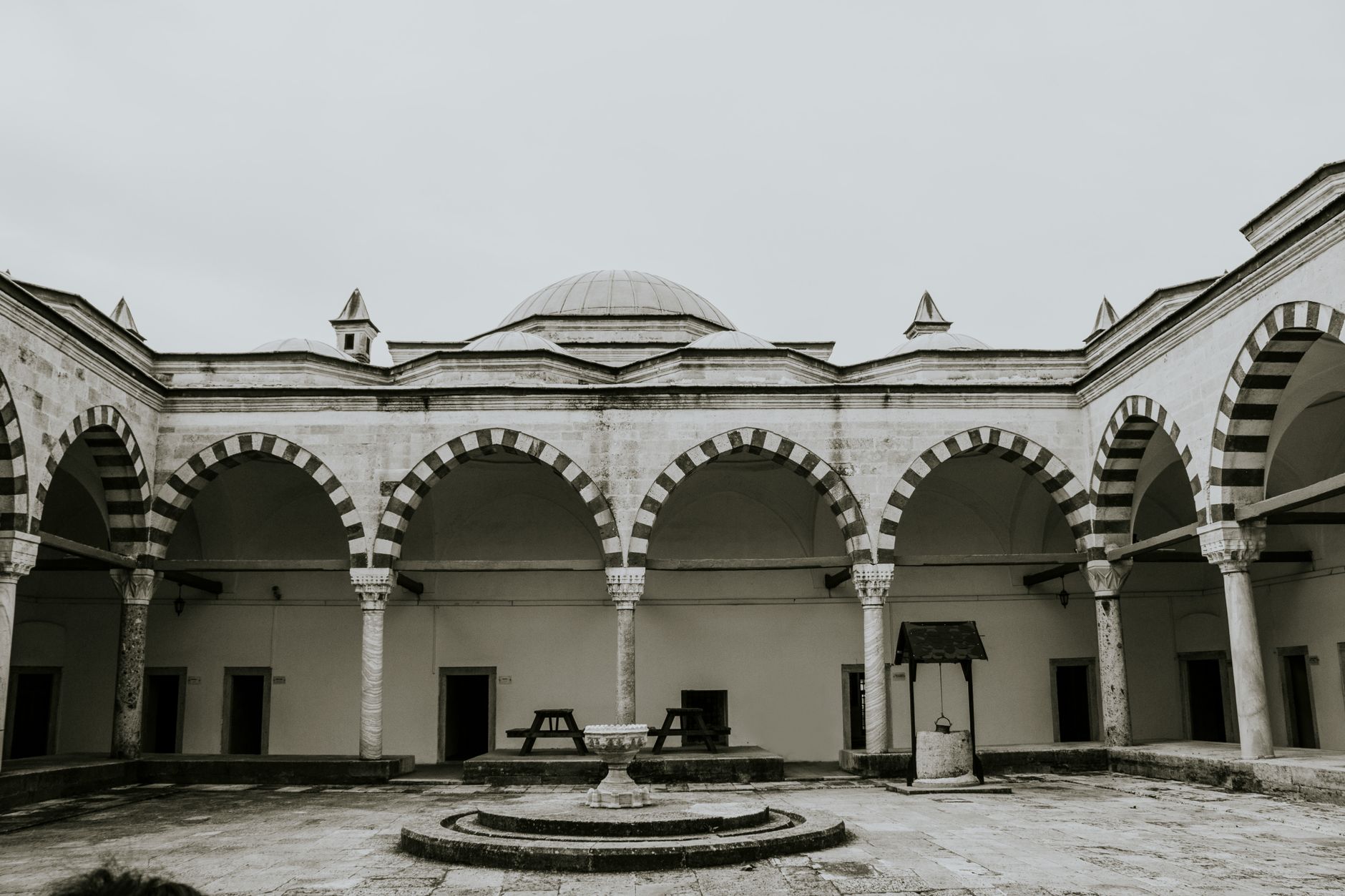
Heading to Bilecik in late afternoon, the light softened, shadows lengthened, and the sky turned pale pink. The Ottoman Museum demanded deliberate framing—its sharp edges contrasted with the organic shapes of surrounding trees and distant hills. Using a polarizing filter helped tame reflections on glass display cases and accentuate the subtle colors of textiles and manuscripts inside.
Bilecik’s streets seemed calmer than Söğüt’s, inviting lingering. I wandered through the open-air markets, where fresh apricots spilled from baskets, their orange hues intensified by the amber hour. Street vendors chatted near old mosques where the call to prayer echoed with a particular resonance in the still air. The scent of freshly baked simit mingled with faint traces of pine from nearby forests, crafting an olfactory backdrop to the visual landscape. Capturing this sensory blend required patience—waiting for the right natural light, the perfect alignment of passerby, and a fading breeze to move hanging fabrics.
Evenings here grow crisp early in autumn; I brought a light jacket and adjusted ISO to keep the exposures sharp at slower shutter speeds around 1/50, balancing sharp travel narratives against gently dimming light.
Rainy day backup plan: Bilecik museums and local cafes
Should rain arrive uninvited, it’s easy to shift indoors without losing the atmosphere. The Bilecik Museum, with its modest but carefully curated Ottoman artifacts, offers tangible glimpses of daily life from centuries ago. Large windows provide soft natural light ideal for detail shots of intricate embroidery and calligraphy. Nearby, cozy cafes along İstasyon Street serve thick Turkish coffee, their interiors rich with wood and soft warm lighting—great for intimate portraits or macro photography of the swirling coffee foam and copper cezves.
On a damp day, I watched locals play backgammon beneath awnings, their laughter a steady hum as rain pattered softly on cobblestones. The best photo here isn’t always the landmark; it’s the layer of life weaving through community spaces.
Quick tips for your visit
- Best photo window: Arrive in Söğüt before 8 a.m. or catch the last hour of daylight at either location.
- Timing crowds: Midday brings local visitors in waves, especially on weekends. Weekday mornings and late afternoons are quieter.
Exploring Bilecik and Söğüt as daylight shifts reveals a dynamic narrative, told in stone, wood, and faces. For photographers chasing the faint glow of Ottoman beginnings just an hour from Istanbul’s noise, these towns reward patience and curiosity. Each shot captured in the golden hour holds more than architecture—it carries whispers of lives layered beneath the surface.