Your Detailed Guide to Istanbul's Asian Side: What to Know Before You Go
What you need to know upfront: Taking the ferry from the European side to the Asian side of Istanbul isn’t just a way across the Bosphorus; it’s often the fastest and cheapest route and probably the best way to begin your visit. Avoid taxis around Kadıköy and Üsküdar unless you’re in a hurry and have cash to spare—traffic jams are common and fares can climb quickly.
Getting to the Asian Side: Efficient and Affordable
Most visitors reach Istanbul’s Asian side via ferry from Eminönü or Karaköy. A single ferry ride costs 15 Turkish Lira (around 1 USD), payable with the Istanbulkart public transport card, which you should get immediately if you plan to move around. The ferry ride itself takes about 20 to 30 minutes and offers a better view of the city than any bridge crossing. If you're pressed for time, the Marmaray train connects Europe and Asia under the Bosphorus, but keep in mind, the train stations are farther away from the fun parts of Kadıköy and Üsküdar than the ferry docks.
Once you land, the neighborhoods of Kadıköy and Üsküdar are the main hubs. From there, buses, minibuses (dolmuş), and the metro can take you further east. Keep your Istanbulkart topped up; single rides on buses or metros cost between 7 to 10 Turkish Lira depending on distance.

What You Actually Pay for Food and Drinks
Food around Kadıköy is surprisingly wallet-friendly compared to the European side. A standard çay (Turkish tea) costs about 3 TL (20 cents), and a solid simit (Turkish bagel covered in sesame seeds) goes for roughly 5 TL. For something more substantial, head toward the market area on Söğütlüçeşme street. I have often grabbed a full döner sandwich for under 20 TL (approximately $1.25), which filled me up for hours. Avoid restaurants directly on the waterfront promenade near the ferry docks in Üsküdar — prices there can easily double with little extra to show for it in quality or portion.
One thing I learned after several visits: The fish sandwich (balık ekmek) vendors right by the ferry docks are tourist traps, especially on weekends — overpriced and not very fresh. Walk just a few blocks away and you’ll find better options at half the price.
Observations on Popular Attractions and What to Skip
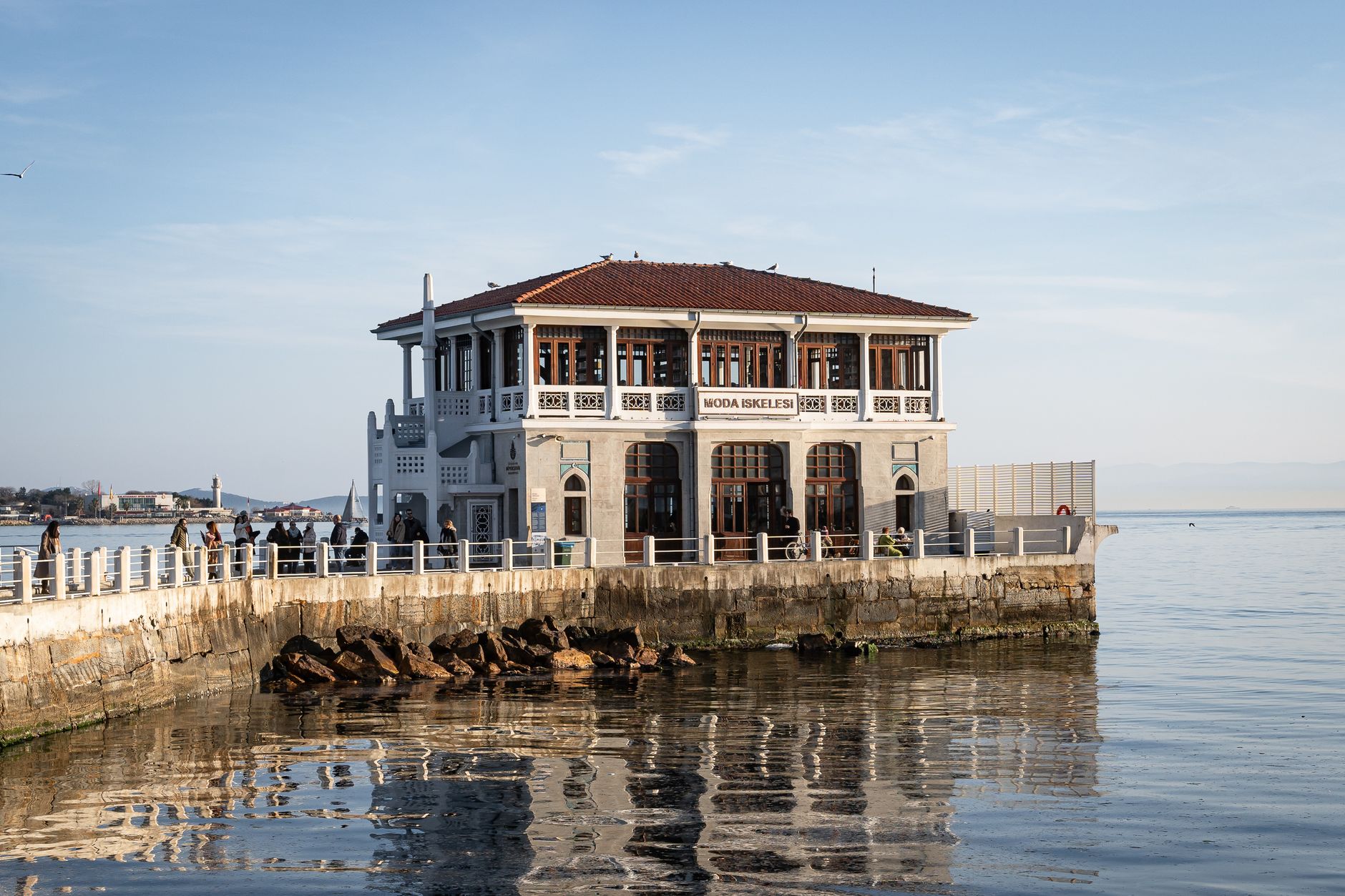
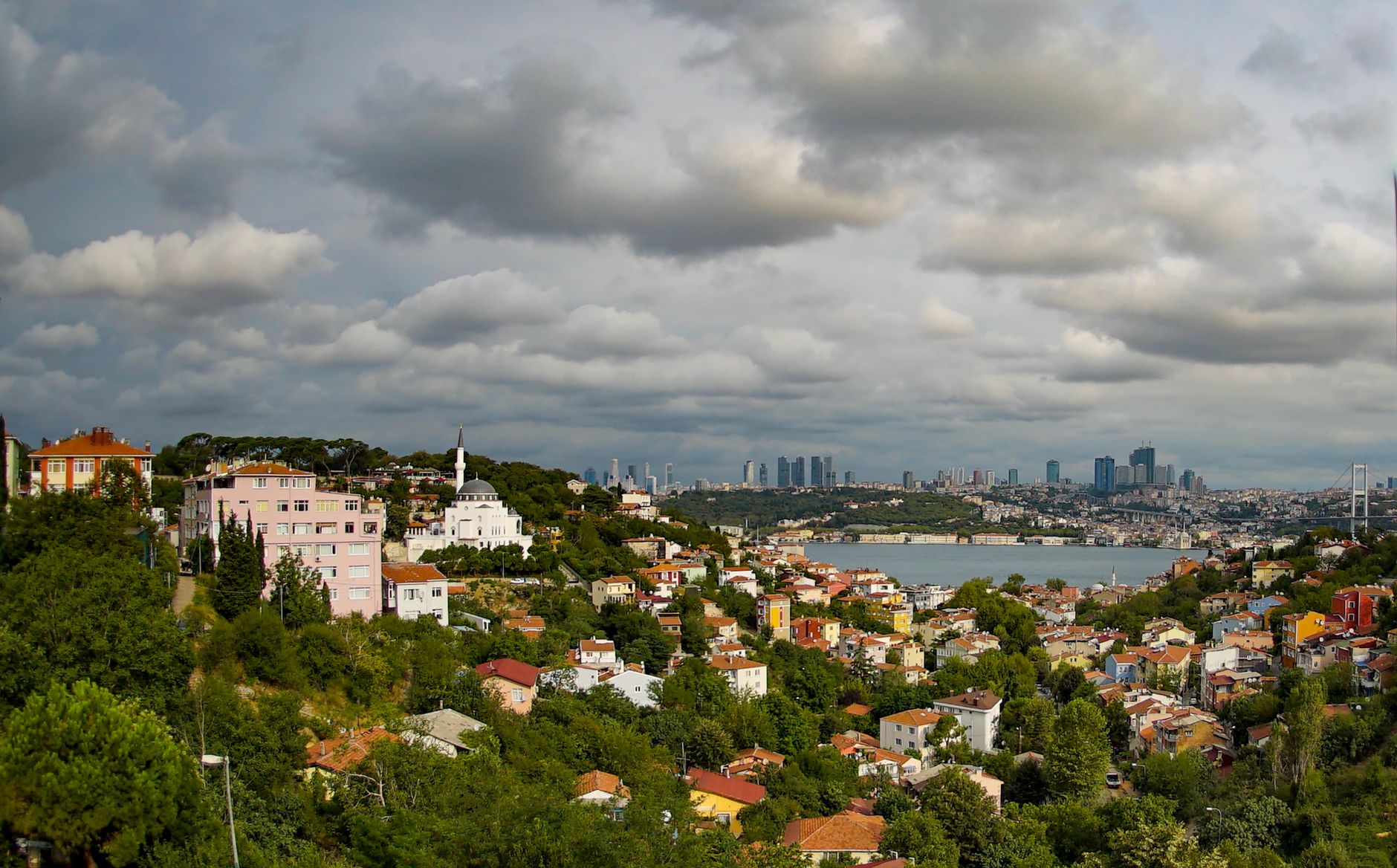
Çamlıca Hill offers views over the city and is an easy trip from Üsküdar. It’s accessible by bus for about 5-7 TL, but be prepared for crowds and limited facilities. If you’re not interested in a packed hilltop with selfie sticks everywhere, there are quieter parks in the area. I’d suggest exploring Moda neighborhood in Kadıköy for a more laid-back atmosphere, cafes, and independent shops. It’s a good spot to hang for a few hours without the tourist hordes.
Also, the Maiden’s Tower (Kız Kulesi), just off Üsküdar’s coast, is a frequently mentioned highlight but overhyped and expensive to visit — ferry to the island and a coffee can cost upwards of 70 TL per person. Unless you really want the photo, you can admire it from the shore and save your money.
Shopping-wise, Kadıköy’s market streets focus on food, clothes, and household goods rather than souvenirs. If you want artisanal crafts, head to the Ottoman-era veiled ladies shops on Bahariye Street, where prices are better and interactions more genuine than tourist areas of Sultanahmet.
Reliably Transporting Yourself Around: Tools and Tips
While taxis work, I strongly recommend Istanbulkart-equipped public transit. Kadıköy and Üsküdar metro stations connect various lines, and bus routes cover most neighborhoods. Use apps like Trafi or Moovit to see real-time schedules. Avoid peak hours (8-10am and 5-7pm) when buses and ferries get crowded.
On foot, the Asian shore’s main streets are manageable but expect some hills. Comfortable shoes and light layers are wise. For longer distances, a bike rental can be a practical option, though bike lanes are spotty.
One Honest Thing I Wish I Knew Earlier
I used to think the Asian side was just a calm residential extension of Istanbul. It’s far more dynamic and local-oriented than the European side, but services (English signage, staff's English proficiency) are less consistent, so plan accordingly. Download offline maps and have your destination written in Turkish. Also, some neighborhood shops close by mid-afternoon on Sundays, so if you’re there on a weekend, plan your food and essentials stops accordingly.
In summary, Istanbul’s Asian side is easy to reach, affordable, and less tourist-packed, but you’ll need to take some time to understand local transit and neighborhoods to get the best experience. Keep Istanbulkart handy, cross the Bosphorus by ferry to save time and money, and watch out for overpriced tourist traps around the ferry terminals.