A Day in Agva: More than Just a Getaway from Istanbul
On one of the cooler spring mornings, my group and I boarded the minibus from Istanbul’s Harem bus terminal. As we bumped along the winding roads toward the Black Sea coast, I couldn’t help but reflect on how Agva never quite fits the usual tourist itinerary. Yet its quaint streets, fishing boats, and riverside cafés always manage to capture attention in the calmest way. I remember the puzzled looks some of my guests gave when I suggested we spend the day walking along the Göksu River; a few hours later, most were reluctant to leave.
Rivers, Boats, and Stories: Agva’s Personality Comes Alive
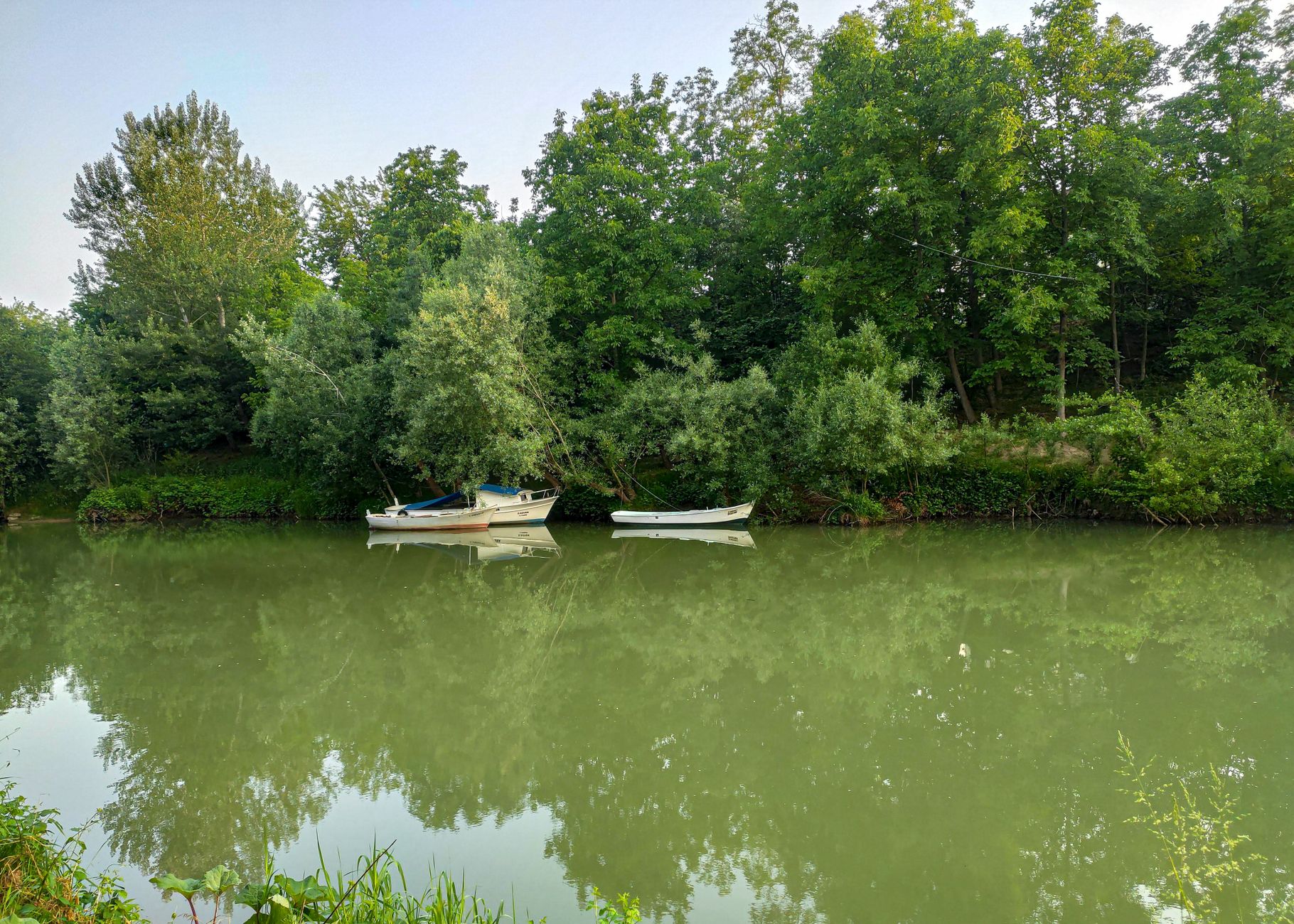
The village sits between two rivers, the Göksu and Yeşilçay, whose merging paths offer a unique landscape. The rivers are not just watercourses—they shape the town’s rhythm. On past visits, I’ve watched fishermen patiently casting nets from wooden boats that look as if they’ve come straight out of an old maritime fiction. The slow current harmonizes with the sounds of gulls and the occasional chatter from riverside patrons sipping Turkish tea from tulip glasses.
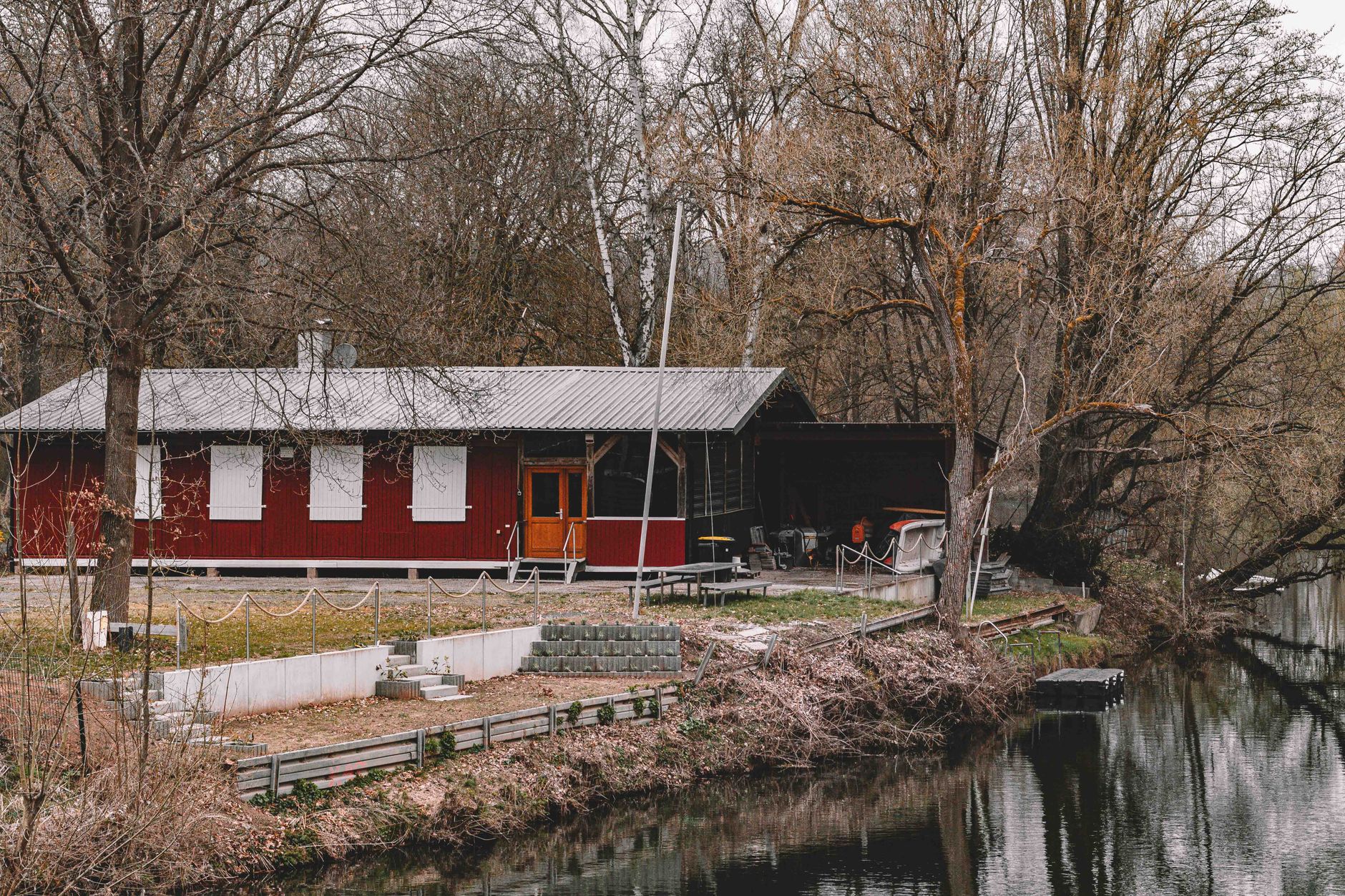
Agva’s history as a fishing and boat-building village clings to its architecture. Wooden houses with red-tiled roofs line narrow streets, some bearing faded Ottoman-era inscriptions. One structure, an old boathouse turned café, has kept the original timber beams intact — a detail I always point out because when you sip your çay there, you’re seated beneath centuries of local craft.
The Road Less Taken: Navigating Agva’s Streets and Secrets
You won’t find big hotels or flashy nightclubs here, and that’s part of the charm. Instead, small pensions and family-run guesthouses host a steady stream of weekend visitors. When I’m guiding private groups, I like to steer clear of the main road that runs parallel to the coastline, hopping instead onto narrow alleys where locals sell homemade jams, freshly baked pastries, and handwoven textiles.
A memorable experience from my last tour was encountering an elderly couple who opened their garden for customers to pick fresh herbs like mint and oregano. The woman, a lively character with a contagious laugh, told stories that tied their tiny cabin back to early 20th-century fishermen’s families, keeping traditions alive despite modern tourism creeping in. It’s these personal touches, more than monuments or museums, that tell Agva’s real story.
Time Your Visit: The Quiet Hours and When Curiosity Peaks
Agva receives its highest summertime crowds in July and August, largely Turkish families escaping city heat. I recommend the shoulder seasons—April to mid-June or late September through October—when the air is cooler, the riverbanks less crowded, and the fish markets buzz with early morning activity. Returning in those months often means enjoying the curious phenomenon of watching sunrises over the sea while fog lifts off the rivers.
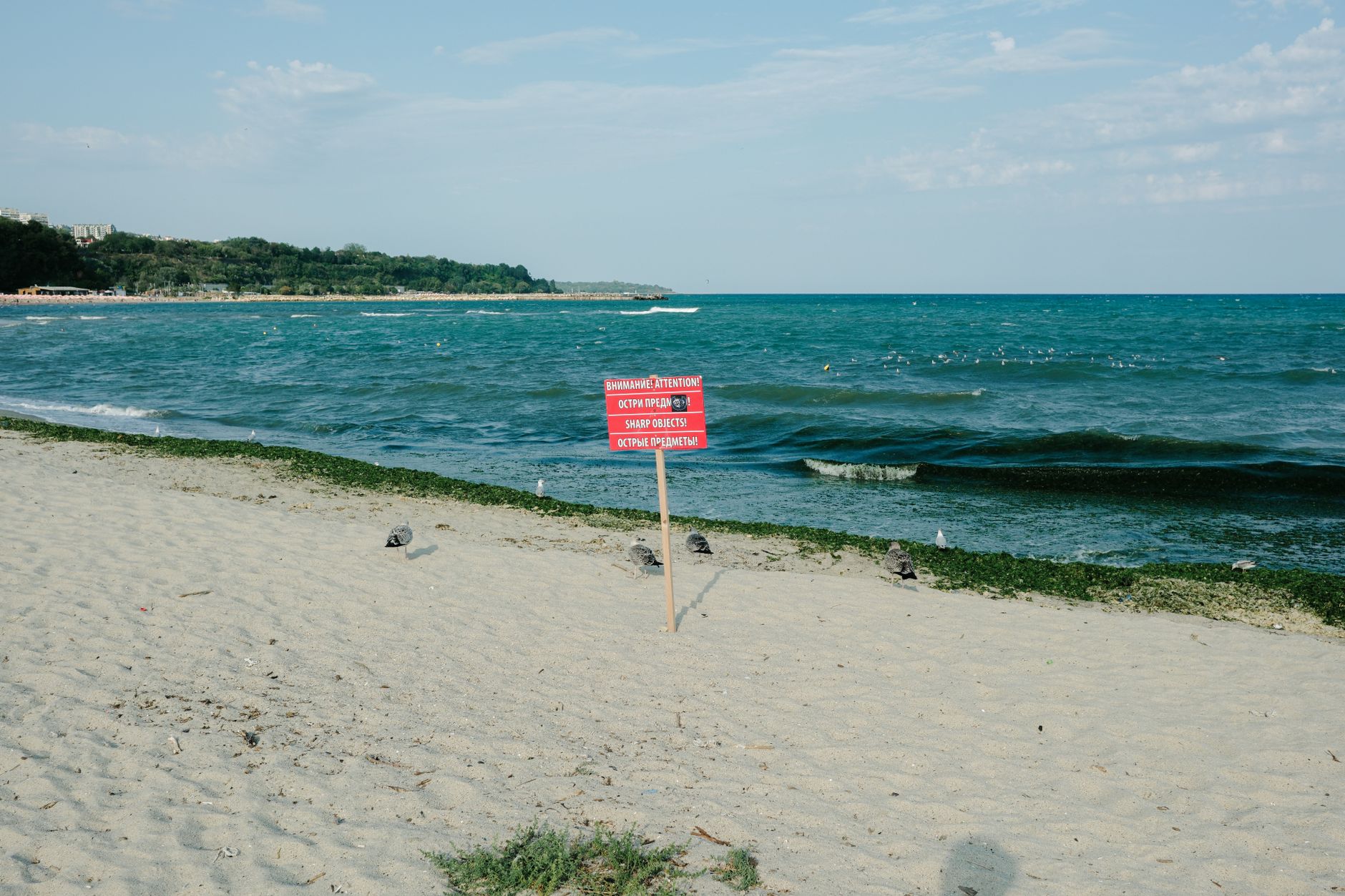
On several occasions, I’ve convinced groups to wake early to walk along the beach just before dawn. It’s not cinematic in the Hollywood sense but feeling the cold sand underfoot while fishermen ready their nets from small boats creates a kind of unspoken connection with those who have lived here for generations. Plus, if you’re hungry, the nearby stalls sell börek and simit that fuel the morning perfectly.
Evenings, meanwhile, offer a more languid tempo. Locals gather in open-air taverns along the coast where fresh seafood—especially anchovies and mussels—is grilled over charcoal. One time, I joined an impromptu guitar sing-along that erupted after sunset, invited by a group who’d just met me during a riverside stroll. That’s the kind of unplanned moment that stays with visitors long after the trip.
Practicalities and Pointers From a Seasoned Guide
The easiest way to get to Agva from Istanbul is by minibus from Harem or via a car rental for those who prefer a more flexible schedule. The trip usually takes around two hours, depending on traffic. The minibus costs roughly 45-60 Turkish Lira, a modest price for the route and comfort level if you pick a mid-size van.
Accommodations range from simple pensions charging around 150-250 TL per night to a few boutique spots with waterfront views that can climb above 600 TL. If you plan to stay overnight, advance booking during high season is advised—even small places fill up quickly.
Agva’s local markets open early, especially on weekends, and are the best place to buy fresh produce, regional cheeses, and handmade crafts. If you want to capture a photo of the iconic wooden fishing boats, sunrise or late afternoon light works wonders. Just be polite when approaching the fishermen—many are happy to chat, but some prefer to keep to their work.
In sum, Agva is not about ticking off landmarks but about sensing the slow pace of coastal village life with its quirks and rhythms. I have led tours here during every season, and each visit brings unexpected stories, like the time a local musician invited us to the town’s small community center during a mid-autumn festival. Those moments are why I come back.