Abant Lake Nature Park: A Slow Day by the Water
A slower morning
There is a particular silence that arrives before the sun burns the cold off the lake; it is neither absolute nor empty, but full of small sounds — the quiet clink of a bicycle bell, the soft puff of a dog’s breath, the distant clatter of a tea glass on a saucer — and on one of those mornings I remembered again why Abant Lake Nature Park sits on so many weekend maps for people leaving Istanbul for the day. I left early from the Kadıköy ferry terminal, took the TEM (O-4) east until the D-100, and after the last stretch along the narrow, tree-lined Abant Yolu I found the car park at the main entrance nearly empty. The gate opens around 08:00 in summer and around 08:30 in winter; when I paid the entrance fee (about 20 TL for adults in the season I visited, with vehicle parking roughly 15 TL) I was given a handwritten slip and a smile from the attendant who had already poured a cup of strong black tea.
The first walk is never rushed. I followed the path that skirts the edge of the water, shoes softening on the pine-needle carpet, and noted the casual architecture of the small kiosks — wooden counters with handwritten menus listing simit and menemen, hot soups for colder days, and a full tray of little pastries the stall owner warmed in a cast-iron pan. A family unpacked a thermos on a bench, an elderly man fed breadcrumbs to a pair of mute swans as if he were tending an old argument between them, and a young couple argued cheerfully about which turn to take as if the lake were a maze with pleasantly imprecise rules. It is the kind of place where people behave as if they have time to misplace a plan and then find it again over tea.

Paths and small discoveries
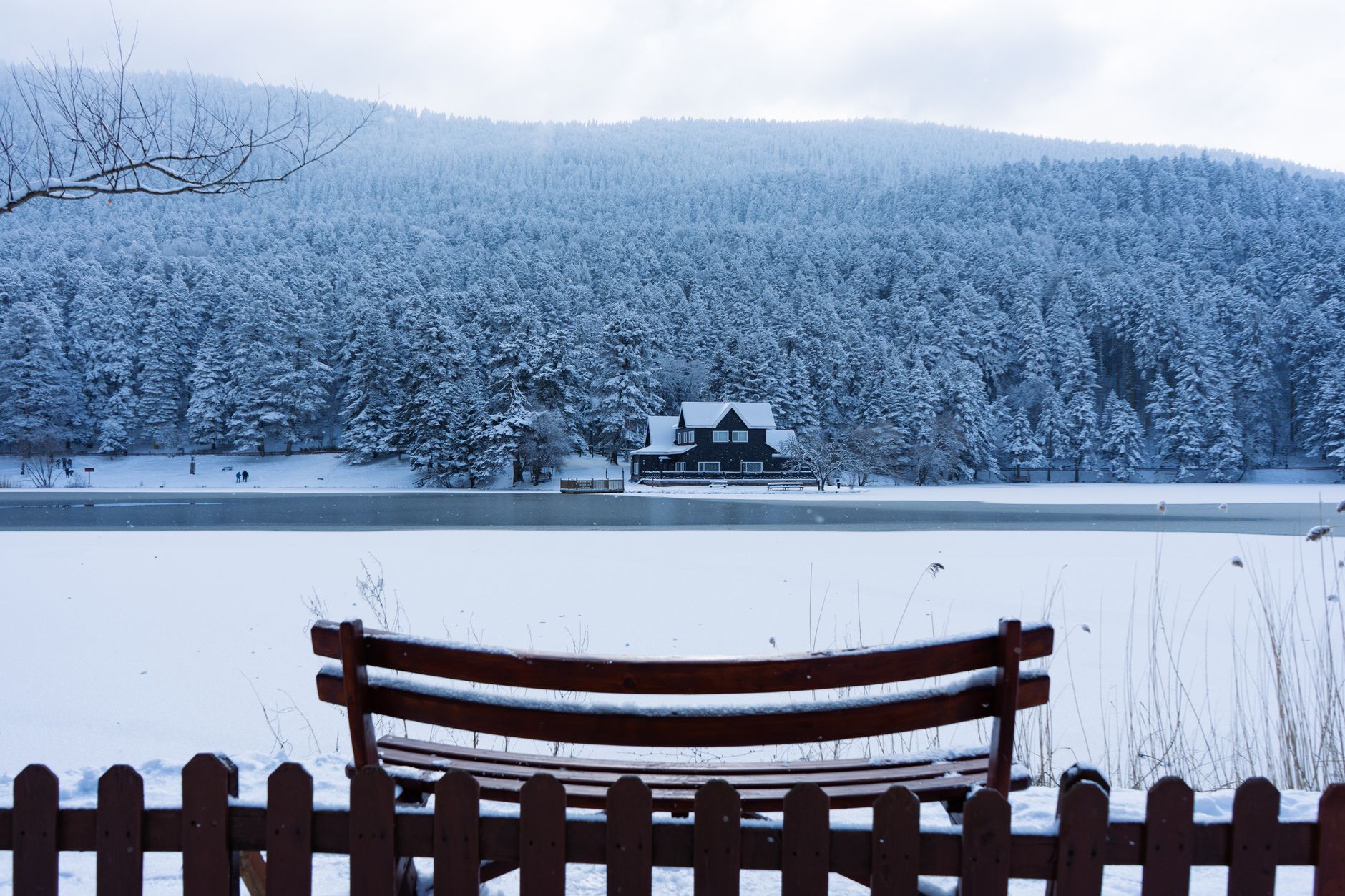
There are marked walking trails around the lake; the main loop is about 7 kilometres and moves from broad lakeside promenades into narrower, root-tangled tracks beneath firs and beeches. I left the main promenade to follow a thinner trail that ran closer to the water, where the light came through in pale ribbons and the air tasted faintly of wet leaves. Halfway along I paused at a little wooden pier where a boy had tied a simple rowboat and was attempting to teach his grandmother how to push off without splashing her best shoes; they laughed, and the grandmother pretended indignation while the boy adjusted the rope. Nearby, a man in a green coat was sketching the same scene with a mechanical pencil, annotating his page as if the lake would agree to keep the pose until he finished.
The boat hire near the main car park will typically set you back around 25 TL for thirty minutes in summer; some operators will accept a higher fee for a guided lap around the narrow arms of the lake, and in quieter months you can sometimes barter a private row by offering to buy the boatman a strong coffee from the café on Göl Yolu. If you prefer to stay on land, the wooden benches around the east side make for excellent people-watching: schoolchildren trade crisp sandwiches for stories of exams, an elderly pair recall the names of trees in low, correct voices, and a cyclist who has been on the road since dawn reads a well-thumbed book as if pausing only to refuel his soul.
Lunch and the slow art of choosing a table
By midday the small restaurants and tea houses along the lake begin to fill, not with the hurried clatter of a dining hall but in a way that resembles a village lunch where everyone knows someone else’s name. I took a table at a lakeside restoran that advertises fresh trout on a hand-painted board; the trout came simply grilled with a wedge of lemon and a side of bulgur pilav, and cost around 75-90 TL depending on portion size. The proprietor — an amiable woman who had once worked a few seasons in Istanbul and liked to compare city coffee to the thick, slow tea here — brought a salad that was crunchy in the best possible way and a piece of walnut cake to finish. She set a fresh napkin and told me, without asking, the exact minute the light would find the table where I sat in late afternoon, as someone who keeps clocks by the leaves.
There is an economy to the day that is quietly practical: park gates close earlier in the low season, the boatmen tidy their ropes at a predictable hour, and the family-run kiosks close when the last regular leaves for town. I learned, too, that the small tourist office by the main entrance keeps a list of recommended local guides — a polite, low-pressure approach that can arrange a walking route with someone who will tell you the name of a mushroom, the history of an old bridge on the Mudurnu road, or where to find the best simit near the car park. The office hours are usually 09:00–17:00; on national holidays they extend service slightly, but check the printed notice on the gate in case of sudden weather changes or temporary closures.

Afternoon light and the lake's manners
Afternoons at Abant take on a different temperament. The water calms; the breeze that had been playful becomes more sentimental, moving leaves like slow applause. I found a bench at the western point and watched as a single swan traced the edge of reeds, leaving a wake that undid itself almost immediately. A group of birdwatchers set up a telescope and passed the device among themselves, murmuring at the appearance of a heron and the distant strobing of a kingfisher. Someone nearby practiced a small bit of music on an accordion, which sounded like a conversation between two pines. It is impossible to describe the light without sounding like an ad; instead I will say that lunch left a comfortable impression and that the lake seemed pleased to let small details rise to the surface: a line of orange leaves, a child's red umbrella forgotten for a few minutes on a bench, the embroidered pattern on a fishing hat.
What stays with you
When I left, the drive back along the D-100 felt longer than the way there, as if the road were giving me a slow, deliberate farewell. I had, by then, learned a few practical things: bring cash (some stalls don’t accept cards), a lightweight waterproof if the forecast is uncertain, and shoes that can handle both promenade and root-strewn trails. I returned the afternoon with a small paper bag of kurabiye I had bought at the kiosk — a token for the driver and a reminder that the day had not been hurried. At the tolls back toward Istanbul I thought of the woman at the lakeside who had quietly noted the minute when the light would reach my table; small, sensible kindnesses like that are the sort of souvenir Abant hands out generously.